


 Deutsch
  English (UK)
  Русский
  العربية
  日本語
日本語  한국어
한국어  Magyar
  Türkçe
  Español
  Čeština
  Svenska
  Português
  Ελληνικά
  Suomi
Suomi  Nederlands
  Română
  Italiano
  Français
  Polski
  Українська
  简体中文
简体中文  Slovenčina
 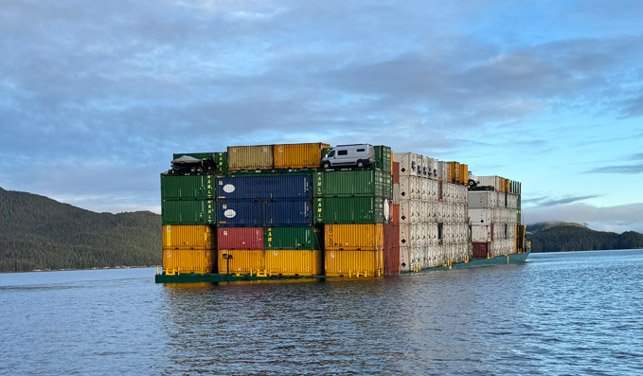 Cargo Barge Suffers Damage and Flooding off the Coast of Vancouver – What It Means for Maritime Logistics">

Incident Overview: Cargo Barge Compromised near Vancouver
Recently, a cargo barge operating north of Vancouver encountered significant structural damage, leading to water ingress that threatens its stability and onboard cargo. Incidents like this underscore the vulnerability of maritime transport assets and the complex challenges logistics professionals face when moving goods across waterways.
How Barges Are Vulnerable Yet Vital in Cargo Transport
Barges serve as indispensable workhorses in freight movement, especially in coastal and riverine regions where road or rail access is limited. These flat-bottom vessels carry diverse cargo—everything from containers and heavy machinery to bulk commodities.
However, their reliance on hull integrity and suitability for various water conditions means damage can quickly escalate into operational crises, causing delays, cargo losses, and environmental risks. The recent Vancouver barge incident has highlighted these concerns.
The Incident’s Potential Ripple Effects on Logistics
When a barge sustains damage and takes on water, the immediate impact extends beyond just the vessel itself. For one, cargo delivery timetables can be severely disrupted, resulting in chain reactions across supply networks. Delays impact distribution schedules, warehouse inventories, and downstream operations dependent on timely freight arrivals.
Additionally, emergency response and salvage operations may require mobilization of specialized marine equipment and personnel, potentially diverting resources from other logistics activities. Ultimately, this affects the efficiency and cost-effectiveness of cargo forwarding and haulage in the region.
Table 1: Common Cargo Barge Damage Impacts on Logistics
| Impact Type | Beschreibung | Logistische Auswirkung |
|---|---|---|
| Delay in Delivery | Water ingress can cause unloading delays or rerouting. | Disrupts supply chains, increases lead times. |
| Cargo Damage | Exposure to water or instability risks damage. | Leads to replacement costs, claims processing, loss of customer trust. |
| Increased Operational Costs | Salvage, repair, and auxiliary transport add expenses. | Raises freight and insurance costs, impacting pricing. |
| Umweltaspekte | Risk of fuel or hazardous material spills. | Triggers regulatory actions and cleanup liabilities. |
Key Challenges in Cargo Barge Shipping
Maritime cargo handling, especially on barges, balances efficiency and risk. These vessels are often employed in locations where shore-based infrastructure might be minimal or non-existent, relying on versatile loading and unloading methods ranging from vertical cranes to floating docks.
The logistical charm of barges lies in their ability to move large volumes of freight without requiring extensive port facilities. However, their operational conditions—narrow waterways, exposure to rough weather, and the challenge of maintaining hull integrity under repeated stress—make safety and maintenance paramount concerns.
Noteworthy Points on Barge Logistics
- Barge versatility: They operate effectively on rivers, coastal areas, and ports with limited infrastructure.
- Loading methods: Some barges enable roll-on/roll-off of vehicles or are lifted aboard barge-carrying ships via gantry cranes or submersion gates.
- Risk factors: Aging fleet components and environmental elements can exacerbate vulnerability to leaks or damage.
- Role in integrated logistics: Barges often serve as crucial links in multimodal freight chains, connecting rail, road, and ocean freight segments.
Practical Solutions and Transport Alternatives
When a barge goes down—or even starts taking on water—logistics coordinators must quickly deploy contingency plans involving reassignment of cargo, expedited delivery via alternative routes, or chartering different transport vessels. In this way, maintaining supply chain fluidity demands adaptive strategies and access to reliable global freight options.
This is where platforms like GetTransport.com shine. With its extensive network of transport service providers worldwide, it offers users the ability to swiftly switch between modes and carriers, arranging timely shipments for office or home moves, furniture, vehicles, or bulky items—helping sidestep bottlenecks created by maritime incidents.
Table 2: Transport Alternatives When Barge Service Is Compromised
| Modus | Vorteile | Cons |
|---|---|---|
| Roll-on/Roll-off Ships | Efficient for wheeled cargo; fast loading/unloading. | Limited to vehicles and similar freight. |
| Container Ships | Versatile cargo types; secure with minimal handling. | Require major port infrastructure and longer schedules. |
| Truck Haulage | Flexible routes; door-to-door service. | Higher costs for long distances; road limitations. |
| Schienengüterverkehr | Cost-effective for bulk and containerized goods. | Limited by fixed track routes and loading facilities. |
Why Staying Updated on Maritime Incidents Matters for Logistics
Though a damaged cargo barge off Vancouver might feel like a local hiccup on the world transport radar, it’s a perfect example of why staying ahead of such news is crucial. Even minor incidents can chains together delays and affect shipments across vast distribution networks. For operators or businesses handling freight, being plugged into updates helps plan ahead and adjust delivery routes or timelines, preventing costly surprises.
Wenn es um die Planung robuster Logistikoperationen geht, kann kein Bericht oder keine Überprüfung die eindringliche Erfahrung einer reibungslosen, erschwinglichen und stressfreien Frachttransportation ersetzen. Die Nutzung von Dienstleistungen wie GetTransport.com bietet nicht nur Zugang zu den besten Preisen weltweit, sondern auch Transparenz und Komfort – unerlässlich, um intelligente Transportentscheidungen zu treffen, ohne die Bank zu sprengen oder unerwartete Rückschläge zu erleiden. Buchen Sie Ihre Fahrt mit GetTransport.com und Verzögerungen vermeiden!
Abschließende Gedanken: Die komplexen Gewässer der Frachtbargenlogistik meistern
Der Fall des Frachtkargos, das nördlich von Vancouver Wasser aufgenommen hat, dient als eine rechtzeitige Erinnerung daran, wie fragil und doch kritisch der maritime Frachttransport sein kann. Kargos sind zwar äußerst vielseitig und unerlässlich für den Transport von sperrigen oder spezialisierten Gütern, bergen aber inhärente Risiken, die sich wie Wellen durch Lieferketten ziehen und Verzögerungen sowie Mehrkosten auslösen können.
Logistikfachleute und Spediteure müssen wachsam bleiben und mit alternativen Transportmöglichkeiten gerüstet sein, die von Containerschiffen bis hin zu Straßentransport und Schienenverkehr reichen. In diesem komplexen Zusammenspiel von Frachttransport und Distribution entstehen Plattformen wie GetTransport.com als zuverlässige Partner, die die Versandvereinbarungen vereinfachen, sei es für Hausumzüge, Fahrzeugtransport oder den Versand von Großfracht.
Da sich die globalen Frachtdynamiken zunehmend verkomplizieren, ist die Nutzung flexibler und kostengünstiger Transportnetzwerke der Trumpf, den jeder in der Hand hat. Mit einer effizienten Plattform, die Nutzer zu weltweiten Frachttransportdiensten zu vernünftigen Preisen verbindet, kann der Weg der Fracht – von Palette bis Hafen, Container bis Kunde – mit Zuversicht und Leichtigkeit bewältigt werden.