


 Deutsch
  English (UK)
  Русский
  العربية
  日本語
日本語  한국어
한국어  Magyar
  Türkçe
  Español
  Čeština
  Svenska
  Português
  Ελληνικά
  Suomi
Suomi  Nederlands
  Română
  Italiano
  Français
  Polski
  Українська
  简体中文
简体中文  Slovenčina
 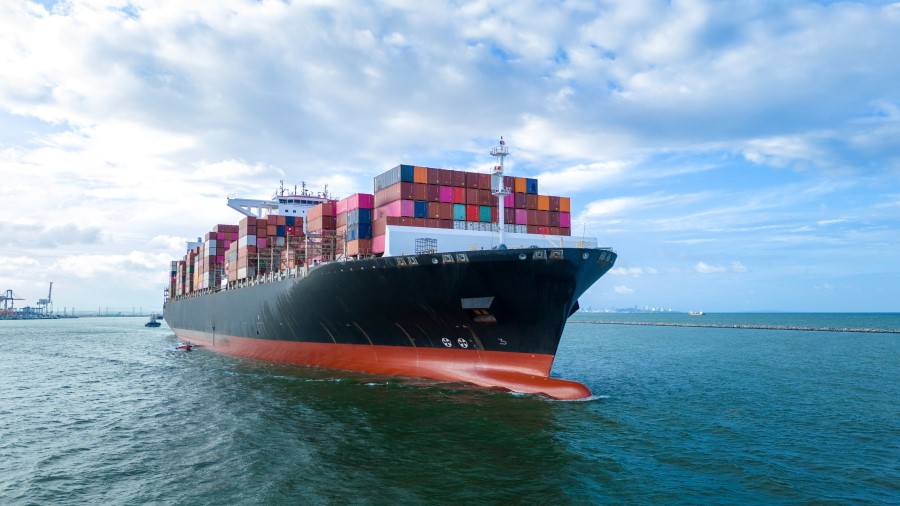 Understanding the Impact of U.S. Tariffs on Chinese Ownership in the Global Shipping Industry">

The Emerging Challenge: Defining Chinese Ownership in Shipping
The global shipping market is currently sailing through murky waters, shaken by the uncertainty surrounding what exactly counts as Chinese ownership of vessels amid newly imposed U.S. tariffs. This issue has become a billion-dollar puzzle that has operators, financiers, and legal experts scratching their heads from the Mediterranean ports of Athens to the bustling harbors of Hong Kong.
With the U.S. introducing sweeping tariffs in 2025, the definition of ownership now extends beyond blatant direct control. It drifts into the shadowy realm of indirect ties such as financing agreements and leasing arrangements involving Chinese entities. Essentially, the line between Chinese and non-Chinese ownership is no longer clear-cut, turning compliance into a high-stakes balancing act for shipping companies.
The Ripple Effects of U.S. Tariffs on Shipping Operations
The tariffs include a general 10% levy on most imports alongside targeted fees against vessels with any Chinese nexus. These measures don’t just aim at ships flagged or directly owned by Chinese firms; even vessels financed through Chinese leasing firms—regardless of where they were built—fall under scrutiny. Such expanded classifications have created a compliance labyrinth, compelling shipping companies to dig deep into ownership and financing details before each transaction.
One industry lawyer explained how this shift is forcing heightened due diligence. Companies now demand transparency regarding beneficial owners and financial backers, since any hidden Chinese connection could expose them to steep penalties.
Shipping Contracts in the Age of Tariffs: A New Playbook
The uncertainty around tariffs linked to Chinese ownership is stirring a transformation in how shipping contracts are drafted and negotiated. Traditional frameworks simply don’t cut it anymore when billions could be at stake due to tariff costs.
New contract clauses are becoming standard, including:
- Tariff indemnity clauses that shift financial responsibility for tariffs, often from seller to buyer in trade terms like CIF (Cost, Insurance, Freight) and DDP (Delivered Duty Paid).
- Price adjustment provisions that activate when tariffs surpass certain thresholds, allowing dynamic recalibration of contract prices.
- Renegotiation and exit clauses offering structured options to revisit or dissolve agreements if tariffs undermine the deal’s economic balance.
- Force majeure extensions specifically covering tariff increases, enabling suspension or termination without penalties.
Even contracts with FOB (Free on Board) terms, where buyers usually handle tariffs, now often include shared cost agreements and mandatory origin disclosures to manage risk more transparently.
Adapting Corporate Structures Amid Tariff Pressures
The tariff game isn’t just tweaking contracts; it’s prompting a deep structural rethink. Shipping companies are wrestling with the best strategies to sidestep or limit tariff exposure. This includes diversifying shipyards away from China to places like South Korea and Japan, as well as renegotiating or unwinding Chinese lease agreements whenever possible.
| Strategie | Beschreibung | Herausforderungen |
|---|---|---|
| Lease Renegotiation | Adjust existing Chinese lease contracts to exclude tariff liability. | Long-term obligations, early termination penalties, complex legal hurdles. |
| Fleet Diversification | Sourcing new vessels from non-Chinese shipyards. | Production delays, higher costs, logistical complexities. |
| Purchase Options | Exercise options to buy out leased vessels avoiding tariff fees. | Requires significant capital, impacts cash flow. |
These adjustments are often easier said than done. Lease arrangements with Chinese lessors tend to be deeply embedded, featuring stringent covenants and stiff penalties. Even ships built outside China but financed or operated by Chinese entities are caught in the web.
Insurance Markets Weigh In on Tariff-Related Risks
Insurers aren’t staying on the sidelines either. Insurance policies are evolving to cover the fallout from these new tariffs and trade-related disruptions. Enhanced trade disruption coverage now protects against losses from delays, supply chain breakdowns, sanctions, and infrastructural failures linked to tariff-induced challenges.
This insurance adaptation reflects a wider industry trend toward managing increasing regulatory uncertainty via risk-averse and flexible contractual mechanisms.
What This Means for the Logistics and Shipping Industry
The reshaping of shipping ownership norms and contract structures carries direct consequences for globale Logistik. Shipping companies, freight forwarders, and cargo movers must navigate these compliance waters carefully, or risk costly interruptions and financial exposure.
From a logistics perspective, the new tariff landscape underscores the importance of transparency, traceability, and adaptability in freight and shipment planning. Whether you are moving bulky machinery, vehicles, or delicate parcels, understanding the ownership and origin of vessels is critical—for compliance as well as cost management.
Effect on Global Supply Chains and Forwarding
These tariffs add layers of complexity to international distribution and haulage. For logistics providers, this means:
- Heightened scrutiny on shipping partners and carriers.
- Potential delays in delivery schedules due to additional compliance checks.
- Increased costs passed down the supply chain, especially for shipments linked to Chinese ownership.
- Necessity for agile contract terms and risk-sharing agreements across shipping and freight forwarding partnerships.
Reliability in supply chain logistics depends more than ever on knowing the full story behind every container, pallet, or parcel movement.
Key Takeaways and Final Thoughts
The maritime world is adjusting to a new reality defined by complex definitions of vessel ownership and steep tariffs aimed at Chinese-linked shipping. These developments not only affect shipowners and financiers but ripple down to impact global logistics, contract terms, and insurance structures.
Für Unternehmen, die in den Bereichen Fracht, Schifffahrt und Gütertransport tätig sind, ist die Botschaft klar: Gründliche Sorgfaltspflicht und vertragliche Schutzmaßnahmen sind jetzt unerlässlich. Strategische Flottenvielfalt und überarbeitete Leasingmodelle sind ebenfalls entscheidend, um Zöllen entgegenzuwirken und die Versandeffizienz aufrechtzuerhalten.
Erfahrung spricht lauter als Worte
Obwohl Berichte, Rechtsanalysen und Expertenbewertungen wertvolle Einblicke liefern, gibt es nichts, was der Erfahrung ebenbürtig ist. Die Abwicklung von Frachttransporten inmitten dynamischer regulatorischer Rahmenbedingungen erfordert Zuverlässigkeit, Kosteneffizienz und Komfort.
GetTransport.com bietet genau das — eine erschwingliche, globale Transportplattform, die sich hervorragend darin eignet, vielfältige Versandbedürfnisse zu verwalten. Ob Sie Ihr Büro oder Ihr Zuhause umziehen, sperrige Möbel, Fahrzeuge oder schwere Ladungen versenden, diese Plattform bietet Transparenz und umfangreiche Optionen, um jeder Logistikherausforderung gerecht zu werden.
Vorteile wie wettbewerbsfähige Preise und einfache Buchung befähigen Kunden, fundierte Entscheidungen zu treffen, ohne die Kopfschmerzen versteckter Kosten oder Compliance-Überraschungen. Im Labyrinth sich ändernder Handelsrichtlinien kann ein vertrauenswürdiger Logistikpartner den Unterschied ausmachen. Buchen Sie Ihre Fahrt unter GetTransport.com.
Blick nach vorn: Navigation der Logistik in einem sich verändernden Handelsumfeld
Ob die Komplexität von Zöllen und Eigentumsdefinitionen nicht über Nacht eine Revolution der Logistik auf der ganzen Welt auslösen wird, so sind sie doch sicherlich von Bedeutung für die Beteiligten im Zusammenhang mit Schiffen, die mit chinesischer Finanzierung oder Eigentum verbunden sind. Die Branche entwickelt ihre Compliance- und Vertragsrahmen rasch weiter und signalisiert damit eine Bewegung hin zu flexibleren und risikoscheueren Logistikoperationen.
Bei GetTransport.com gehört es zur Aufgabe, Entwicklungen wie diese im Auge zu behalten, um nahtlose und kostengünstige Versand-, Lagerungs- und Transportlösungen anzubieten. Planen Sie Ihre nächste Lieferung und sichern Sie Ihren Frachtgut mit Zuversicht, indem Sie auf die Bequemlichkeit und Zuverlässigkeit von GetTransport.com.
Zusammenfassung
Zusammenfassend haben die 2025 eingeführten US-Zölle ein weites Netz über die Schifffahrtsindustrie geworfen und chinesisches Eigentum zu einer komplizierten, kostspieligen Angelegenheit gemacht. Dies hat eine Welle neuer Vertragsklauseln, Verschiebungen in der Versicherungsschutzabdeckung und Restrukturierungsmaßnahmen ausgelöst, die darauf abzielen, Zölle zu mindern. Diese Änderungen haben spürbare Auswirkungen auf die Logistik – Spediteure, Frachtführer, Umzüge und Distributoren müssen sich auf eine verstärkte Prüfung und dynamische Verhandlungen einstellen.
Plattformen wie GetTransport.com bringen eine dringend benötigte Einfachheit und Erschwinglichkeit in diese komplexe Landschaft, indem sie zuverlässige Lösungen für den Frachttransport weltweit anbieten. Von der Bewegung schwerer Paletten bis zur Koordinierung internationaler Sendungen vereinfachen ihre Dienstleistungen sowohl den Versand von Fracht als auch Hausumzüge und meistern mit Effizienz und Transparenz die Herausforderungen dieses neuen Zolls.“