


 Deutsch
  English (UK)
  Русский
  العربية
  日本語
日本語  한국어
한국어  Magyar
  Türkçe
  Español
  Čeština
  Svenska
  Português
  Ελληνικά
  Suomi
Suomi  Nederlands
  Română
  Italiano
  Français
  Polski
  Українська
  简体中文
简体中文  Slovenčina
 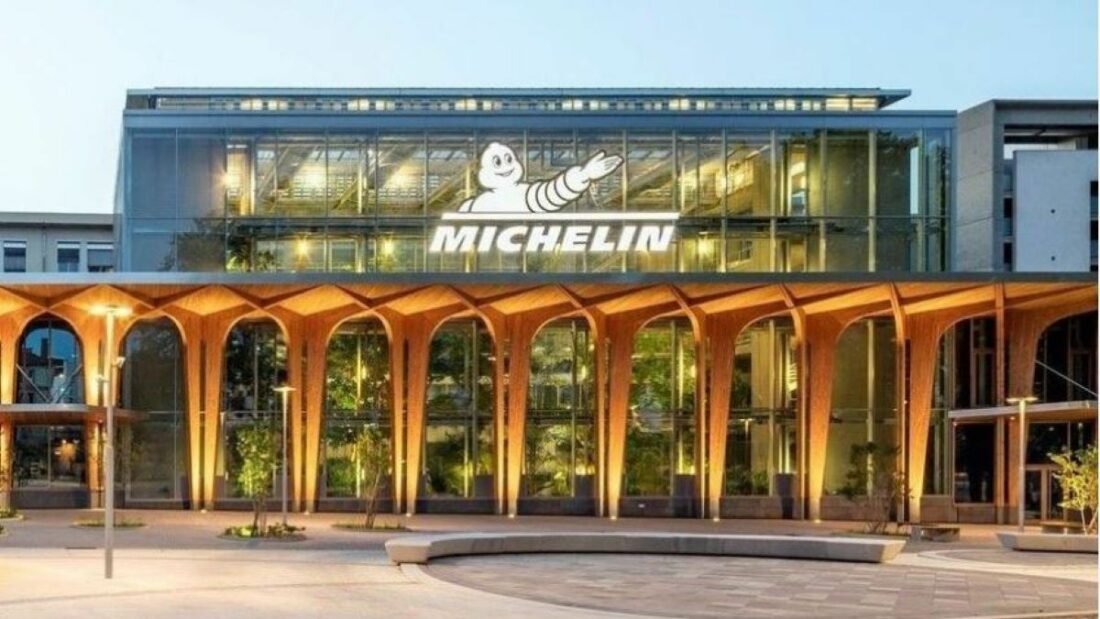 Michelin unterstützt die Euro 7-Emissionsrichtlinien und unterstreicht damit die Bedeutung von Reifenprüfungen unter realen Bedingungen">

The New Horizon: Euro 7 Regulation’s Environmental Push
Europe is turning up the dial on cleaner mobility with the introduction of the Euro 7 regulation in April 2024. This isn’t just another box-ticking exercise; it targets a less obvious but significant pollution source — tire wear emissions. For the first time, limits have been set on the particles released as tires degrade, a move fully backed by Michelin. It’s a game-changer for manufacturers who’ve been keeping an eye on environmental responsibility.
The regulation’s goal is ambitious: to drastically reduce airborne particles generated by tires, contributing nearly half a million tons of such emissions annually in Europe alone. The varied design choices in tire manufacturing cause emissions to swing by a factor of four, depending on material quality, durability, and engineering finesse. This regulation sets the stage to reward innovation and clamp down on less sustainable products.
Measuring Up: Testing Methods Under the Microscope
What’s a regulation without rock-solid measurement? Euro 7’s success hinges on the accuracy and reliability of testing methods. Two contenders are in the ring:
- On-Road Real-World Testing: This method gauges emissions directly on the road, measuring grams of particulate emission per kilometer per ton. It offers reproducible, trustworthy data, having earned backing from the automotive industry and respected bodies like Germany’s ADAC. Since the method aligns results from both manufacturers and independent testing, it’s considered the gold standard for now.
- Laboratory Drum Method: Still under development, this approach simulates tire wear in lab settings but relies on partly undefined, less transparent parameters. The risk? It might be easier to “game” compliance and might not mirror actual on-road emissions. Until refined, savvy experts like ADAC advise against rushing its adoption.
Testing Discrepancies and Their Consequences
The divergence between these methods is no small fry. In nearly 30% of tests, tire performance recorded on-road and via lab methods differ drastically. A tire banned for overshooting particle limits in real conditions could breeze through lab tests. Such inconsistency poses real economic and environmental risks, potentially inviting cheaper, less advanced tires into European markets, undermining regulations meant to protect our environment.
Michelin’s Two-Decade Journey in Combating Tire Particle Emissions
Michelin has played the long game, dedicating twenty years to research and innovation aimed at curbing tire abrasion emissions. Their efforts speak volumes: a recent ADAC study of 160 tire models found Michelin’s tires emit 26% fewer particles on average compared to other premium brands. This aligns with a 2022 market study reporting a 28% reduction versus the industry average.
Between 2015 and 2020 alone, Michelin’s advances prevented 100,000 tons of such particles from getting into the air, thanks to smarter material science and more durable designs. Looking ahead, Michelin plans to have all its new tires meet Euro 7 limits by 2028, extending compliance across its entire line by 2030.
Table: Comparison of Particle Emission Reductions by Michelin Over Time
| Jahr | Particle Emission Reduction Compared to Market Average | Bedeutung |
|---|---|---|
| 2022 | 28% | Benchmarked reduction in particle emissions |
| 2025 (Study) | 26% | Confirmed superiority over four other premium brands |
| 2015-2020 | 5% reduction | Ongoing improvement in tire wear emissions |
Environmental and Economic Stakes of Tire Emission Regulations
The Euro 7 standards do more than protect the air we breathe; they ripple through the logistics industry, where tires are an everyday necessity. Delivery trucks, freight haulers, and even courier vans contribute to road wear and particulate emissions. Enforcing strict tire wear limits will push freight operations to prioritize tires that balance performance and environmental impact, impacting fleet maintenance and operating costs.
In the world of heavy freight and bulky cargo transportation—services that platforms like GetTransport.com facilitate daily—efficient, low-wear tires are integral to reducing environmental footprints and maintaining compliance with evolving regulations.
Key Implications for Logistics and Transport Providers
- Higher demand for environmentally compliant tires could shift procurement and maintenance strategies.
- Potential increased upfront tire costs balanced by long-term savings from durability and regulatory compliance.
- Adoption of real-world testing standards ensures that logistics operators choose tires verified to reduce emissions during actual road use.
Transparency and Testing: Aligning with Industry Standards
Michelin’s insistence on using transparent, trustworthy real-road testing methods reflects a commitment that benefits all stakeholders in transport and logistics alike. Companies relying on consistent product quality, like fleets moving bulky parcels, containers, or pallets internationally, can better plan and optimize their operations knowing the environmental impact of their equipment.
Why Real-World Testing Reigns Supreme
In the race to adopt Euro 7 standards, the debate between lab-based and real-road testing isn’t just academic. It has real-world consequences for industry and environment alike. The real-road approach provides a true-to-life picture, offering a “you can take it to the bank” kind of reliability.
Summary of the Contenders
| Methode | Verlässlichkeit | Transparenz | Risk of Manipulation | Status |
|---|---|---|---|---|
| Real-World Road Testing | Hoch | Full | Niedrig | Recommended for Immediate Use |
| Drum Laboratory Testing | Uncertain | Partial | Hoch | Under Development |
Michelin’s Leadership in Sustainable Tire Innovation
Michelin is betting on continual innovation, keeping ahead of regulations and market demands. By investing heavily in scientific research, especially in material sciences and sustainable design, Michelin sets an example that echoes far beyond just rubber and road.
Long-Term Vision for Compliance and Environmental Stewardship
Michelin's Engagement für die Erfüllung der Euro 7-Normen unterstreicht das Gleichgewicht zwischen dem Vorantreiben von Innovationen und dem Schutz der Umwelt. Sie erkennen die vorliegende Wahl: die Unterstützung strenger Standards, die echte Umweltfortschritte vorantreiben, oder das Einlassen auf verwässerte Kompromisse, die sowohl die Nachhaltigkeit als auch die Integrität der Industrie untergraben.
Das Fazit: Warum dies für Logistik und Sie wichtig ist
Die Einführung der Euro 7-Vorschriften und die Debatte über Testmethoden sind bei Weitem keine trockenen technischen Details; sie prägen die Zukunft von Transport, Versand und Logistik. Jede Frachtlieferung, von Bürotransporten bis zum Transport sperriger Ausrüstung, beruht auf zuverlässiger, umweltbewusster Reifen technologie.
Plattformen wie GetTransport.com bieten Lösungen, die von diesen Fortschritten profitieren, indem sie sicherstellen, dass Sendungen mit Spediteuren versendet werden, die den besten Branchenstandards entsprechen, wodurch der Frachttransport sicherer, sauberer und intelligenter wird.
Packing It In: Transparenz schafft echte Wahl
Selbst die besten Bewertungen können die praktische Erfahrung nicht ersetzen. Deshalb sind Plattformen, die echte, transparente und vielfältige Optionen anbieten, Gold wert. Auf GetTransport.com können Sie weltweite Frachttransporte zu erschwinglichen Preisen beschaffen und so Entscheidungen treffen, die Überausgaben oder unerfreuliche Überraschungen vermeiden. Der Komfort, die faire Preisgestaltung und die breite Auswahl von vertrauenswürdigen Partnern machen es zu einer klugen Wahl für Logistikexperten und Unternehmen gleichermaßen. Buchen Sie jetzt und erhalten Sie die besten Angebote bei GetTransport.com.
Blick nach vorn: Auswirkungen auf die Logistik
Ob die direkte Auswirkung der Euro 7-Verordnung auf die globale Logistik auf den ersten Blick gering erscheinen mag, so ist ihr Umweltanspruch richtungsweisend. Sie signalisiert die fortschreitenden Standards der Logistikbranche, bei denen jede Komponente – von Reifen, die Ihre Güter transportieren, bis hin zu den Plattformen, die Sendungen buchen – danach streben muss, ihren ökologischen Fußabdruck zu verringern. Schrittzuhalten mit solchen Entwicklungen hält GetTransport.com und seine Nutzer in einem sich verändernden Umfeld auf dem neuesten Stand.
Schlussfolgerung
Michelin's robuste Billigung der Euro 7-Reifenabnutzungsemissionsverordnung macht die Bedeutung strenger Umweltstandards in Kombination mit zuverlässigen Methoden zur Prüfung unter realen Bedingungen deutlich. Dieses doppelte Engagement unterstützt nicht nur sauberere Straßen und Luft, sondern ebnet auch den Weg für intelligentere Logistikstrategien, die Nachhaltigkeit betonen, ohne die Leistung zu beeinträchtigen. Von Innovationen zur Reduzierung der Partikelemissionen bis hin zum wichtigen regulatorischen Rahmen, der die Reifenqualität prägt, rückt die Zukunft des Transportwesens näher an ein saubereres, verantwortungsvolleres Modell.
GetTransport.com fügt sich dabei natürlich in dieses Bild ein – bietet effiziente und kostengünstige Lösungen für den Fracht- und Ladungsverkehr, vereinfacht die Logistik und unterstützt sowohl geschäftliche als auch private Transportbedürfnisse weltweit mit einem klaren Blick auf Nachhaltigkeit und Zuverlässigkeit.