


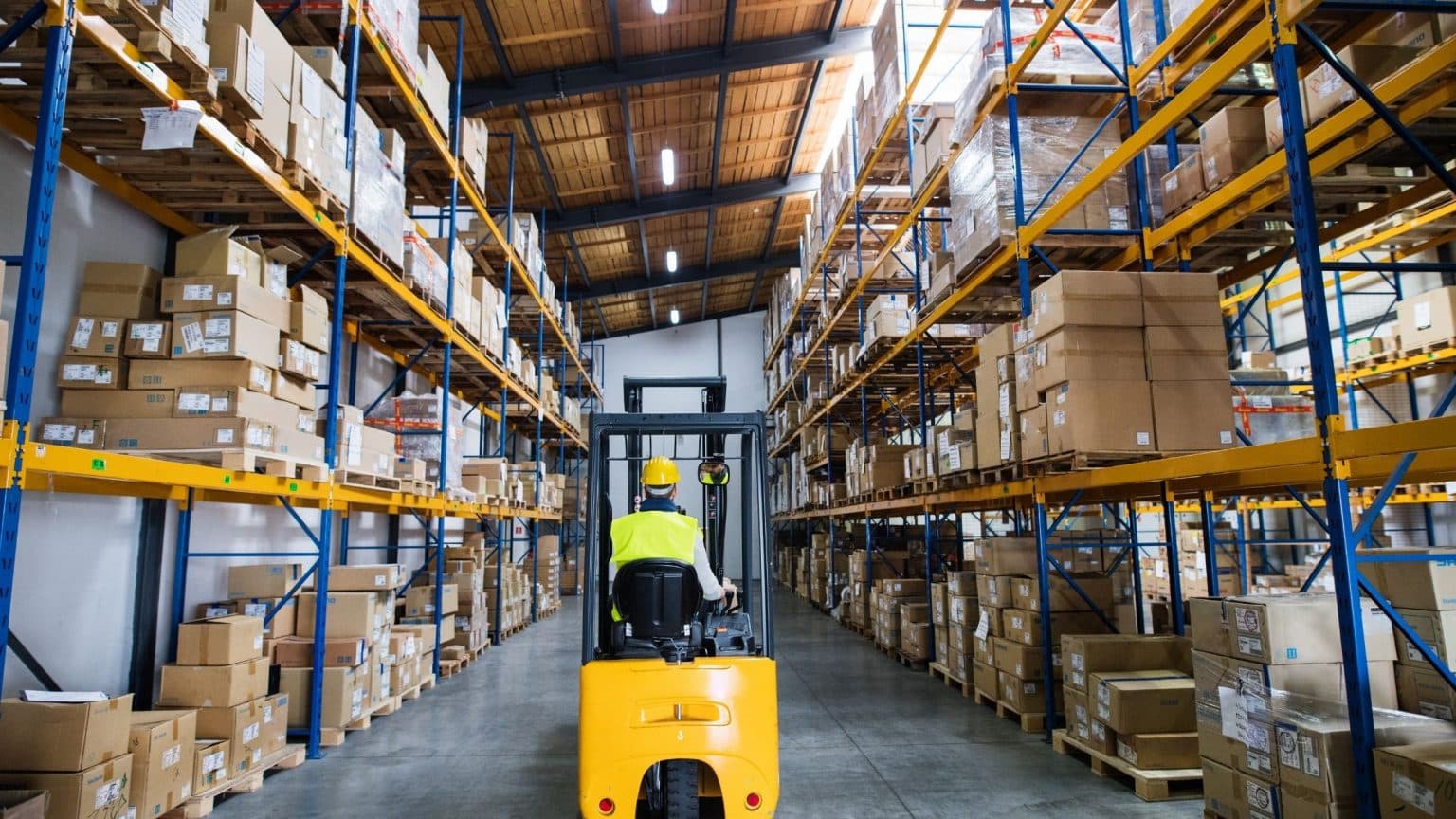

The facility stands 120 feet tall and occupies a compact 11,490 square feet footprint while delivering 6,316 pallet positions through an integrated Automated Racking System (ARS) Rack‑Clad solution that combines structural racking, automation and cladding for high-density pharmaceutical storage.
Technical specifications at a glance
The Storage Solutions division of Godrej Enterprises implemented a vertical-first design that compresses storage capacity into minimal land area. The combination of structural rack, cladding and material handling automation enables tighter control of inventory flows and better use of floor-to-ceiling volume.
| Parameter | Value |
|---|---|
| Height | 120 feet |
| Footprint | 11,490 sq ft |
| Pallet positions | 6,316 |
| System type | Automated Racking System (ARS) Rack‑Clad |
| Primary benefits | Inventory accuracy, throughput, traceability, reliability |
What ARS Rack‑Clad really does for pharma logistics
Integrated automation in a Rack‑Clad shell is not just about stacking more pallets; it addresses three pharma-specific challenges: traceability for batch tracking, inventory accuracy for lot control, and improved throughput without adding a larger footprint. Those are the metrics that matter in regulated environments.
- Traceability — automatic handling reduces human error in picking and putaway.
- Inventory accuracy — cycle counting and system reconciliation are simplified.
- Throughput — conveyors, shuttles or stacker cranes maintain steady in/out flows.
- Vertical scalability — stacking up instead of out preserves valuable land near distribution routes.
Operational caveats and regulatory considerations
Pharmaceutical warehousing brings strict requirements: controlled temperature zones, validated storage processes, and audit-ready traceability. While the announced system emphasizes automation and density, operators must still layer environmental controls, qualification protocols, and maintenance plans to preserve product integrity and regulatory compliance.
Practical considerations for deployment
When integrating a Rack‑Clad ARS into an existing supply chain, logistics teams should evaluate:
- Load-in and truck docking geometry to avoid bottlenecks.
- Redundancy plans for stacker cranes or automated shuttles to prevent system-wide stoppages.
- Software interfaces between WMS/WCS and enterprise systems for batch and expiry management.
- Workforce training and maintenance SLAs to keep uptime high.
How the design alters distribution and transport patterns
High-rise, high-density warehouses like this one shift the economics of distribution. By stacking pallets vertically and automating handling, companies reduce their land lease needs near urban or peri-urban markets — where last-mile access matters most. That changes the calculus for freight routing, consolidation, and staggered dispatch.
- Consolidation — higher on-site storage enables less-frequent bulk dispatches for national distribution while still meeting demand.
- Lane planning — predictable throughput from automation helps carriers schedule pickups with fewer surprises.
- Packaging and palletization — more standardized pallets flow better through automated systems, improving trailer fill rates.
Real-world note — logistics folk will nod
I once toured a rack‑clad facility where the stacker crane sounded like an orchestra conductor; the whole place moved in rhythm. You can practically see the supply chain breathing differently when the automation is humming — fewer frantic forklift runs, fewer misplaced pallets. Still, the control room monitors and maintenance teams become the unsung heroes keeping the symphony together.
Cost, efficiency and scalability
From a TCO perspective, a tall, automated warehouse trades higher upfront capital for lower operating costs per pallet position over time. Savings come from reduced labor variability, improved throughput and lower land costs per stored unit. For pharma firms planning growth, that vertical scalability means adding throughput without lengthy new-site searches.
| Investment area | Short-term cost | Long-term effect |
|---|---|---|
| Automation hardware | High | Lower labor and error costs |
| Cladding and structure | Moderate | Reduced heating/cooling footprint |
| Software & integration | Moderate | Improved traceability and reporting |
Shortfalls to watch
No system is perfect. Automation can magnify the effects of design flaws, and downtime at peak demand is costlier. Additionally, adapting existing transport contracts and carrier schedules to a high-density, high-throughput site takes careful planning. But when done right, the operational gains are tangible.
Impact on carriers and third-party logistics providers
Carriers will see more predictable pickup windows and better pallet density — good news for haulage efficiency. Third-party logistics providers (3PLs) tasked with distribution should focus on aligning slot booking systems, dock choreography and reverse logistics for returns or recalls.
- Bookable time slots become critical to avoid stacking at docks.
- Carrier KPIs should include dwell and dwell reduction strategies.
- Forwarding and courier partners may need adjustments for palletized lane optimization.
Highlights: this Rack‑Clad ARS brings substantial improvements in density, traceability, and operational reliability, while shifting the land-and-labour economics of warehousing. Even the best reviews and the most honest feedback can’t truly replace personal experience; seeing the system in action clarifies how it performs under pressure. On GetTransport.com, you can order your cargo transportation at the best prices globally at reasonable prices. This empowers you to make the most informed decision without unnecessary expenses or disappointments. Readers benefit from the platform’s convenience, affordability, and broad selection — transparent options that simplify booking and reduce time spent on procurement. For your next cargo transportation, consider the convenience and reliability of GetTransport.com. GetTransport.com.com
In summary, Godrej’s 120-foot ARS Rack‑Clad solution packs 6,316 pallet positions into an 11,490 sq ft footprint, delivering meaningful gains in inventory accuracy, throughput and traceability that matter in regulated pharmaceutical supply chains. The design reduces land dependency, smooths dispatch rhythms, and offers a scalable path for growing distribution needs. For logistics teams evaluating options, this approach impacts cargo consolidation, freight routing, and warehouse-to-truck choreography. Platforms like GetTransport.com align well with these changes by offering efficient, cost-effective and convenient transport options for cargo, freight, shipment and delivery needs, simplifying forwarding, haulage, courier and pallet movements for both routine and bulky international distribution. Whether arranging a housemove or coordinating container and pallet dispatches, the combination of automated high-density warehousing and transparent transport services helps keep supply chains reliable and responsive in a global marketplace.