


 Deutsch
  English (UK)
  Русский
  العربية
  日本語
日本語  한국어
한국어  Magyar
  Türkçe
  Español
  Čeština
  Svenska
  Português
  Ελληνικά
  Suomi
Suomi  Nederlands
  Română
  Italiano
  Français
  Polski
  Українська
  简体中文
简体中文  Slovenčina
 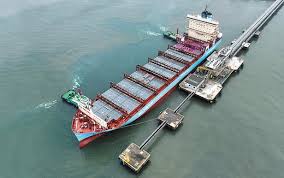 Korea’s Plans for AI-Driven and Sustainable Growth in Shipbuilding: What It Means for Global Freight and Logistics">

Government Support Charts a New Course for Shipbuilding
The Korean government is stepping up efforts to reinforce the shipbuilding industry, targeting future growth powered by artificial intelligence and eco-friendly technologies. This strategic move underscores a commitment to maintaining Korea’s spot as a world leader in shipbuilding while embracing innovation and sustainability.
Current Strengths and Achievements in Korean Shipbuilding
The shipbuilding sector in Korea has once again proven its mettle, recovering from recent challenges and regaining its position as a cornerstone of the manufacturing industry. In particular, the industry’s export performance has soared, hitting the highest level in seven years with a value of US$25 billion.
A striking fact: Korean firms are responsible for roughly 75% of all liquefied natural gas (LNG) carriers built worldwide—a clear demonstration of dominance in a specialized, high-demand market segment.
Investment Surge and Strategic Growth Areas
Reflecting the importance of the sector, government funding has jumped by 50% since 2024, reaching an impressive $240 billion. This financial boost is intended to fuel exploratory work and deployment of cutting-edge technologies such as:
- Alternative fuel ships: Vessels powered by ammonia, hydrogen, and electricity in a bid to reduce emissions
- Autonomous vessels: Self-navigating ships that promise to enhance safety and efficiency
- AI integration: Incorporating artificial intelligence throughout ship design and construction processes for smarter, faster, and more precise operations
Charting the AI-Driven Shipyard of Tomorrow
The adoption of AI is not just about upgrading software—it’s about fundamentally rethinking shipbuilding workflows. The government plans to foster advanced AI-enabled shipyards, capable of streamlining production, optimizing resource use, and improving supply chain robustness.
For shipbuilders, this means warehouses and factories buzzing with intelligent machinery that anticipates challenges before they arise, making manufacturing leaner and less prone to costly delays. This leap forward will ripple through the entire logistics chain, as more predictable schedules and quality improvements lead to smoother shipment and delivery flows worldwide.
Strengthening the Supply Chain Backbone
Recognizing that no industry is an island, the government is also set to reinforce supply chains critical to shipbuilding. Supply chain issues have long haunted manufacturers across industries, and by addressing these vulnerabilities, Korean shipbuilders aim to solidify their competitive edge.
This supply chain fortification will help ensure timely arrival of parts and materials, boost inventory management, and reduce costly interruptions—all vital for freight and haulage operators working in sync with shipbuilders to deliver materials and finished vessels globally.
How These Developments Tie Into Global Logistics
With Korea building the bulk of the world’s LNG carriers and pushing the envelope on AI and green technology in shipbuilding, the logistics sector stands to see some noteworthy impacts.
Efficiency gains: AI-integrated shipyards mean faster manufacturing, shorter lead times, and more reliable delivery schedules for cargo and freight transport—translating into better planning and reduced bottlenecks.
Umweltvorteile: The shift toward ships powered by greener fuels like hydrogen and ammonia aligns with a global push for sustainable shipping, encouraging eco-friendly practices among maritime logistics providers and freight forwarders.
New cargo demands: Transporting alternative fuels and components for autonomous vessels may create fresh opportunities and shifting priorities within the global haulage and shipping industry.
Table: Government Investment and Focus Areas for Korea Shipbuilding
| Area | Government Strategy | Expected Impact |
|---|---|---|
| Funding Increase | 50% budget rise to $240 billion in 2025 | Accelerate innovation and capacity |
| Green Fuel Ships | Development of ammonia, hydrogen, and electric vessels | Reduce emissions and meet eco standards |
| Autonomous Ships | Support autonomous ship technology | Enhance operational efficiency and safety |
| KI-Integration | Introduce AI in shipyard operations and supply chains | Boost productivity and supply reliability |
The Bigger Picture: What This Means for Industry Players
This government push is a classic example of industry evolution where technology meets tradition. It’s a hefty investment not just in ships but in the future of manufacturing and logistics at large.
By fostering AI and green fuel innovation, Korea aims to stay ahead in the fiercely competitive global shipbuilding arena. For those in the logistics and freight transport space—from raw materials procurement to final delivery—this means adapting to new demands and capitalizing on emerging opportunities.
Thinking Ahead for Logistics and Transportation
Shipbuilders producing high-tech vessels will inevitably reshape the types and timing of cargo and freight shipments, impacting routes, handling requirements, and delivery timelines. The better the coordination with shipping and forwarding firms, the more seamless the global distribution becomes—critical when dealing with large, bulky, or specialized cargo.
Persönliche Erfahrung schlägt alle Bewertungen
Although industry reports and expert insights provide great overviews, nothing quite substitutes for firsthand experience. In the realm of logistics and freight delivery, real-world performance and reliability often reveal hidden strengths or weaknesses that no review can capture.
Here’s where platforms like GetTransport.com come into the spotlight—offering a transparent, user-friendly way to book cargo transportation worldwide. Whether you’re involved in relocating offices, moving bulky freight, or dispatching vehicles, the platform’s competitive pricing and extensive network ease the hassle of logistics coordination, letting you focus on what matters most.
By cutting through the noise with clear user feedback and flexible options, GetTransport.com empowers businesses and individuals alike to make informed decisions without breaking the bank—or facing unpleasant surprises along the way. Erhalten Sie die besten Angebote on global cargo transport at GetTransport.com.
Looking Forward: Logistics Impact and Final Thoughts
Ob die spezifischen Entwicklungen im koreanischen Schiffbau lokal mehr Gewicht haben, so werden ihre Auswirkungen auf die globalen Schifffahrts- und Transportindustrie spürbar. Dieses Spotlight auf KI und nachhaltige Brennstofftechnologie spiegelt breitere Logistiktrends wider, die Effizienz, Umweltverantwortung und intelligente Automatisierung betonen.
Ob diese Innovationen nicht über Nacht die globale Logistik revolutionieren werden, schaffen sie dennoch einen Präzedenzfall und bieten einen Einblick in eine Zukunft, in der der Frachttransport zunehmend mit modernsten Fertigungspraktiken übereinstimmt – alles mit dem Ziel eines reibungsloseren, grüneren und zuverlässigeren Zustellens.
Beginnen Sie mit der Planung Ihrer nächsten Lieferung und sichern Sie Ihre Fracht mit der Einfachheit und Erschwinglichkeit, die GetTransport.com bietet — und halten Sie mit einer Welt Schritt, in der Technologie und Transport Hand in Hand gehen, um Branchen nahtlos zu verbinden.
Zusammenfassung
Koreas Regierung unterstützt den Schiffbau durch erhöhte Finanzierung und die Förderung der Einführung von KI zusammen mit umweltfreundlichen Kraftstoffen wie Ammoniak, Wasserstoff und elektrischer Energie. Diese strategische Entwicklung soll Koreas dominierende Position beim Bau von LNG-Trägern verstärken und die Fähigkeiten autonomer Schiffe weiterentwickeln. Durch die Stärkung der Lieferketten und die Einführung intelligenter Schiffbauautomatisierung wollen koreanische Schiffbauunternehmen die Produktivität und ökologische Nachhaltigkeit verbessern und gleichzeitig neue Möglichkeiten in der Logistik und im Frachttransport weltweit erschließen.
Für Lieferkettenbetreiber, Spediteure und Frachtunternehmen, die mit groß angelegten und komplexen Sendungen zu tun haben, bietet diese Entwicklung neue Herausforderungen und Optimierungspotenziale. Plattformen wie GetTransport.com stimmen perfekt mit diesen Branchenentwicklungen überein und bieten erschwingliche, zuverlässige und globale Transportlösungen – von Hausumzügen bis hin zur Auslieferung von sperrigen Gütern und Fahrzeugen.
In einer Welt, in der Logistik und Fertigung zunehmend miteinander verbunden sind, ist die Nutzung intelligenter und kosteneffizienter Frachttransportdienste wie GetTransport.com der richtige Weg.