


 Deutsch
  English (UK)
  Русский
  العربية
  日本語
日本語  한국어
한국어  Magyar
  Türkçe
  Español
  Čeština
  Svenska
  Português
  Ελληνικά
  Suomi
Suomi  Nederlands
  Română
  Italiano
  Français
  Polski
  Українська
  简体中文
简体中文  Slovenčina
 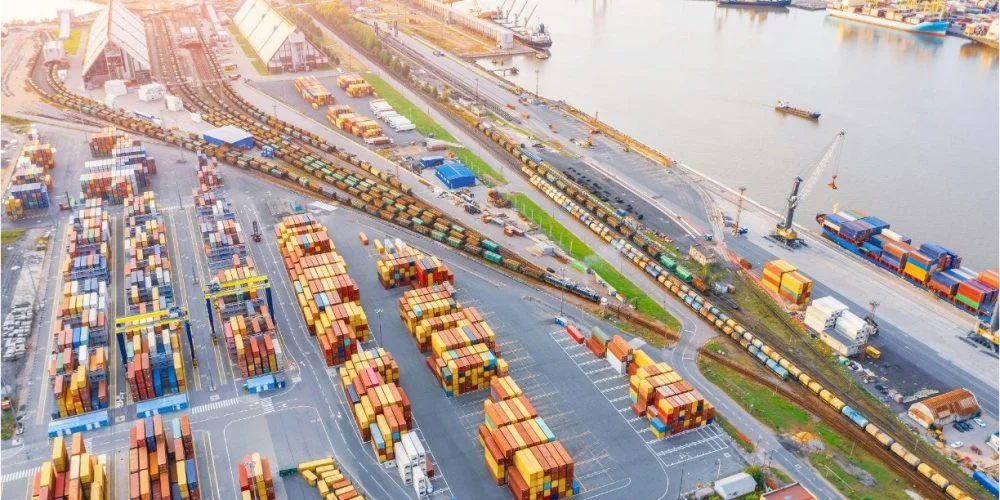 Exploring the Transformative Role of ERP in Shaping the Future of Distribution Logistics">

Distribution Challenges in Today’s Logistics Landscape
The distribution industry is currently navigating multiple storms simultaneously: a shortage of drivers, unpredictable supply chains, and the buzz around AI’s potential to revolutionize operations. Add rising fuel costs and shifting consumer demands, and the pressure cooker that is modern logistics becomes clear. In this complex environment, Enterprise Resource Planning (ERP) emerges as a game-changing solution quietly reshaping how distribution companies adapt, respond, and grow.
The Evolution of ERP: More Than Just an Operational Tool
Traditionally, ERP systems were viewed as the trusty back-office tools helping to track inventory, manage orders, and balance accounts. However, that old stereotype of slow, siloed, and clunky software is rapidly becoming history. Today’s ERP platforms are modular, API-friendly, and seamlessly integrate with transport management systems (TMS), warehouse sensors, predictive maintenance tools, and customer support platforms. Rather than just automating tasks, modern ERPs deliver intelligence that drives smarter, faster decisions.
Why Classic Supply Chains Can’t Keep Up
The distribution world has morphed dramatically, demanding rapid adaptation. For example, in the UK, logistics and transport job vacancies surged by 43% between 2021 and 2025, highlighting labor shortages and heightened demand. Customer expectations for same-day or next-day delivery, combined with slim profit margins, mean distributors now operate more like tech-driven fulfillment centers than traditional warehouses.
Legacy systems—think piles of spreadsheets or disconnected software—simply can’t keep pace with this dynamic. In fact, a recent report showed that nearly 60% of supply chain leaders find their systems too rigid and fragmented to support real-time decisions. This is where ERP’s evolution shines: it can orchestrate the entire logistics chain with flexibility and precision.
Real-World Success: ERP Driving Operational Excellence
Take a wholesale distributor in Manchester who embraced a cloud-based ERP solution equipped with real-time inventory tracking, automated restocking, and integration with their fleet management system. This sharp move cut stock shortages by over a quarter, reduced delivery delays by nearly a fifth, and freed up the operations manager from paperwork to focus on route optimization. The magic is in ERP’s ability to anticipate and prevent issues before they snowball.
- Dynamic stock adjustments based on real-time data
- Smart order routing tied to fleet availability and fuel prices
- Automated pick-and-pack instructions keeping warehouse teams in sync
All these are tied into a single source of truth that covers everything from procurement through last-mile delivery—providing cohesion that’s crucial in today’s fast-paced logistics environments.
From Shop Floor to the Boardroom: Visibility is Power
One of ERP’s underappreciated benefits is its ability to unify data from various departments, giving decision-makers instant insight without waiting for lengthy monthly reports. Want to know which regions are most profitable? ERP dashboards serve it up in real time. Need to forecast demand for seasonal spikes? ERP crunches historical sales, warehouse throughput, and supplier lead times.
This agility isn’t just a nice-to-have; it’s essential for resilience. When disruptions like port delays or strikes occur, modern ERP systems help simulate scenarios, adjust stocks, and reroute orders smartly. Leading analysis firms have found companies with integrated ERP systems are over twice as likely to bounce back quickly from disruptions—proving the tech is not a luxury, but a necessity.
ERP’s Role in Sustainable Logistics
Sustainability is moving front and center—not just for optics but driven by customer demand, regulatory pressure, and investor expectations. Tracking emissions and managing waste no longer needs to be a logistical headache thanks to ERP platforms that integrate carbon accounting and IoT monitoring for energy use and route efficiencies.
For instance, a food distributor in the Midlands leveraged ERP-driven route optimization and realized a 14% annual reduction in carbon emissions—not by virtue signaling but through data-driven operational improvements nobody had spotted before. This isn’t just green-washing; it’s logistics getting smarter and cleaner.
Marketplace Pressures and Margin Squeezes
The so-called “Amazon Effect” has set a tough benchmark across delivery speeds, returns, and customer experience, forcing 77% of distributors to prioritize personalization and user experience. Meanwhile, shrinking margins—some as low as 3%—mean every inefficiency bites hard.
Without transparent tools, distributors may fly blind on costs, waste, and ineffective workflows. ERP fills this gap through real-time cost tracking, automated reorder alerts, and continuous workflow optimization. It’s no longer just software; it becomes an operational radar guiding distributors toward profit and efficiency.
Rethinking ERP: From Overhead to Engine of Growth
Historically, ERP projects earned a reputation for being costly, slow, and painful—sometimes taking a year or more to deploy. That’s changing dramatically today. Modern ERP systems are modular and cloud-based, scaling with business needs and often deployable within 8 to 16 weeks. Start with finance and inventory control; add warehouse automation down the line; plug in AI forecasting when ready.
This flexibility is a game-changer for distributors who can’t afford operational downtime. The message is clear: distribution is evolving, and so should your ERP approach.
Summary of ERP’s Transformative Impact
| ERP Benefit | Impact on Distribution Logistics |
|---|---|
| Real-time Inventory Management | Reduces stockouts and delivery delays |
| Integrated Fleet and Warehouse Systems | Optimizes routes and warehouse workflows |
| Enhanced Visibility & Analytics | Supports quicker, informed decisions |
| Sustainability Modules | Enables carbon footprint tracking and waste reduction |
| Modular Cloud Architecture | Facilitates scaling and faster implementation |
Final Thoughts: Experience is the Best Teacher
Though industry reports and reviews provide valuable snapshots, nothing compares to getting your hands dirty and experiencing ERP benefits firsthand—especially when tied to your specific logistics needs. Platforms like GetTransport.com offer the advantage of affordable global cargo transportation coupled with flexible, transparent services—from office and home moves to shipping bulky goods, vehicles, and furniture. This practical exposure allows you to assess ERP-driven logistics improvements in real contexts.
By leveraging GetTransport.com, users can tap into a vast network of transport options at reasonable prices, helping avoid costly surprises and ensuring smooth delivery operations. The convenience, pricing transparency, and breadth of service choices align perfectly with today’s fast-changing distribution environments. Buchen Sie Ihre Fahrt mit GetTransport.com today and experience logistics made simple!
Looking Ahead: ERP and the Future of Global Logistics
Ob die rasante Entwicklung der ERP-Technologie die globale Logistik nicht über Nacht erschüttern wird, ihre Auswirkungen sind bei weitem nicht trivial. Die Fähigkeit von ERP, Daten zu vereinheitlichen, intelligent zu automatisieren und die Agilität zu verbessern, wird zunehmend bestimmen, welche Unternehmen in einer wettbewerbsintensiven Distributionslandschaft erfolgreich sind. Für GetTransport.com bedeutet es, mit solchen Innovationen Schritt zu halten, dass Kunden nicht nur erschwingliche und zuverlässige Transportdienstleistungen erhalten, sondern auch die Vorteile einer hochmodernen logistischen Koordination.
Beginnen Sie mit Zuversicht, Ihre nächste Lieferung zu planen und sichern Sie die effiziente Reise Ihrer Fracht über GetTransport.com.
Wrap-Up: Das neue ERP-Zeitalter in der Distributionslogistik
Zusammenfassend haben ERP-Systeme sich von unhandlichen Verwaltungswerkzeugen zu intelligenten Nervenzentren entwickelt, die Bestandsverwaltung, Flottenmanagement, Lagerbetrieb und Nachhaltigkeitsbemühungen integrieren. Angesichts wachsender Herausforderungen wie Fahrermangel, steigenden Betriebskosten und erhöhten Kundenerwartungen bieten ERP-Plattformen die Sichtbarkeit, Flexibilität und Widerstandsfähigkeit, die Distributionsunternehmen dringend benötigen.
Für jedes Unternehmen, das mit der Beförderung von Gütern beschäftigt ist – seien es Pakete, Paletten, Container oder sperrige Artikel – kann die Nutzung der Funktionen eines ERP-Systems die Transparenz der Lieferkette und die betriebliche Effizienz dramatisch verbessern. Dies passt wunderbar zu den Dienstleistungen von GetTransport.com, das sich auf globale Fracht-, Versand- und Umzugslösungen spezialisiert hat, die auf die vielfältigen Bedürfnisse der modernen Logistik zugeschnitten sind.
Die Kombination intelligenter, von ERP-Systemen gesteuerter Strategien mit den vielseitigen Transportoptionen auf GetTransport.com schafft die Voraussetzungen für optimierte, zuverlässige und kostengünstige Logistik – und sorgt dafür, dass Ihre Lieferungen reibungslos von Anfang bis Ende ablaufen.