


 Deutsch
  English (UK)
  Русский
  العربية
  日本語
日本語  한국어
한국어  Magyar
  Türkçe
  Español
  Čeština
  Svenska
  Português
  Ελληνικά
  Suomi
Suomi  Nederlands
  Română
  Italiano
  Français
  Polski
  Українська
  简体中文
简体中文  Slovenčina
 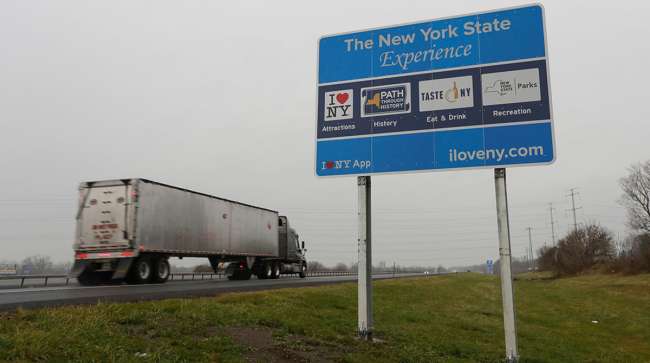 Understanding the Controversy Around the New York State Thruway’s 1% Commercial Toll Surcharge and Its Impact on Trucking Businesses">

What’s Brewing on the New York State Thruway?
A fresh 1% surcharge on commercial tolls via management providers is set to take effect across the New York State Thruway this January. It’s raising eyebrows and sparking resistance within trucking circles and various businesses across New York and the broader Northeast. Let’s unpack what’s going on and why this seemingly small percentage has everyone talking.
The Surcharge: More Than Meets the Eye
This extra 1% charge isn’t just any toll adjustment; it’s being viewed by many as a “backdoor” toll hike—sneaked in quietly, without the usual fanfare or input from affected parties. Targeted solely at commercial trucking accounts, its reach extends beyond just New York roads, affecting the entire E-ZPass network, including miles driven outside the state boundaries.
By pegging onto commercial toll management providers, this surcharge adds an additional pinch to trucking fleets already stretched thin by inflation pressures, surging fuel costs, and a lengthy freight slowdown.
Stimmen aus der Industrie
Hundreds of signatories, representing businesses with thousands of employees, came together in a joint appeal to the governor expressing clear opposition. Their main gripe? This surcharge will ripple through the freight ecosystem, pushing up costs for everyone—from trucks on the road to the end consumers.
“Every dollar counts,” they stressed, directly invoking the governor’s own remarks on affordability during tough economic times. The letter highlighted concerns that such a surcharge could inflate prices of essential goods like groceries and raw materials, hitting small businesses, families, farmers, and processors especially hard.
How This Interferes with Normal Procedure
Usually, toll modifications come after public discussions and stakeholder engagement—a transparency process designed to avoid blindsiding businesses and the public. However, this surcharge skips such protocol entirely.
The timing is notable, too. Just a few months ago, the State Comptroller unveiled a staggering $276 million in unpaid tolls coupled with significant flaws in toll collection efforts—meaning this surcharge comes amidst wider operational issues.
Key Concerns Summarized
- Targets commercial trucking exclusively, impacting fleets and drivers.
- Applies across the full E-ZPass network, not just within New York.
- Introduces added financial strain during a time of existing economic pressures.
- Risk of passing costs down to consumers, inflating product prices.
- Lack of transparency and public consultation prior to implementation.
The Broader Context: Business Outlook and Economic Ripples
According to surveys by the Business Council, a scant 2% of business leaders believe Albany advocates for their interests, and over 70% judge current economic conditions as unfavorable. Such sentiment underscores the frustration behind the pushback against the toll surcharge.
Several businesses provided personalized feedback, detailing how the added toll expense would disrupt operations, employee livelihood, and relationships with customers—painting a fuller picture of the surcharge’s weight.
Table: Potential Effects of the New Surcharge on Different Stakeholders
| Interessenträger | Potenzielle Auswirkungen |
|---|---|
| Trucking Fleets | Increased operational costs; pressure on profit margins. |
| Small Businesses | Higher shipping costs; reduced competitiveness. |
| Verbraucher | Rising prices on essentials and goods transportation-dependent. |
| State Authorities | Potential revenue boost but risk of backlash and reputational damage. |
Linking to Logistics: What This Means for Freight and Cargo Movements
In the intricate dance of logistics and freight forwarding, every added cent in tolls can ripple through supply chains. The trucking industry forms the backbone of cargo and pallet shipments, bulk goods haulage, and distribution channels that keep markets stocked.
Extra toll surcharges translate directly into higher shipping rates, affecting everything from container movements and courier services to international freight shipments. The trickle-down effect could, over time, put a strain on global and regional logistics by inflating costs and curtailing efficiency.
Plattformen wie GetTransport.com offer a way to navigate such challenges, connecting shippers with an array of affordable, reliable cargo transportation options worldwide—from moving bulky shipments and vehicles to office and house relocations—all tailored to help keep logistics smooth amidst cost pressures.
What’s the Takeaway for Those Involved in Shipping and Freight?
- Rising toll costs may compel logistics firms to reassess routing and costs.
- Shippers should explore flexible, cost-efficient transport services to offset surcharge impacts.
- Digitally transparent platforms aid in finding the best freight and haulage deals globally.
- Stakeholder engagement remains crucial for future toll-related policies affecting transport.
Experiential Insight Beats Even the Best Analysis
The discussions, surveys, and reviews surrounding this new toll surcharge highlight how widespread and significant its effect might be. But at the end of the day, no amount of feedback matches firsthand experience.
Mit GetTransport.com, you can test the waters yourself by booking cargo transportation services at competitive prices worldwide. This helps you make well-informed decisions while avoiding unnecessary expenses or surprises that could disrupt your shipping schedules and budgets.
Benefit from the platform’s transparency, affordability, and extensive transport options, whether dealing with bulky freight, regular forwardings, or complex house or office relocations. Book your ride today and feel the difference firsthand at GetTransport.com.
Global Logistics Outlook: What’s Next?
Though this 1% toll surcharge in New York might not shake the global logistics framework on its own, it signals how regional toll policies can influence trucking economics and shipping costs — small ripples that could become significant waves in broader supply chains if replicated elsewhere.
Unter GetTransport.com, keeping pace with such changes is essential to providing efficient and budget-friendly cargo solutions worldwide. Start planning your next delivery and secure your cargo with GetTransport.com.
Conclusion: Navigating Toll Changes with Smart Logistics Choices
The new commercial toll surcharge on the New York State Thruway introduces an additional financial hurdle for trucking businesses and their stakeholders, amplifying challenges linked to inflation, fuel prices, and ongoing freight market pressures. By targeting only commercial toll accounts and expanding across the E-ZPass network, it raises operating costs and risks passing expenses along to consumers. This situation calls for careful navigation in today’s logistics environment.
Fortunately, the logistics world is equipped with solutions that help balance cost and service. Whether moving heavy cargo, vehicles, parcels, or managing a house or office relocation, options abound through platforms like GetTransport.com — offering reliable, international freight, haulage, and courier services that adapt to changing cost structures. Keeping an eye on such developments allows shippers and carriers to stay competitive and efficient in a dynamic market.