


 Deutsch
  English (UK)
  Русский
  العربية
  日本語
日本語  한국어
한국어  Magyar
  Türkçe
  Español
  Čeština
  Svenska
  Português
  Ελληνικά
  Suomi
Suomi  Nederlands
  Română
  Italiano
  Français
  Polski
  Українська
  简体中文
简体中文  Slovenčina
 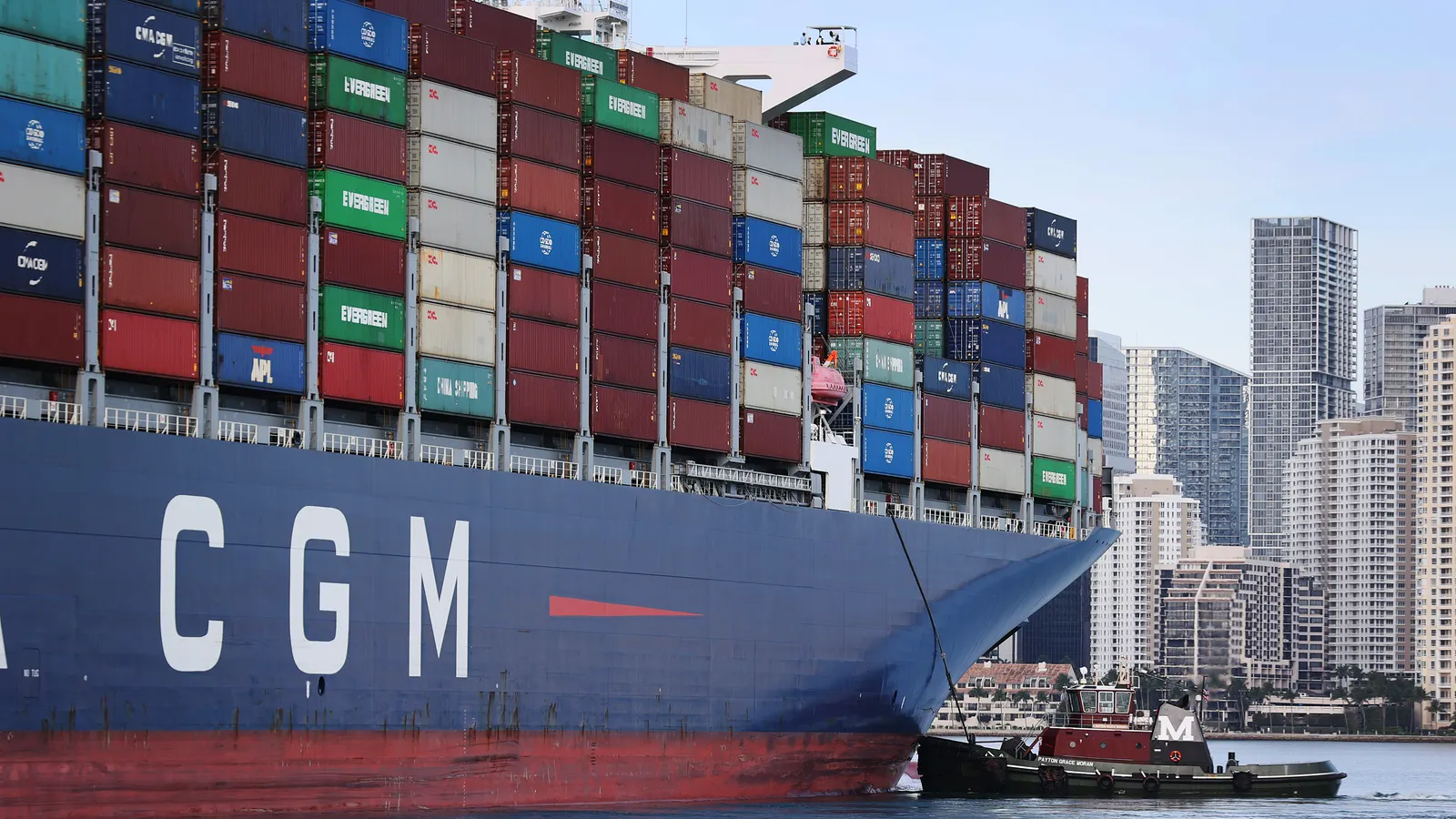 Navigieren durch das jüngste Tief im Containerfrachtratenmarkt und seine Auswirkungen auf die Lieferkette">

Ocean Shipping Rates Plunge to Year-Long Lows
The container ocean freight market has seen rates dip to levels not witnessed since the final months of 2023. This downward trend reflects the complex interplay of current geopolitical developments and changes in trade patterns, notably impacting U.S.-China shipping lanes and maritime traffic through critical waterways like the Red Sea.
Marktübersicht
Recent reports from Freightos reveal an 8% drop week over week in Transpacific container freight rates, signaling sustained softness in the market. Average ocean freight prices from Asia to the U.S. West Coast hover around $1,431 per FEU (Forty-foot Equivalent Unit), while eastbound shipping to the U.S. East Coast averages higher but has also declined to just over $3,015 per FEU. These figures highlight a notable easing in pricing pressure compared to earlier months.
| Route | Average Rate per FEU (Oct 8-15, 2025) | Week-over-Week Change |
|---|---|---|
| Asien nach der Westküste der USA | $1,431 | Down 8% |
| Asien nach US-Ostküste | $3,015 | Down 8% |
Key Drivers Behind the Decline
- Declining U.S. import volumes: Import activity has softened, reaching lows not seen since mid-2023, with expectations this trend will persist into the year-end period, weighing heavily on demand for container slots.
- Trade war-related frontloading easing: Earlier accelerated shipments linked to trade tensions have tapered off, leading to a rebalancing of cargo flows and capacity.
- Supply expansion: The maritime industry has responded to previous demand spikes by increasing shipping capacity, which now contributes to overcapacity and downward price pressure.
Impact of Red Sea Developments on Ocean Transport
The Red Sea, a strategic maritime artery, had been plagued by disruptions due to ongoing regional turmoil over recent years. Now, with the establishment of a ceasefire pact in the area, shipping experts are anticipating a resurgence in container traffic through this vital corridor.
Shipping carriers have already started to resume and increase transit services through the Suez Canal and Red Sea route, although many remain cautious. The market is waiting for sustained security and stability before fully restoring pre-crisis schedules. This return of capacity could add to the pressure on ocean freight rates by flooding the market with available space once the waters calm fully.
U.S. Port Fees on China-Linked Ships
New port call fees imposed by the U.S. on vessels linked to Chinese operations began recently, despite tentative progress in trade negotiations that raised hopes for exemptions or reductions. Some shipping companies are absorbing these fees without passing them onto customers, attempting to avoid disruptions in freight pricing and service reliability.
For instance, A.P. Moller – Maersk is reportedly diverting China-built ships to other trade routes to manage costs strategically, while China’s Cosco emphasizes stable service without adding surcharges. Such responses might limit the fees’ effect on Transpacific freight rates and shipping capacity.
In a tit-for-tat move, China implemented port fees on U.S.-flagged vessels, affecting a small percentage of port calls. Carriers are likely to adjust their vessel deployments to minimize exposure to these charges, balancing the overall disruption.
Other Regulatory Measures and Tariffs
The maritime sector is also facing additional regulatory pressure, with the U.S. government discussing penalties linked to international environmental frameworks aimed at reducing carbon emissions in shipping. Proposed measures include visa restrictions for crews and additional port fees linked to ships from countries supporting these global environmental goals.
Moreover, starting in November, the U.S. plans to levy 100% tariffs on key equipment originating from China, including ship-to-shore cranes and intermodal chassis parts. These tariffs have the potential to affect operational costs and thus ripple through the logistics chain.
What These Trends Mean for Logistics and Freight Forwarding
Understanding these ocean freight shifts is crucial for logistics professionals, freight forwarders, and cargo planners. Lower ocean rates might seem like a win, but the underlying causes—geopolitical shifts, uneven trade flows, and regulatory changes—create a complex environment for supply chain management.
For businesses engaged in large-scale cargo shipping, house moves, or bulky item relocation, platforms like GetTransport.com become invaluable. Offering versatile, affordable solutions for global freight, including furniture, vehicles, and general cargo shipments, the platform helps navigate pricing fluctuations and logistical challenges by connecting users with trusted carriers worldwide.
Summary Table: Key Ocean Freight Factors Affecting Logistics
| Faktor | Auswirkungen |
|---|---|
| Freight rate decline | Potential cost savings but increased market volatility |
| Red Sea stability | Expected restoration of shipping lanes and capacity surge |
| Port fees and tariffs | Added operational costs, affecting carrier strategies and equipment sourcing |
| U.S.-China trade tension easing | Reduced frontloading impacts cargo scheduling |
Personal Experience Trumps Even the Best Reviews
Numbers and reports can only paint part of the picture. The reality of freight shipping often comes down to hands-on experience navigating the ups and downs of the market. Platforms like GetTransport.com offer transparency and convenience, empowering users to choose freight and shipping options tailored to their exact needs. With competitive pricing for international and domestic freight, and a range covering everything from pallets to vehicles and bulky goods, it’s a one-stop spot to manage complex logistics without breaking the bank or sweating the small stuff.
Whether moving office equipment across continents or arranging bulky cargo delivery, shoppers on GetTransport.com gain access to the best offers worldwide, allowing them to make informed decisions and avoid unpleasant surprises. This kind of service is a game-changer for anyone involved in forwarding, haulage, or relocation — proving that efficient, reliable shipping doesn’t have to be a complicated headache. Buchen Sie Ihren Frachttransport mit GetTransport.com.
Looking Ahead: Implications for Global Shipping and Logistics
While these ocean freight shifts might not drastically reshape global logistics overnight, staying current with such market dynamics is key for smooth operations. The easing of Red Sea tensions and the advent of new regulatory charges both serve as reminders of how fluid and interconnected maritime shipping remains.
GetTransport.com keeps pace with these evolving trends, offering shippers and freight operators a reliable platform to navigate the changes. Planning ahead and securing cargo movements with trusted logistics partners ensures shipments move on time and on budget regardless of market turbulence. Start planning your next delivery and secure your cargo with GetTransport.com.
Schlussfolgerung
Die Frachtraten im Seefrachtverkehr sind auf ihren niedrigsten Stand seit Ende 2023 gefallen, was durch eine Mischung aus veränderten Handelsvolumina, geopolitischen Entwicklungen und regulatorischen Änderungen bedingt ist. Die schrittweise Wiedereröffnung des Suezkanals verspricht, zusätzliche Kapazitäten wieder in Umlauf zu bringen, während neue Hafenentgelte und Zölle neue Herausforderungen für Reedereien und Spediteure gleichermaßen darstellen. Diese Faktoren tragen zu einer komplexen logistischen Landschaft bei, in der intelligente Planung und flexible Lösungen unerlässlich sind.
In dieser Umgebung zeichnen sich Plattformen wie GetTransport.com durch die Bereitstellung von erschwinglichen, effizienten und transparenten Frachtdienstleistungen weltweit aus. Von Containerfracht und Paketsendungen bis hin zu sperrigen Gütern und Fahrzeugtransport profitieren Nutzer von einer nahtlosen Mischung aus Auswahl und Kosteneffektivität. Da sich die Welt der Fracht und Logistik weiterentwickelt, ist ein Partner, der die beweglichen Teile vereinfacht, so wertvoll wie Gold.