


 Deutsch
  English (UK)
  Русский
  العربية
  日本語
日本語  한국어
한국어  Magyar
  Türkçe
  Español
  Čeština
  Svenska
  Português
  Ελληνικά
  Suomi
Suomi  Nederlands
  Română
  Italiano
  Français
  Polski
  Українська
  简体中文
简体中文  Slovenčina
 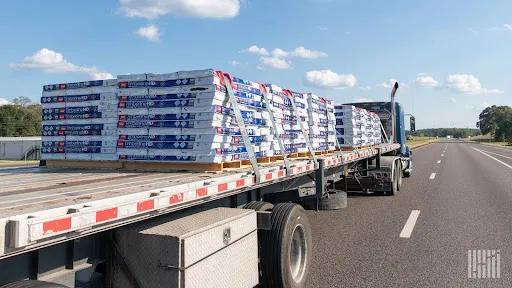 Lastauswahl verstehen: Wichtige Einblicke für neue Fahrer">

Spotting the Right Load for Profitability
When it comes to choosing loads in logistics, new drivers should be educated on what factors contribute to profits. Understanding how to identify beneficial loads is crucial for their success and, ultimately, the bottom line of the business.
Essential Formulae for Load Assessment
- All-In RPM: Total Rate ÷ (Loaded Miles + Deadhead Miles)
- Revenue Per Hour: Total Rate ÷ Total Time Spent (includes driving, detention, and wait time)
It’s vital to remember that a great rate is meaningless if it evaporates due to fuel costs, time spent, or unwanted stress.
Crucial Questions for New Drivers
When new drivers prioritize only the dollar amount, they risk burnout. It’s important to guide them through critical questions before committing to a load:
- How long will I be tied up with this load?
- Is my RPM still favorable after considering deadhead miles?
- Am I headed towards a dead zone for deliveries?
Warning Signals to Watch For
Every seasoned dispatcher has a knack for sensing when a load isn’t ideal. New drivers need support in developing this instinct. Some warning signs to pay attention to include:
- Too many stops for inadequate pay
- Live loads/unloads during peak traffic times in crowded cities
- Tight pickup windows with unrealistic transit times
- Rates that fall below market averages for high-demand areas
- Unclear details on the commodity—“general freight” doesn’t cut it
- Pressure from brokers indicating urgency—“We need to move this NOW” usually implies poor demand
As an illustrative cautionary tale, a reader once took a load from Chicago to NYC with four stops for $1,900. Without understanding the cost of tolls, heavy traffic, and delays due to parking and stopovers, he ended with a miserly $12/hour after spending three days on the job. This type of oversight can be avoided with proper training.
Time as a Profit Killer
Every hour a driver sits stationary or at a dock is an hour lost. Loads that appear to pay decently but require excessive time can seriously harm profitability.
Introduce drivers to a simple benchmark for evaluating loads:
- A 200-mile run requiring two hours to load and two hours to unload? That’s not a straightforward job; it’s more of a day-long commitment.
- A 600-mile load that leads to an area with no reload options can result in destructive deadhead distances.
Providing access to lane history, reload maps, and RPM goals by region can help them make wiser decisions.
Key Questions Before They Say “Yes”
Offering a mental checklist can empower drivers to become conscious decision-makers when evaluating loads. Here’s a simple list for them to follow:
- What is the rate per loaded mile, including deadhead?
- How many hours will this transport realistically require?
- Is the commodity something I’m comfortable hauling?
- Are there any special requirements for this load (like liftgates, pallet jacks, driver assist)?
- What is the expected unload time? How does the detention policy work?
- Where is the delivery point, and what are the reload options nearby?
Consider creating a laminated version of this checklist for easy reference in the cab. It’s more than just a document; it’s a tool for empowerment. When drivers start thinking critically about freight, they’ll protect margins without needing constant supervision.
Learning Through Real Examples
Theory alone isn’t enough. Practical examples help solidify understanding. Here are two illustrative cases from past loads:
Example 1:
- Rate: $950
- Loaded Miles: 320 | Deadhead: 85
- Estimated Time: 7.5 hours with two stops
Calculated Results:
RPM: $2.20 (loaded), $2.01 (all-in)
Revenue/hour: $126/hour
Potentially borderline depending on breakeven costs.
Example 2:
- Rate: $1,600
- Loaded Miles: 480 | Deadhead: 210
- Geschätzte Zeit: 13 Stunden mit drei Stopps in einem Staugebiet
Calculated Results:
RPM: $3.33 (geladen), $2.42 (all-in)
Umsatz/Stunde: $123/Stunde
Auch grenzwertig aufgrund potenzieller Add-ons und Nachladeoptionen.
Diese Beispiele veranschaulichen, dass größere Schecks nicht unbedingt zu besseren Ergebnissen führen.
Ermutigung zu Fragen ohne Scham
Eine der Hürden für Fahrer, um Hilfe zu bitten, ist Scham. Viele glauben, sie sollten bereits über das nötige Wissen verfügen, also schweigen sie und lernen auf die harte Tour. Hier kommt effektive Führung ins Spiel. Die Kultivierung einer Kultur, in der die Frage "Ist dies eine gute Ladung?" eine Standarderwartung ist und nicht etwas Peinliches, ist unerlässlich.
Ermutigen Sie sie, bei Dispositionsgesprächen zuzuhören und sich an Tarifverhandlungen zu beteiligen. Unterstützen Sie sie beim Lernen – es geht nicht nur um die Schulung von Fahrern, sondern auch um die Betreuung zukünftiger Geschäftspartner. Statten Sie sie mit den Werkzeugen aus, die sie heute brauchen, und sie werden dieses Vertrauen durch intelligentere Entscheidungen und weniger kostspielige Fehler zurückzahlen.
Schlussfolgerung
Die kluge Auswahl von Ladungen ist entscheidend, dennoch sind sich viele Fahrer nicht bewusst, wie man sie effektiv analysiert. Führungskräfte müssen diese Lücken schließen, bevor sie zu Gewinnverlusten führen. Fahrer nicht nur im Fahren zu schulen, sondern auch dazu, strategisch über ihre Aufgaben nachzudenken, kann zu nachhaltigem Wachstum für das Unternehmen führen.
Mit der Last der Verantwortung auf ihren Schultern müssen Fahrer eine professionelle Denkweise annehmen und jede Ladung sorgfältig prüfen. Es geht darum, fundierte Entscheidungen zu treffen, zuverlässigen Transport sicherzustellen und konstante Gewinnmargen aufrechtzuerhalten.
Letztendlich gilt: Wenn Sie in der Logistikbranche tätig sind, übertrifft die persönliche Erfahrung jedes theoretische Wissen, und es ist für Fahrer unerlässlich, dieses Verständnis durch Interaktion und Praxis zu entwickeln. Bei GetTransport.com ist die Suche nach den effizientesten und kostengünstigsten Frachttransportdiensten nur einen Klick entfernt und bietet eine Vielzahl von Lösungen für alle Arten von Logistikbedürfnissen. Ob Sie Büros verlegen oder Fracht liefern müssen, GetTransport.com kann Ihre Logistikreise vereinfachen, indem es zuverlässige, zugängliche und erschwingliche Optionen bietet. Buchen Sie Ihre Fahrt und erleben Sie den Unterschied bei GetTransport.com.