


 Deutsch
  English (UK)
  Русский
  العربية
  日本語
日本語  한국어
한국어  Magyar
  Türkçe
  Español
  Čeština
  Svenska
  Português
  Ελληνικά
  Suomi
Suomi  Nederlands
  Română
  Italiano
  Français
  Polski
  Українська
  简体中文
简体中文  Slovenčina
 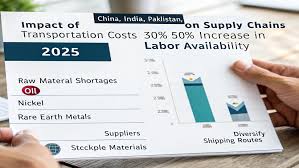 Die Auswirkungen globaler Konflikte auf Unterbrechungen der Lieferkette und steigende Transportkosten">

Understanding the Ripple Effects of Global Conflicts on Supply Chains
Global conflicts and geopolitical tensions are no longer distant news headlines; their effects trickle down to touch businesses and industries worldwide, especially the logistics and transport sectors. When supply chains get tangled by these disruptions, the repercussions are often felt in delays, soaring costs, and unpredictability in deliveries. This isn’t just about trucks or ships running late; it’s about a fundamental shakeup in how goods move from point A to B.
The Anatomy of Disruptions: What’s Really Going On?
Imagine a carefully planned train schedule suddenly thrown off course—this illustrates how conflicts cause interruptions. Transport routes become restricted or less reliable, forcing companies to reroute shipments or delay dispatches. Fluctuations in fuel prices, driven by instability in oil-producing regions, also add fuel to the fire by pushing operational costs higher.
Moreover, shifting regulatory frameworks prompted by geopolitical developments mean logistics providers constantly monitor and adapt to new import-export regulations und tariff structures. Trade policies don’t remain static in these situations; they evolve rapidly, requiring nimble responses to maintain compliance and keep expenses in check.
The Rising Costs and Their Domino Effect on Logistics
Once supply chains are rattled, the knock-on effect is price hikes throughout the Sendung lifecycle. Not only do companies have to shell out more for transportation, but the unpredictability causes inefficiencies that lead to higher operational expenses. This can include longer warehousing times, increased labor costs, and amplified insurance premiums for valuable or delayed cargo.
Here’s a quick snapshot of typical cost drivers:
| Cost Component | Impact of Conflicts | Consequences on Logistics |
|---|---|---|
| Fuel Prices | Volatile due to regional instability | Increased transport and haulage costs |
| Route Changes | Detours or delays because of restricted zones | Longer delivery times, higher mileage charges |
| Einhaltung von Vorschriften | Dynamic import-export rules, tariffs | Need for constant adaptation, possible fines |
| Inventory Holding | Delayed shipments force longer storage | Increased warehousing and handling costs |
| Insurance Premiums | Higher risk assessments during conflict periods | Greater expenditure for cargo protection |
Green Logistics and Sustainability in a Changing World
Adding another layer to the complexity is the increasing emphasis on sustainability and environmental compliance. Stricter Umweltvorschriften push logisticians to invest in greener technologies and adopt more transparent supply chain practices. It’s becoming clear that “business as usual” won’t cut it, as customers and authorities alike demand more eco-friendly operations, even during turbulent times.
This development aligns with the broader trend of adopting a triple bottom line approach, balancing economic, social, and environmental goals to ensure long-term resilience of supply chains.
Strategic Trade Realignments and Partnerships
In response to these challenges, companies pivot towards diversification of sourcing markets and reinforce partnerships in emerging regions to spread risk and avoid over-reliance on any single supplier or route. This strategic shuffle involves identifying and tapping into less-volatile regions, thus creating a more flexible procurement network.
Such trade realignments come with their own set of challenges and opportunities, requiring careful logistics planning and the ability to manage complex freight forwarding operations across multiple countries with varying regulations and infrastructures.
How This All Ties Into Modern Logistics Solutions
At the end of the day, managing supply chain shocks caused by global conflicts requires logistics services that are not only reliable but also adaptable and cost-effective. Platforms like GetTransport.com stand out by offering versatile transport options worldwide, from Büro- und Privatumzüge to the shipping of large items such as furniture, vehicles, and bulky freight. Their ability to connect shippers with affordable and efficient carriers worldwide aids businesses in navigating unpredictable landscapes smoothly.
Zusammenfassung der wichtigsten Punkte
- Global conflicts disrupt supply chains through route restrictions, regulatory changes, and fuel price volatility.
- Transportation costs inflate due to these disruptions, impacting logistics operations and shipping budgets.
- Nachhaltigkeitsbemühungen neue Anforderungen an umweltfreundlichere Logistikpraktiken angesichts steigenden operativen Drucks einführen.
- Diversifizierung der Handelsmärkte hilft, Risiken zu mindern, aber verkompliziert die Speditionsabwicklung und das Compliance-Management.
- Flexible, zuverlässige Logistiklösungen implementieren ist unerlässlich für Unternehmen, die darauf abzielen, Waren in einer volatilen Welt zuverlässig in Bewegung zu halten.
Erfahrung zählt mehr als Worte
Selbst mit umfassenden Bewertungen und ehrlichem Feedback gibt es nichts, das persönliche Erfahrung beim Beurteilen einer Logistiklösung übertrifft. Auf GetTransport.com können Kunden direkt mit einem globalen Netzwerk von Frachtanbietern zu wettbewerbsfähigen Preisen interagieren und so die Freiheit erlangen, fundierte Entscheidungen ohne Spekulationen oder versteckte Kosten zu treffen. Diese Art von Transparenz und Benutzerfreundlichkeit befähigt Spediteure, ihre Herausforderungen beim Umzug, der Relokation oder der Frachtlieferung selbstbewusst anzugehen.
Ob bei der Abwicklung internationaler Paketversandstücke, Containerabholungen oder dem Transport sperriger Güter, die umfangreichen Auswahlmöglichkeiten und der benutzerfreundliche Ansatz der Plattform machen sie zur ersten Wahl für alle, die Zuverlässigkeit in Kombination mit Erschwinglichkeit suchen. Buchen Sie Ihre Fahrt auf GetTransport.com und sehen Sie, welchen Unterschied eine nahtlose Logistik machen kann.
Looking Ahead: What This Means for Global Logistics
Die Auswirkungen globaler Konflikte auf Lieferketten dienen als Weckruf für die Logistikbranche weltweit. Obwohl diese Herausforderungen das gesamte globale Frachtsystem nicht über Nacht zum Einsturz bringen werden, zwingen die Störungen Unternehmen dazu, neu zu denken und zu erneuern, wie Waren über Grenzen hinweg versendet und verwaltet werden. Für Dienstleistungen wie GetTransport.com bedeutet es, mit diesen Entwicklungen Schritt zu halten, Netzwerke und Angebote kontinuierlich zu aktualisieren, um Kunden mit ununterbrochenen, effizienten und kostengünstigen Transportlösungen zu versorgen.
Da sich Lieferketten mit raschen geopolitischen und wirtschaftlichen Veränderungen weiterentwickeln, sind Unternehmen, die intelligente Logistikplattformen nutzen, besser darauf vorbereitet, sich anzupassen und erfolgreich zu sein. Beginnen Sie mit der Planung Ihrer nächsten Lieferung und sichern Sie Ihre Fracht mit GetTransport.com.
Fazit
Das Zusammenspiel zwischen globalen Konflikten und Logistik ist ein komplexer Tanz von Ursache und Wirkung, bei dem Störungen zu höheren Kosten führen und intelligentere Strategien für die Lieferkette erforderlich machen. Unternehmen müssen schwankende Kraftstoffkosten, regulatorische Änderungen und Nachhaltigkeitsanforderungen in Einklang bringen, während sie gleichzeitig die Beschaffung diversifizieren, um Risiken zu reduzieren. Lösungen mit flexibler, globaler Reichweite und Erschwinglichkeit – wie die von GetTransport.com angebotenen – vereinfachen die oft verschlungene Welt des Frachts, Versands und der Distribution.
Der Transport von Gütern, sei es Pakete, Paletten oder sperrige Waren, erfordert zuverlässige Partner, die die Feinheiten des internationalen Versands und die Bedeutung transparenter Preise verstehen. Durch die Wahl von Plattformen, die Komfort mit ausgedehnten globalen Netzwerken verbinden, können sowohl Unternehmen als auch Privatpersonen logistische Kopfschmerzen in reibungslose, pünktliche Lieferungen verwandeln – wodurch das gesamte Umzugs- oder Versandserlebnis ein wenig weniger wie eine Wildgansjagd und ein vieles mehr wie eine gut choreografierte Routine wird.