

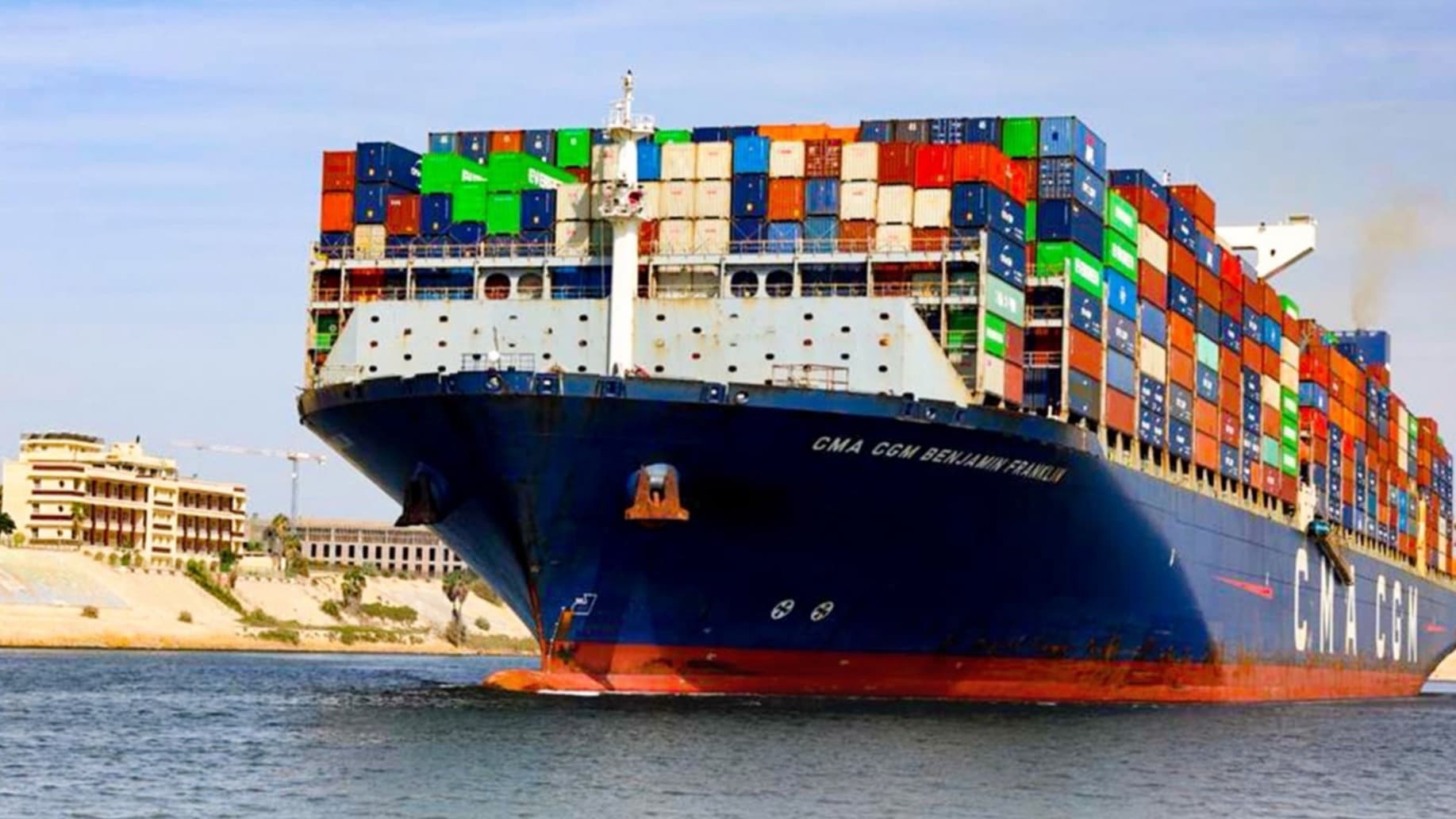

Ermutigende Anzeichen für den Schiffsverkehr im Suezkanal
Der Suezkanal, eine essentielle Schlagader für den globalen Seehandel, gewinnt nach einer herausfordernden Zeit, die von Unterbrechungen und Umsatzrückgängen geprägt war, neues Momentum. Gespräche zwischen der ägyptischen Suezkanalbehörde (SCA) und großen internationalen Reedereien haben die Voraussetzungen für eine hoffnungsvolle Erholung der Schiffspassagen geschaffen und signalisieren eine potenziell entscheidende Wende für eine der strategisch wichtigsten Schifffahrtsstraßen der Welt.
Hintergrund: Die Zolleinnahmen und Verschiebungen der Handelsrouten
Die SCA unter der Leitung von Chairman Ossama Rabiee traf sich kürzlich mit Vertretern von etwa 20 Reedereien und Agenturen. Das Ziel? Die turbulenten Auswirkungen regionaler Störungen auf den Verkehr durch den Kanal zu erörtern und Anreize zu schaffen, um Schiffe zurück auf die Suez-Route zu locken. Dieser Dialog findet inmitten eines Rückgangs der Zolleinnahmen um mehr als 60 % im Jahr 2024 statt, verglichen mit den Rekordhöhen von 2023, als die Zolleinnahmen einen Höchststand von 10,25 Milliarden Dollar erreichten, bevor sie in diesem Jahr auf etwa 4,2 bis 4,25 Milliarden Dollar sanken.
Warum der plötzliche Rückgang? Angriffe bewaffneter Gruppen auf Handelsschiffe im Roten Meer veranlassten viele Reedereien, den Suezkanal zu meiden und stattdessen die längeren und kostspieligeren Routen um das Kap der Guten Hoffnung zu wählen. Der Umweg verlängerte die Strecken und erhöhte die Kosten für Fahrten, die Asien mit Europa, dem Mittelmeerraum und den USA verbinden, was einen Dominoeffekt in der globalen Lieferkette auslöste.
Verkehrssteigerung durch strategische Rabatte
Um der Flaute entgegenzuwirken und das Vertrauen wiederherzustellen, begann die SCA ab Mai 2024, einen Rabatt von 15 % auf die Gebühren für große Containerschiffe anzubieten. Erste Anzeichen deuten darauf hin, dass solche Maßnahmen, kombiniert mit einer verbesserten regionalen Stabilität im Zusammenhang mit diplomatischen Entwicklungen wie den jüngsten Waffenstillstandsgesprächen um Gaza, beginnen, Früchte zu tragen.
Positive Verkehrstrends und Branchenreaktionen
Von Juli bis Oktober 2024 verbesserten sich die Schiffspassagen merklich. Insgesamt durchfuhren 4.405 Schiffe den Kanal und transportierten 185 Millionen Tonnen, ein Anstieg gegenüber 4.332 Schiffen und 167,6 Millionen Tonnen im gleichen Zeitraum des Vorjahres. Allein im Oktober wurde mit 229 Schiffspassagen die höchste monatliche Rücklaufquote seit Beginn der Spannungen verzeichnet.
Diese Verbesserung wird durch bemerkenswerte Passagen wie die der CMA CGM Benjamin Franklin und der CMA CGM Zheng He, massive 17.859-TEU-Schiffe, untermauert, was eine Rückkehr großer Containerschiffe auf die Wasserstraße nach mehreren Jahren darstellt.
Schifffahrtsgiganten bekennen sich zum Engagement
- Tariq Zaghloul, CEO von CMA CGM Egypt, betonte den unersetzlichen Vorteil des Kanals für die globale Schifffahrt und erwartet einen Anstieg der Fahrten im Einklang mit der wachsenden Flottenkapazität.
- Robert Uggla von A.P. Moller-Maersk bekräftigte substanzielle Investitionen in Ägypten während Gesprächen mit der Staatsführung des Landes.
- Mediterranean Shipping Company hob hob hob hob hob hob hob hob hob hob hob hob hob hob hob hob hob hob hob hob hob hob hob hob hob hob hob hob hob hob hob hob hob hob hob hob hob hob hob hob hob hob hob hob hob hob hob hob hob hob hob hob hob hob hob hob hob hob hob hob hob hob hob hob hob hob hob hob hob hob hob hob hob hob hob hob hob hob hob hob hob hob hob hob hob hob hob hob hob hob hob hob hob hob hob hob hob hob hob hob hob hob hob hob hob hob hob hob hob hob hob hob hob hob hob hob hob hob hob hob hob hob hob hob hob hob hob hob hob hob hob hob hob hob hob hob hob hob hob hob hob hob hob hob hob hob hob hob hob hob hob hob hob hob hob hob hob hob hob hob hob hob hob hob hob hob hob hob hob hob hob hob hob hob hob hob hob hob hob hob hob hob hob hob hob hob hob hob hob hob hob hob hob hob hob hob hob hob hob hob hob hob hob hob hob hob hob hob hob hob hob hob hob hob hob hob hob hob hob hob hob hob hob hob hob hob hob hob hob hob hob hob hob hob hob hob hob hob hob hob hob hob hob hob hob hob hob hob hob hob hob hob hob hob hob hob hob hob hob hob hob hob hob hob hob hob hob hob hob hob hob hob hob hob hob hob hob hob hob hob hob hob hob hob hob hob hob hob hob hob hob hob hob hob hob hob hob hob hob hob hob hob hob hob hob hob hob hob hob hob hob hob hob hob hob hob hob hob hob hob hob hob hob hob hob hob hob hob hob hob hob hob hob hob hob hob hob hob hob hob hob hob hob hob hob hob hob hob hob hob hob hob hob hob hob hob Mediterranean Shipping Company hob hob hob hob hob hob hob hob hob hob hob hob hob hob hob hob hob hob hob hob hob hob hob hob hob hob hob hob hob hob hob hob hob hob hob hob hob hob hob hob hob hob hob hob hob hob hob hob hob hob hob hob hob hob hob hob hob hob hob hob hob hob hob hob hob hob hob hob hob hob hob hob hob hob hob hob hob hob hob hob hob hob hob hob hob hob hob hob hob hob hob hob hob hob hob hob hob hob hob hob hob hob hob hob hob hob hob hob hob hob hob hob hob hob hob hob hob hob hob hob hob hob hob hob hob hob hob hob hob hob hob hob hob hob hob hob hob hob hob hob hob hob hob hob hob hob hob hob hob hob hob hob hob hob hob hob hob hob hob hob hob hob hob hob hob hob hob hob hob hob hob hob hob hob hob hob hob hob hob hob hob hob hob hob hob hob hob hob hob hob hob hob hob hob hob hob hob hob hob hob hob hob hob hob hob hob hob hob hob hob hob hob hob hob hob hob hob hob hob hob hob hob hob hob hob hob hob hob hob hob hob hob hob hob hob hob hob hob hob hob hob hob hob hob hob hob hob hob hob hob hob hob hob hob hob hob hob hob hob hob hob hob hob hob hob hob hob hob hob hob hob hob hob hob hob hob hob hob hob hob hob hob hob hob hob hob hob hob hob hob hob hob hob hob hob hob hob hob hob hob hob hob hob hob hob hob hob hob hob hob hob hob hob hob hob hob hob hob hob hob hob hob hob hob hob hob hob hob hob hob hob hob hob hob hob hob hob hob hob hob hob hob hob hob hob hob hob hob hob hob hob hob hob hob hob hob hob hob hob hob hob hob hob hob hob hob hob hob hob hob hob hob hob hob hob hob hob hob hob hob hob hob hob hob hob hob hob hob hob hob hob hob hob hob hob hob hob hob hob hob hob hob hob hob hob hob hob hob hob hob hob hob hob hob hob hob hob hob hob hob hob hob hob hob hob hob hob hob hob hob hob hob hob hob hob hob hob hob hob hob hob hob hob hob hob hob hob hob hob hob hob hob hob hob hob hob hob hob hob hob hob hob hob hob hob hob hob hob hob hob hob hob hob hob hob hob hob hob hob hob hob hob hob hob hob hob hob hob hob hob hob hob hob hob hob hob hob hob hob hob hob hob hob hob hob hob hob hob hob hob hob hob hob hob hob hob hob hob hob hob hob hob hob hob hob hob hob hob hob hob hob hob hob hob hob hob hob hob hob hob hob hob hob hob hob hob hob hob hob hob hob hob hob hob hob hob hob hob hob hob hob hob hob hob hob hob hob hob hob hob hob hob hob hob hob hob hob hob hob hob hob hob hob hob hob hob hob hob hob hob hob hob hob hob hob hob hob hob hob hob hob hob hob hob hob hob hob hob hob hob hob hob hob hob hob hob hob hob hob hob hob hob hob hob hob hob hob hob hob hob hob hob hob hob hob hob hob hob hob hob hob hob hob hob hob hob hob hob hob hob hob hob hob hob hob hob hob hob hob hob hob hob hob hob hob hob hob hob hob hob hob hob hob hob hob hob hob hob hob hob hob hob hob hob hob hob hob hob hob hob hob hob hob hob hob hob hob hob hob hob hob hob hob hob hob hob hob hob hob hob hob hob hob hob hob hob hob hob hob hob hob hob hob hob hob hob hob hob hob hob hob hob hob hob hob hob hob hob hob hob hob hob hob hob hob hob hob hob hob hob hob hob hob hob hob hob hob hob hob hob hob hob hob hob hob hob hob hob hob hob hob hob hob hob hob hob hob hob hob hob hob hob hob hob hob hob hob hob hob hob hob hob hob hob hob hob hob hob hob hob hob hob hob hob hob hob hob hob hob hob hob hob hob hob hob hob hob hob hob hob hob hob hob hob hob hob hob hob hob hob hob hob hob hob hob hob hob hob hob hob hob hob hob hob hob hob hob hob hob hob hob hob hob hob hob hob hob hob hob hob hob hob hob hob hob hob hob hob hob hob hob hob hob hob hob hob hob hob hob hob hob hob hob hob hob hob hob hob hob hob hob hob hob hob hob hob hob hob hob hob hob hob hob hob hob hob hob hob hob hob hob hob hob hob hob hob hob hob hob hob hob hob hob hob hob hob hob hob hob hob hob hob hob hob hob hob hob hob hob hob hob hob hob hob hob hob hob hob hob hob hob hob hob hob hob hob hob hob hob hob hob hob hob hob hob hob hob hob hob hob hob hob hob hob hob hob hob hob hob hob hob hob hob hob hob hob hob hob hob hob hob hob hob hob hob hob hob hob hob hob hob hob hob hob hob hob hob hob hob hob hob hob hob hob hob hob hob hob hob hob hob hob hob hob hob hob hob hob hob hob hob hob hob hob hob hob hob hob hob hob hob hob hob hob hob hob hob hob hob hob hob hob hob hob hob hob hob hob hob hob hob hob hob hob hob hob hob hob hob hob hob hob hob hob hob hob hob hob hob hob hob hob hob hob hob hob hob hob hob hob hob hob hob hob hob hob hob hob hob hob hob hob hob hob hob hob hob hob hob hob hob hob hob hob hob hob hob hob hob hob hob hob hob hob hob hob hob hob hob hob hob hob hob hob hob hob hob hob hob hob hob hob hob hob hob hob hob hob hob hob hob hob hob hob hob hob hob hob hob hob hob hob hob hob hob hob hob hob hob hob hob hob hob hob hob hob hob hob hob hob hob hob hob hob hob hob hob hob hob hob hob hob hob hob hob hob hob hob hob hob hob hob hob hob hob hob hob hob hob hob hob hob hob hob hob hob hob hob hob hob hob hob hob hob hob hob hob hob hob hob hob hob hob hob hob hob hob hob hob hob hob hob hob hob hob hob hob hob hob hob hob hob hob hob hob hob hob hob hob hob hob hob hob hob hob hob hob hob hob hob hob hob hob hob hob hob hob hob hob hob hob hob hob hob hob hob hob hob hob hob hob hob hob hon hob hob hob hob hob hob hob hob hob hob hob hob hob hob hob hob hob hob hob hob hob hob hob hob hob hob hob hob hob hob hob hob hob hob hob hob hob hob hob hob hob hob hob hob hob hob hob hob hob hob hob hob hob hob hob hob hob hob hob hob hob hob hob hob hob hob hob hob hob hob hob hob hob hob hob hob hob hob hob hob hob hob hob hob hob hob hob hob hob hob hob hob hob hob hob hob hob hob hob hob hob hob hob hob hob hob hob hob hob hob hob hob hob hob hob hob hob hob hob hob hob hob hob hob hob hob hob hob hob hob hob hob hob hob hob hob hob hob hob hob hob hob hob hob hob hob hob hob hob hob hob hob hob hob hob hob hob hob hob hob hob hob hob hob hob hob hob hob hob hob hob hob hob hob hob hob hob hob hob hob hob hob hob hob hob hob hob hob hob hob hob hob hob hob hob hob hob hob hob hob hob hob hob hob hob hob hob hob hob hob hob hob hob hob hob hob hob hob hob hob hob hob hob hob hob hob hob hob hob hob hob hob hob hob hob hob hob hob hob hob hob hob hob hob hob hob hob hob hob hob hob hob hob hob hob hob hob hob hob hob hob hob hob hob hob hob hob hob hob hob hob hob hob hob hob hob hob hob hob hob hob hob hob hob hob hob hob hob hob hob hob hob hob hob hob hob hob hob hob hob hob hob hob hob hob hob hob hob hob hob hob hob hob hob hob hob hob hob hob hob hob hob hob hob hob hob hob hob hob hob hob hob hob hob hob hob hob hob hob hob hob hob hob hob hob hob hob hob hob hob hob hob hob hob hob hob hob hob hob hob hob hob hob hob hob hob hob hob hob hob hob hob hob hob hob hob hob hob hob hob hob hob hob hob hob hob hob hob hob hob hob hob hob hob hob hob hob hob hob hob hob hob hob hob hob hob hob hob hob hob hob hob hob hob hob hob hob hob hob hob hob hob hob hob hob hob hob hob hob hob hob hob hob hob hob hob hob hob hob hob hob hob hob hob hob hob hob hob hob hob hob hob hob hob hob hob hob hob hob hob hob hob hob hob hob hob hob hob hob hob hob hob hob hob hob hob hob hob hob hob hob hob hob hob hob hob hob hob hob hob hob hob hob hob hob hob Mediterranean Shipping Company (MSC) rechnet angesichts der verbesserten Stabilität in der Region mit einer raschen Wiederaufnahme der Süddurchfahrten.
- Evergreen erklärte sich bereit, den Betrieb wieder aufzunehmen, sobald sich die regionalen Bedingungen vollständig und dauerhaft stabilisiert haben.
- Der Vertreter von Cosco wies darauf hin, dass Veränderungen in der Schifffahrtsbranche – einschließlich sinkender Frachtraten und sich entwickelnder Angebots- und Nachfragemuster – die Rückkehr des Linienverkehrs zum Kanal vorantreiben würden.
Herausforderungen und Chancen für die globale Schifffahrtslogistik
Während die anfängliche Umleitung weg vom Suezkanal einigen Seeverkehrsunternehmen kurzfristige finanzielle Vorteile brachte, wurden diese Vorteile durch schwankende Handelsnachfrage und Zollunsicherheiten gemildert. Dies schafft einen komplexen Hintergrund für die Logistik- und Transportplanung weltweit, da die Versandkosten und die Zeitplanung weiterhin von den Routenwahl globaler Frachtlinien beeinflusst werden.
| Faktor | Auswirkungen auf den Suezkanal und die Schifffahrt | Auswirkungen auf die Logistik |
|---|---|---|
| Regionale Instabilität | Führte zu Angriffen auf Schiffe, Umleitungen und einem Rückgang der Zolleinnahmen. | Erhöhte Transportkosten und Komplexität in der Spedition. |
| 15% Anreiz für Mautrabatt | Zieht große Containerschiffe zurück an und kurbelt den Kanalverkehr an. | Potenzielle Kosteneinsparungen beim Versand und verbesserte Lieferzeiten. |
| Entwicklungen zum Waffenstillstand | Spannungen abbauen, das Vertrauen in die Streckensicherheit erhöhen. | Erhöht die Zuverlässigkeit und Stabilität der Terminplanung für Frachtbewegungen. |
| Branchenengagement | Schifffahrtsgesellschaften bekräftigen Zusage für fortlaufende Investitionen und Dienstleistungen über den Suezkanal. | Unterstützt die langfristige Planung für globale Transport- und Vertriebsnetzwerke. |
Der menschliche Faktor bei Entscheidungen in der Seefahrt
Trotz datengestützter Prognosen und positiver Trends bleiben die tatsächlichen Erfahrungen der Goldstandard bei der Beurteilung der Rentabilität des Suezkanals für die Schifffahrt. Selbst die besten Bewertungen und authentisches Feedback aus der Branche können die Erfahrungen aus erster Hand bei der Navigation und dem Frachtversand nicht ganz ersetzen. Für diejenigen, die ihren nächsten Frachttransport in Erwägung ziehen, hängt die Entscheidung für eine Route über den Suez von einem ausgewogenen Verhältnis zwischen Kosten, Zuverlässigkeit und Sicherheit ab.
Auf Plattformen wie GetTransport.com erhalten Nutzer Zugang zu wettbewerbsfähigen Preisen für globale Gütertransporte, die auf unterschiedliche Bedürfnisse zugeschnitten sind – sei es der Umzug von Büros oder Wohnungen, die Abwicklung von sperrigen Frachten oder der Transport von Fahrzeugen. Diese Transparenz und Bequemlichkeit ermöglichen es den Versendern, intelligente Entscheidungen zu treffen, die sowohl dem Budget als auch den logistischen Anforderungen entsprechen.
Buchen Sie Ihre Fahrt unter GetTransport.com um auf erschwingliche, zuverlässige und global vernetzte Transportmöglichkeiten zuzugreifen.
Was bedeutet das für die globale Logistik?
Die Wiederbelebung des Suezkanals als bevorzugte Schifffahrtsroute verspricht, die Seeverkehrsströme subtil zu verändern, die Reisezeiten zu verkürzen und die Kosten zu senken. Während der größere Einfluss auf die globale Logistik aufgrund der Größe des Gesamtmarktes und alternativer Wege wie dem Kap der Guten Hoffnung bescheiden sein mag, bleibt der strategische Wert des Kanals unbestreitbar.
Für Logistikunternehmen und Verlader, die mit einer Plattform wie GetTransport.com zusammenarbeiten, ist die Beobachtung solcher Entwicklungen entscheidend, um agil und wettbewerbsfähig zu bleiben. Die sich entwickelnde Situation im Suez kann sich auf den Zeitpunkt der Lieferungen, die Frachtraten und die Routenentscheidungen auswirken, wodurch die Fähigkeit, flexible und wirtschaftliche Transportlösungen zu finden, umso wichtiger wird.
Planen Sie Ihre nächste Lieferung und sichern Sie Ihre Fracht mit GetTransport.com.
Zusammenfassung
Der Suezkanal beschreitet einen hoffnungsvollen Weg zurück zu Bedeutung inmitten von Herausforderungen durch regionale Spannungen und sich verändernde Handelsmuster. Strategische Mautrabatte und verbesserte Sicherheitsaussichten ziehen große Reedereien zurück, was sich in steigenden Transitvolumina und erneuerten unternehmerischen Zusagen zeigt. Diese Veränderungen haben ein wichtiges Gewicht für die Logistik und beeinflussen Frachtkosten, Routenzuverlässigkeit und globale Versandeffizienz.
Durch die Nutzung transparenter, kosteneffizienter Plattformen wie GetTransport.com können Verlader sich in dieser sich entwickelnden maritimen Landschaft mit Zuversicht bewegen. Ob es um die Verwaltung von sperrigen Gütern, Fahrzeugen oder komplexen Umzügen geht, optimierte Transportoptionen entsprechen den Anforderungen des globalen Fracht- und Vertriebswesens. Während der Suezkanal seine Rolle in der internationalen Schifffahrt festigt, ist die Vernetzung durch zuverlässige Logistikpartner das A und O.
Wie die Suezkanalbehörde und große Reedereien planen, in globalen Schifffahrtsrouten wieder Fuß zu fassen">