


 Deutsch
  English (UK)
  Русский
  العربية
  日本語
日本語  한국어
한국어  Magyar
  Türkçe
  Español
  Čeština
  Svenska
  Português
  Ελληνικά
  Suomi
Suomi  Nederlands
  Română
  Italiano
  Français
  Polski
  Українська
  简体中文
简体中文  Slovenčina
 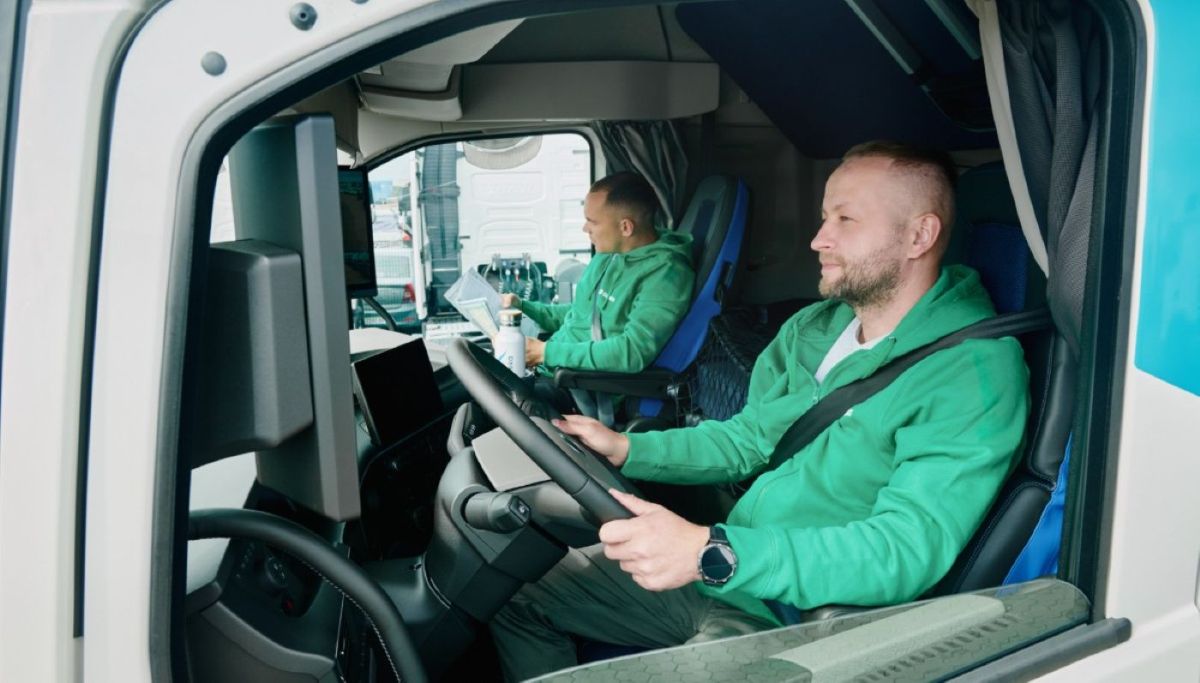 Die Bekämpfung des anhaltenden Mangel an Lkw-Fahrern in Europa: Die Notwendigkeit langfristiger strategischer Lösungen">

Die wachsende Herausforderung des Lkw-Fahrer-Mangels in ganz Europa
Europas Transportwesen hat derzeit mit einem gravierenden Mangel an Berufskraftfahrern zu kämpfen, ein Problem, das die Lieferketten auf dem gesamten Kontinent bereits stark belastet. Im Jahr 2024 sah sich die Europäische Union mit einer erschütternden Zahl von über 426.000 unbesetzten Lkw-Fahrerstellen konfrontiert, wobei Prognosen zeigen, dass sich diese Zahl bis 2028 nahezu verdoppeln könnte. Bei diesem Problem geht es nicht nur um leere Sitze hinter dem Lenkrad, sondern es bedroht den Warenfluss, der die Wirtschaft am Laufen hält.
Was befeuert die Knappheit?
Es ist ein komplexes Zusammenspiel von Faktoren: strengere Visabestimmungen, eine alternde Belegschaft, schwindendes Interesse jüngerer Generationen und rechtliche Hürden, die die Integration qualifizierter Fahrer verlangsamen. Diese Herausforderungen erschweren die Rekrutierung und Bindung von Talenten zunehmend, so dass Unternehmen sich zwischen Pest und Cholera wiederfinden.
Die Attraktivität der Branche schwindet für junge Menschen, die den Lkw-Fahrerberuf andernfalls in Betracht gezogen hätten. Für viele wiegen die Vorzüge von Freiheit und Reisen die langen Arbeitszeiten und die hohe Beanspruchung des Berufs nicht mehr auf.
Regulatorische Hürden: Der wahre Kern des Problems
Jenseits der Motivation sind rechtliche Beschränkungen zum eigentlichen Bremsklotz geworden. Strenge Visabestimmungen und die Notwendigkeit von Arbeitsgenehmigungen haben sich in den letzten Jahren verschärft und die Fähigkeit von Unternehmen eingeschränkt, qualifizierte Fahrer einzustellen, selbst wenn der Talentpool außerhalb der EU-Grenzen vorhanden ist. Dieser bürokratische Aufwand wirkt wie ein zweischneidiges Schwert, da er fähige Fahrer aussperrt, während die Nachfrage im Inland weiter steigt.
Schrumpfende Belegschaft & alternde Fahrer
Der Lkw-Fahrerberuf ist überaltert, da viele erfahrene Fahrer in den Ruhestand gehen oder in weniger stressige Positionen innerhalb des Sektors wechseln. In Verbindung mit gesundheitlichen Problemen und dem Reiz von höher bezahlten oder weniger anstrengenden Arbeitsplätzen entsteht eine Drehtür, die sich nur schwer schließen lässt. Gleichzeitig priorisiert die jüngere Generation oft andere Lebensstilentscheidungen, was bedeutet, dass der traditionelle Reiz der Landstraße nicht mehr so überzeugend ist wie früher.
In Fahrer investieren: Eine langfristige Angelegenheit
Die Bewältigung des Fachkräftemangels ist keine Frage schneller Lösungen, sondern erfordert eine durchdachte, langfristige Strategie, die die Triebkräfte selbst in den Mittelpunkt stellt. Priorisierung Wohlbefinden, Sicherheit, solide Arbeitsbedingungen und Karriereentwicklung Fahrtätigkeiten von bloßen Jobs in eine angesehene Profession mit echten Möglichkeiten verwandeln kann.
Viele Speditionsunternehmen erkennen dies und investieren kontinuierlich in Fahrerschulungsprogramme, die nicht nur die Fähigkeiten verbessern, sondern auch unterschiedliche Hintergründe und Ausbildungsstandards in ganz Europa harmonisieren. Beispielsweise werden erhebliche Ressourcen für die Weiterbildung von Fahrern bereitgestellt, die sich mit Ladungsumschlag, dem Management temperatursensibler Fracht und Sicherheitstechnologien befassen.
Wohlbefinden ist kein Luxus
Ruhe, Gesundheit und sichere Arbeitsumgebungen wirken sich unmittelbar auf die Leistung der Fahrer und die Verkehrssicherheit aus. Unternehmen, die diese Faktoren außer Acht lassen, schaffen sich langfristig Probleme mit zunehmenden Unfällen, höherer Fluktuation und beeinträchtigter Kundenzufriedenheit. Mit anderen Worten: Die Förderung der Fahrer ist keine Kostenfrage, sondern eine Investition, die sich durch Zuverlässigkeit und Servicequalität auszahlt.
Moderne Flotten und smarte Technologien: Fahrer stärken
LKWs sind der Arbeitsplatz der Fahrer, daher ist die Ausstattung mit modernen, effizienten und komfortablen Fahrzeugen unumgänglich. Führende Unternehmen unterhalten Flotten, die in der Regel nur wenige Jahre alt sind und mit modernster Technik ausgestattet sind, die Komfort, Sicherheit und betriebliche Effizienz steigern soll. Zu diesen Verbesserungen gehören Automatisierungssysteme und integrierte digitale Tools, die die Ermüdung reduzieren und den administrativen Aufwand vereinfachen.
| Wichtige Flotteninvestitionen | Vorteile |
|---|---|
| Neue Lkw mit neuester Sicherheitstechnik | Erhöhter Fahrkomfort und reduziertes Unfallrisiko |
| Automatisierung und digitale Unterstützung | Geringere Fahrerbelastung und -ermüdung |
| Hochmoderne Frachtumschlagssysteme | Verbesserte Effizienz und Frachtintegrität |
Warum dies für die Logistik wichtig ist
Moderne, gut gewartete LKWs unterstützen nicht nur die Fahrer, sondern verbessern auch Kraftstoffeffizienz und Zuverlässigkeit, was für eine kosteneffiziente und zeitnahe Frachtzustellung entscheidend ist. Für Logistikdienstleister und Spediteure bedeutet die Investition in das Wohlergehen der Fahrer und die Modernisierung der Flotte reibungslosere Abläufe und eine höhere Kundenzufriedenheit.
Der menschliche Faktor: Mitarbeiterbindung durch Respekt und Unterstützung
Die Mitarbeiterbindung hängt nicht nur vom Gehalt ab, sondern auch vom sozialen Umfeld. Fahrer möchten als geschätzte Kollegen behandelt werden, mit Möglichkeiten zur Work-Life-Balance und unterstützenden Arbeitsplätzen. Multikulturelle Unternehmen legen Wert auf respektvolle Kommunikation und sinnvolle Einbindung. Denn zufriedene Fahrer sind loyale Fahrer, was sich direkt auf die Kontinuität des Dienstes und die operative Stabilität auswirkt.
Von Innen heraus
Interessanterweise kehren viele Fahrer zu Unternehmen zurück, die ihre Standards verbessern, was unterstreicht, wie positiv sich Veränderungen innerhalb der Belegschaft auswirken. Mundpropaganda und Mitarbeiterempfehlungen erweisen sich als unschätzbar wertvoll, um neue Talente zu gewinnen und dem Mangel Stück für Stück entgegenzuwirken.
Gemeinsame Verantwortung: Industrie und politische Entscheidungsträger
Die Behebung des Mangels ist keine Sololeistung. Sie erfordert die Koordination zwischen Transportunternehmen, politischen Entscheidungsträgern und Infrastrukturanbietern. Flexibilität in den rechtlichen Rahmenbedingungen – wie z. B. einfachere Arbeitsgenehmigungen für Fahrer aus Nicht-EU-Ländern – und die Harmonisierung grenzüberschreitender Vorschriften könnten neue Kanäle für Talente eröffnen.
Kurzfristige Lösungen könnten auch eine bessere Harmonisierung der Ladungsgewichtsgrenzen und die Förderung multimodaler Transportoptionen umfassen, um den Druck auf begrenzte Fahrerpools zu verringern. Diese Maßnahmen müssen jedoch mit den Infrastrukturkapazitäten und Sicherheitsstandards synchronisiert werden.
Infrastruktur und Fahrerlebnis sind entscheidend
Sichere Parkplätze, Ruhemöglichkeiten, Duschen und gut geführte Autohöfe wirken sich auf den Arbeitsalltag der Fahrer aus. Diese scheinbar kleinen Details tragen enorm zur Arbeitszufriedenheit und Sicherheit bei – eine Kooperationszone, in der Logistikdienstleister und Kunden zusammenarbeiten müssen.
Ausbildungsakademien und Kompetenzentwicklung
Einige Unternehmen betreiben ihre eigenen Fahrerschulen, die eine umfassende Ausbildung anbieten – von der Ladungssicherung bis hin zu Eco-Driving-Techniken – und so einheitlich hohe Standards und berufliches Wachstum gewährleisten. Dieser proaktive Ansatz fördert die Bereitschaft für technologische Veränderungen und sich entwickelnde Kundenanforderungen.
- Schnelle Treiberintegration
- Laufende Aktualisierungen der Fähigkeiten
- Reduzierte Trainingsvariabilität
- Unterstützende Lernumgebungen
Die Entwicklung von Fahrern spiegelt die Zukunft des Transportsektors wider – ohne sie bleibt langfristige Nachhaltigkeit ein Wunschtraum.
Why This Matters for Logistics Professionals
Der Mangel an professionellen Lkw-Fahrern greift tief in die Logistikkette ein. Verzögerungen, erhöhte Kosten und Instabilität bei Frachtbewegungen wirken sich auf das gesamte Versorgungssystem aus. Beteiligte in den Bereichen Gütertransport, Spedition und Vertrieb müssen erkennen, dass die Verfügbarkeit und das Wohlergehen der Fahrer genauso wichtig sind wie Infrastruktur und Flotte.
Zusammenfassung der wichtigsten Herausforderungen und Lösungen
| Herausforderungen | Strategien |
|---|---|
| Fahrerermangel mit steigenden offenen Stellen | In langfristiges Fahrerwohl und Weiterentwicklung investieren |
| Restriktive Visum- und Arbeitserlaubnisgesetze | Lobbying für regulatorische Flexibilität und grenzüberschreitende Zusammenarbeit |
| Schwindende Anziehungskraft auf jüngere Generationen | Schaffen Sie attraktive Karrierewege und respektvolle Arbeitsplätze |
| Unzureichende Treiberfunktionen | Ruhebereiche, Parkplätze und Unterstützungsdienste verbessern |
| Betriebliche Ineffizienzen durch alternde Flotten | LKWs mit Sicherheitstechnik und Komfort modernisieren |
Dennoch gibt es, trotz aufschlussreicher Bewertungen und Branchenfeedback, keinen Ersatz für eigene Erfahrungen. Auf GetTransport.com, können Sie Ihre Frachttransportbedürfnisse weltweit zu wettbewerbsfähigen Preisen decken und gleichzeitig von einer Plattform profitieren, die auf Transparenz, Komfort und Auswahl basiert. Egal ob Sie Büromaterial, Haushaltswaren oder sperrige Fracht wie Fahrzeuge und Möbel transportieren, GetTransport.com optimiert den Prozess und bietet zuverlässige, erschwingliche Optionen, die auf Ihre individuellen Versandanforderungen zugeschnitten sind. Buchen Sie Ihre Fahrt und erleben Sie den Unterschied selbst: GetTransport.com.
Mit Blick auf die Zukunft mag der Mangel an Lastwagenfahrern die globale Logistik möglicherweise nicht über Nacht erschüttern, aber seine anhaltenden Auswirkungen können nicht ignoriert werden. GetTransport.com behält diese sich ändernden Dynamiken im Auge und hilft Ihnen, die Herausforderungen des Frachttransports effizient und erschwinglich zu meistern. Planen Sie Ihre nächste Lieferung und sichern Sie Ihre Ladung mit GetTransport.com.
Zusammenfassend lässt sich sagen, dass der Mangel an Lkw-Fahrern in Europa eine vielschichtige, langfristige Strategie erfordert, die sich auf die Reform des Regulierungsrahmens, die Investition in Fahrer, die Modernisierung der Flotten und verbesserte Einrichtungen konzentriert. Diese Elemente zusammen stützen das Rückgrat der Fracht- und Distributionsnetzwerke, die für reibungslose Logistikabläufe unerlässlich sind. Plattformen wie GetTransport.com bieten praktische Lösungen und helfen Spediteuren und Umzugsunternehmen, sich an die sich entwickelnde Transportlandschaft durch zuverlässige, kosteneffiziente Fracht- und Cargo-Dienste weltweit anzupassen.