


 Deutsch
  English (UK)
  Русский
  العربية
  日本語
日本語  한국어
한국어  Magyar
  Türkçe
  Español
  Čeština
  Svenska
  Português
  Ελληνικά
  Suomi
Suomi  Nederlands
  Română
  Italiano
  Français
  Polski
  Українська
  简体中文
简体中文  Slovenčina
 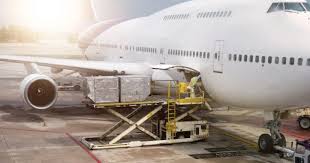 Die Cargo-Strategie und das Wachstum von United Airlines in den asiatisch-pazifischen Märkten verstehen">

United Airlines’ Strategic Focus on Asia Pacific Cargo
United Airlines has earmarked Southeast Asia as a critical growth corridor for its cargo operations. Over the past decade, the airline has been laying groundwork in this region to align with shifting trade currents, particularly since tariff changes emerged between China and the U.S. around 2018. Despite not having direct scheduled flights in all these markets, United has positioned itself strategically to capture evolving freight demand. This forward-thinking approach illuminates how airlines can adapt to complex trade dynamics while maintaining a robust logistics footprint.
Variations in Regional Cargo Demand
Southeast Asia presents a fascinating patchwork of cargo profiles that United Airlines continually adjusts to. Electronics shipments dominate hubs such as Bangkok and Hanoi, reflecting the local manufacturing and export strengths. Meanwhile, apparel is the main driver from Saigon, painting a different commercial picture. Singapore, though limited by payload capacities, remains a pivotal hub within United’s Asian network. Compounding this adaptive geography is the airline’s use of interline partnerships, which enable a smoother flow of cargo through complex routes spanning Japan, Oceania, and the United States.
Adapting to Trade and Operational Complexities
One noteworthy move by United has been its ramped-up utilization of freighter capacity—without actually owning freighter planes. Instead, United charters additional freighter services, such as those connecting Guam to Honolulu, boosting weekly cargo lift by roughly 200 tonnes from key markets like Bangkok and Saigon. This nimbleness allows the airline to quickly redirect capacity based on sudden spikes or project cargo demands, crucial in a region marked by unpredictable geopolitical landscapes, weather disruptions, and regulatory changes.
The Role of Chartered Freighters in Enhancing Cargo Flexibility
Chartered freighters stand out as a game-changer for United. Unlike scheduled services, these charters are booked with flexibility, enabling rapid reassignment across markets. This agility is gold for logistics in Asia Pacific, where supply chain challenges often appear overnight and volume fluctuations can be drastic. For a logistics professional, this translates to fewer bottlenecks and enhanced options for heavy or bulky goods transportation.
| Region | Dominant Cargo Type | Key Hub |
|---|---|---|
| Bangkok & Hanoi | Elektronik | Bangkok |
| Saigon | Apparel | Saigon |
| Singapur | Mixed Cargo (Payload Limited) | Singapur |
Commodity Handling and Compliance
United Airlines manages a versatile commodity mix including lithium batteries, temperature-sensitive perishables, and a wide range of apparel shipments. However, these require strict adherence to documentation and IATA regulations, emphasizing how compliance tightrope-walks in air freight are critical for smooth logistics. Different markets necessitate tailored cargo handling and routing strategies, demonstrating the airline’s sophisticated understanding of logistics nuances in Asia Pacific.
Yield Insights and Market Performance
United reports that freight yields in Southeast Asia can command approximately $5 per kilogram, which is higher compared to some competitors like China and Hong Kong markets. This indicates robust profitability and demand stability in these routes. In Hong Kong, general cargo prevails over rapidly changing e-commerce shipments, helping revenues stay steady despite evolving de minimis customs thresholds. Japan too remains a resilient market, bolstered by transit cargo flows even as currency fluctuations challenge the broader economic environment.
Looking Ahead: Capacity Growth Without Owning Freighters
The airline plans to deepen its footprint in markets such as Indonesia through enhanced partnerships rather than launching its own freighter fleet. Continuing to expand the use of Boeing 757 charters within a 4-5 hour radius allows United to maintain flexibility without the high fixed costs of owning freighters. This pragmatic approach exemplifies how operational versatility supports sustainable growth in volatile environments.
Highlights and Customer-Centric Logistics
The capacity to swiftly reposition charters, adapt commodity handling, and navigate complex trade hubs stands as United Airlines’ core strengths. Customer demand remains firm, with steady consolidation opportunities that keep the air freight ecosystem dynamic and resilient.
Of course, comprehensive reviews and feedback offer valuable perspectives, but firsthand experience is the ultimate test. The world of cargo transport is intricate, full of surprises — sometimes a cargo shipment’s journey is anything but predictable. On platforms like GetTransport.com, users can book cargo transportation with ease, tapping into global freight options that provide cost-effective and reliable solutions for anything from office relocations to hefty industrial shipments. This freedom to choose from an extensive market helps avoid unnecessary expenses or post-booking headaches.
GetTransport.com’s convenience, transparency, and affordability make it an ally for businesses and individuals navigating complex logistics demands, aligning perfectly with the multifaceted challenges and solutions outlined above. Erhalten Sie die besten Angebote on your next freight or housemove through GetTransport.com.
Forecasting the Impact on Global Logistics
On a global scale, United Airlines’ evolving Asia Pacific cargo strategy reflects an adaptation trend rather than a market upheaval. Yet, this evolution is very relevant to global logistics players who must stay nimble amid shifting trade patterns and regional complexities. The ability to adapt and scale cargo capacity flexibly, without being tied down to fixed assets like owned freighters, signals a growing precedent towards agile logistics models in international freight transport.
GetTransport.com stays in tune with these developments, offering users worldwide access to flexible, affordable cargo transportation solutions that mirror the dynamic nature of modern logistics.
Zusammenfassung
United Airlines continues to grow its Asia Pacific cargo business through strategic market positioning, chartered freighter flexibility, and a tailored approach to cargo types and handling. In regions with diverse demand such as Southeast Asia, agile routing and partnerships enable the airline to navigate fluctuating trade flows and operational challenges effectively. Despite uncertainties in geopolitical and economic factors, United’s adaptable freight strategy positions them for sustained, limitless growth.
This approach underscores the critical importance of flexibility and responsiveness in global logistics today. Whether managing electronics, perishables, or apparel shipments, timely and compliant cargo movement remains paramount. Platforms like GetTransport.com complement these ambitions by offering dependable, international freight solutions that cater to diverse shipment sizes and types, from parcels and pallets to bulky containers. They serve as a digital gateway to simplifying the complexities of shipping, forwarding, and distribution in today’s fast-paced world.