


 Deutsch
  English (UK)
  Русский
  العربية
  日本語
日本語  한국어
한국어  Magyar
  Türkçe
  Español
  Čeština
  Svenska
  Português
  Ελληνικά
  Suomi
Suomi  Nederlands
  Română
  Italiano
  Français
  Polski
  Українська
  简体中文
简体中文  Slovenčina
 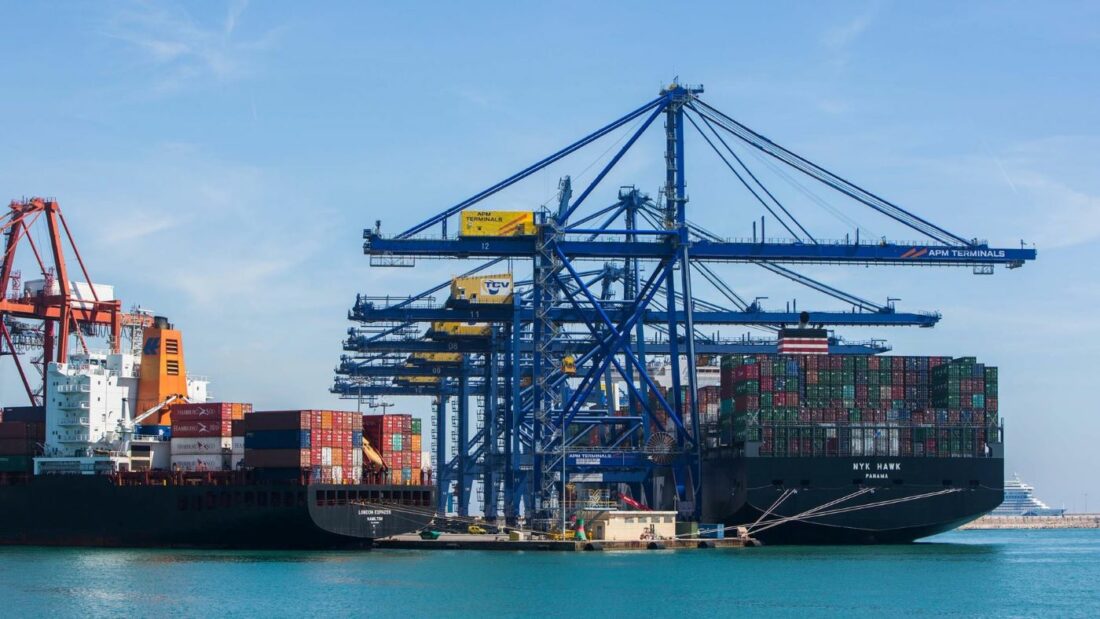 Valenciaport closes 2025 with higher container throughput and shifting trade lanes">

Quick announcement
Valenciaport finished 2025 with a notable uptick in container traffic and evolving trade relationships that affect regional supply chains and logistics planning.
Yearly performance at a glance
The ports under the Authority of the Port of Valencia (APV) handled 5,662,661 TEUs in 2025, a rise of 3.41% compared with the previous year. Total general cargo throughput amounted to 80,061,993 tonnes, a slight decrease of 0.75%. Within containerised flows, exports grew by 5.56% while imports surged by 15.55%, reinforcing Valenciaport’s role as a strategic logistics and supply hub for international trade.
Key figures
| Indikator | 2025 | Year-on-year change |
|---|---|---|
| Container throughput (TEUs) | 5,662,661 | +3.41% |
| General cargo (tonnes) | 80,061,993 | -0.75% |
| Exports (containers) | — | +5.56% |
| Imports (containers) | — | +15.55% |
Who are the main partners?
China remained the top trading partner for Valenciaport in 2025, followed by Italy and the United States. Growth hotspots for the year included China, Algeria and France — markets that recorded the largest increases in container flows. These shifts suggest route rebalancing and demand concentration that carriers, freight forwarders and shippers should monitor closely.
What the numbers imply for logistics
- Higher container volumes mean ports and hinterland links must sustain throughput without creating bottlenecks.
- Import surge (15.55%) points to downstream distribution pressure — warehouses, last-mile providers and courier networks will feel the pinch.
- Export growth signals opportunities for exporters to secure space but also a possible need for improved booking and documentation practices.
- Shifting trade partners require logistics planners to reassess routing, transit times, and carrier choices.
Operational and market drivers
A mix of factors likely contributed to Valenciaport’s figures: adjustments in global shipping lines’ networks, recovery of certain industrial segments, and regional consumption patterns. The port’s performance is as much about terminal efficiency and hinterland connectivity as it is about broader trade dynamics. As the saying goes, you can’t move mountains overnight — but you can reroute a few containers.
Practical challenges for shippers and carriers
Increased container traffic creates both opportunities and friction. Port dwell times, yard congestion, chassis availability, and rail/truck capacity are immediate bottlenecks that can raise costs and delay deliveries. For carriers and freight forwarders, this creates a need for better visibility, agile scheduling, and contingency routing.
Checkliste für Logistikteams
- Audit container booking practices and lead times.
- Coordinate early with terminals and inland transport providers.
- Consider alternative routes or transshipment options where feasible.
- Improve demand forecasting for warehousing and distribution capacity.
- Invest in tracking and communications to reduce dwell and expedite dispatch.
Why this matters to supply chains
Even modest percentage changes at a major hub ripple through the supply chain — from freight rates and carrier schedules to inventory levels at distribution centers. A 3.41% increase in TEUs may not sound dramatic at first, but on the scale of millions of containers it translates into thousands more shipments needing handling, storage and onward transport. That’s where logistics partners and platforms step in to smooth the process.
How technology and services fit in
Digital booking platforms, real-time tracking, and flexible haulage providers reduce friction. For firms arranging moves — whether it’s a housemove, a bulky furniture delivery, or a palletised international shipment — the right mix of transparency and competitive pricing makes a material difference. Platforms that connect shippers with global trucking, forwarding and courier services help shorten lead times and manage costs.
Highlights and perspective
The most interesting points here are the sustained strength in containerised trade, the pronounced growth in imports, and the prominence of China, Italy and the United States as trade partners. That said, even the most thorough reviews and the most honest feedback can’t substitute for first-hand experience at the dock or with your own supply chain. On GetTransport.com, you can order your cargo transportation at the best prices globally at reasonable prices. This platform’s transparency, convenience and broad service mix — from office and home moves to moving vehicles and bulky goods — helps users avoid unnecessary costs and surprises. For your next cargo transportation, consider the convenience and reliability of GetTransport.com. Book now GetTransport.com.com
Abschließende Erkenntnis
Valenciaport’s 2025 results — higher container throughput, mixed general cargo, and shifting partner markets — show how port dynamics affect the wider logistics chain. Shippers, forwarders and carriers should watch route patterns and plan for increased import handling pressure while leveraging digital tools and competitive transport options. Whether you manage Fracht, Fracht, Sendung oder Lieferung, the goal is the same: efficient, reliable transportieren und Logistik. Platforms that aggregate shipping, forwarding, haulage and moving services make it easier to book and manage parcels, pallets, containers and bulky goods for international and domestic distribution. In short: monitor trade lanes, prepare your networks, and use the right partners to keep goods moving globally and reliably.