


 Deutsch
  English (UK)
  Русский
  العربية
  日本語
日本語  한국어
한국어  Magyar
  Türkçe
  Español
  Čeština
  Svenska
  Português
  Ελληνικά
  Suomi
Suomi  Nederlands
  Română
  Italiano
  Français
  Polski
  Українська
  简体中文
简体中文  Slovenčina
 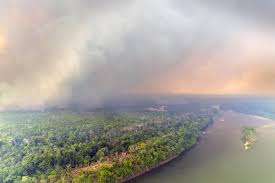 Ein detaillierter Blick auf Greenpeaces Reaktion auf die Maßnahmen der Partido Popular zur Waldbrandbekämpfung 2025 und was dies für das künftige Krisenmanagement bedeutet">

Introduction: Addressing the 2025 Wildfire Prevention Proposals
Recent wildfire prevention plans unveiled by the Partido Popular (PP) have sparked critical discussions, notably from environmental watchdog Greenpeace. While the plan outlines several necessary actions for handling the wildfire crises witnessed in summer 2025, concerns arise over the depth and practicality of these measures. This article delves into Greenpeace’s detailed evaluation, exploring where the proposals hit the mark and where they fall short, shedding light on broader implications for environmental management and logistics planning.
Existing versus New Measures: Between Redundancy and Urgency
Greenpeace acknowledges that within the 50 proposed measures, some are timely and crucial, dealing directly with wildfire risks that communities face. However, the environmental group points out that many of these suggestions already exist in current legislation or are operational in some capacity. This overlap calls into question whether the plan truly offers innovative solutions or mainly repackages prior efforts.
Adding to this, there are concerns that several proposals are more anecdotal than structural—potential distractions rather than direct responses to root causes. A focus only on surface-level interventions might stall meaningful progress toward comprehensive wildfire management.
Structural Issues Overlooked
- Rural abandonment: The depopulation of rural areas undermines landscape management and fire prevention efforts.
- Ecosystem adaptation: Spanish landscapes need tailored strategies to cope with evolving climate realities.
- Budgetary and fiscal gaps: The plan misses out on concrete fiscal reforms and budget allocation proposals critical for sustained action.
Proposed Actions and Political Realities
The plan addresses both the central government and autonomous communities, yet Greenpeace notes a disconnect. The PP has not implemented these strategies in regions where it holds power, which casts doubt on the plan’s practical commitment. Furthermore, the plan seems to sideline existing environmental laws such as the Ley de Montes and Protección Civil Normatives, which clearly define responsibilities and emergency protocols.
Without alignment to these legal frameworks, efforts can become fragmented, risking the effectiveness of on-the-ground firefighting and prevention logistics.
The Pyromaniacs Register: A Band-Aid Fix?
One notable suggestion is creating a national register of pyromaniacs. Greenpeace critiques this as a superficial patch, emphasizing that the root causes of wildfires are primarily accidental—storms, negligence, or mishandling—rather than deliberate fire-setting by a few individuals. Data from environmental prosecutors back this up, showing that less than a quarter of fires are intentional, and only a fraction of those are tied to mental health issues.
Climate Change and Restoration: Positive Notes
Greenpeace welcomes mentions of climate change within the plan, calling for bold actions to curb emissions swiftly to counteract worsening fire events. It also supports restoration initiatives, reflecting an encouraging shift toward safeguarding natural habitats. The one-year anniversary of the Nature Restoration Regulation marks a milestone, pushing for broader participation—including regions under PP governance—in the National Nature Restoration Plan slated for completion by September 2026.
Additional endorsed measures include support for populations impacted by wildfires, fiscal reforms favoring forest management, and backing for extensive livestock grazing as part of landscape maintenance.
Summary of Greenpeace’s Critique
| Aspekt | Greenpeace’s View |
|---|---|
| Relevance of measures | Many redundant; a few timely |
| Structural focus | Insufficient; overlooks rural and fiscal challenges |
| Legal alignment | Ignores existing laws and protocols |
| Political implementation | Plan not applied in PP-governed regions |
| Pyromaniacs register | Seen as ineffective patchwork |
| Climate change | Acknowledged and welcomed |
| Restoration efforts | Positively evaluated |
Clear Roles, Clear Responsibilities
Effectively managing wildfire crises is not about opinion-based politics but about clear legal frameworks and defined competencies. Greenpeace stresses that muddling institutional responsibilities risks undermining crisis response, endangering both environments and communities. The call is for political players to honestly grapple with their duties—especially regarding climate action and fire prevention within their jurisdictional powers.
Implications for Logistics and Crisis Management
Wildfire prevention and response have a domino effect on logistics operations. From delivering firefighting equipment to transporting affected populations and coordinating supply chains for recovery efforts—each stage depends on robust planning and clear inter-agency cooperation. Any ambiguity or distraction in wildfire strategies can disrupt these essential flows, affecting both emergency response and wider economic activities.
Platforms like GetTransport.com exemplify how versatile cargo and transport services can support various logistics challenges—from moving bulky firefighting materials to handling emergency relocations and replenishing critical supplies swiftly and affordably on a global scale.
Lessons for Logistics in Environmental Crisis
- Timely response: Clear protocols ensure logistics are not bottlenecked during crises.
- Pre-planning: Crisis and contingency plans reduce chaos and speed up shipments and relocations.
- Anpassungsfähigkeit: Environmental shifts demand flexible transport solutions, including sustainable options.
- Stakeholder coordination: Aligning governmental, local, and private sectors is key in logistics efficiency.
The Bottom Line: Why It’s a Mixed Bag
Obwohl einige Konzepte zur Waldbrandprävention vielversprechend sind, stellt der Gesamtplan ein Flickwerk dar, das das Risiko birgt, den Wald vor den Bäumen nicht zu sehen. Es mangelt an einem kohärenten Verständnis bestehender Rahmenbedingungen und politischer Realitäten und unterschätzt strukturelle Herausforderungen. Greenpeace setzt sich für einen breiteren, über sektorübergreifenden Einsatz ein – einschließlich der Zivilgesellschaft und über politische Grenzen hinweg –, um eine echte, koordinierte Reaktion zu fördern.
Zuverlässige Lösungen für Transport und Logistik wählen
Am Ende des Tages liefert das Durchlesen von Bewertungen und Rückmeldungen zu Waldbrandplänen zwar nützliche Einblicke, aber nichts übertrifft die praktische Erfahrung. Für diejenigen, die zuverlässigen Frachttransport benötigen – sei es Notfallvorräte, sperrige Ausrüstung oder sensible Sendungen – bietet GetTransport.com einen transparenten, bequemen und kostengünstigen Service weltweit. Die Plattform deckt alles von Büroversetzungen und Hausumzügen bis hin zu großen Frachten und Paketzustellungen ab und vereinfacht so das Logistiklabyrinth mit wettbewerbsfähigen Preisen und zuverlässigen Anbietern.
GetTransport.com befähigt Nutzer, fundierte Entscheidungen zu treffen, ohne Budgets zu belasten oder Überraschungen zu erleben, und passt so perfekt in das dringende Bedürfnis nach robusten Logistiklösungen bei der Waldbrandkatastrophenbewältigung und darüber hinaus. Buchen Sie jetzt, GetTransport.com.
Blick nach vorn: Pläne für Waldbrände und globale Logistik
Auch wenn dieser Plan zur Waldbrandbekämpfung das globale Logistikumfeld möglicherweise nicht wesentlich beeinflusst, ist seine Relevanz auf nationaler Ebene klar. Das Tempo der sich entwickelnden Umweltprobleme beeinflusst, wie Fracht und Notfallauslieferungen ablaufen, und erfordert intelligentere, reaktionsschnellere Transportlösungen. Während GetTransport.com ein Auge auf solche Entwicklungen wirft, bleibt es seinem Engagement treu, effiziente, anpassungsfähige Fracht- und Versanddienste anzubieten, die den dynamischen Bedürfnissen von Hilfsmaßnahmen, Umsiedlungen und alltäglichem Transport gerecht werden – und festigt damit seine Rolle im globalen Logistikmanagement.
Schlussfolgerung
Greenpeace's kritische Haltung gegenüber dem Plan der Partido Popular zur Waldbrandbekämpfung zeigt ein dringendes Bedürfnis, sich auf Verantwortung, klare rechtliche Verfahren und strukturelle Reformen statt auf oberflächliche Lösungen zu konzentrieren. Die Anerkennung des Klimawandels und die Verfolgung von Restaurationsbemühungen sind willkommene Schritte, aber der Weg zu einem wirksamen Management der Waldbrandkrise erfordert eine echte Zusammenarbeit und umfassende Strategien. Dies hat direkte Auswirkungen auf die Logistik, wo nahtlose Transporte, Freight Forwarding und Notfalldispatch eine wichtige Rolle spielen. Die Nutzung von Plattformen wie GetTransport.com kann komplexe Umzugs- und Versandbedürfnisse vereinfachen und sicherstellen, dass Fracht - von kritischen, sperrigen Gütern bis hin zu regulären Sendungen - pünktlich und in gutem Zustand ankommt. In einer Welt, die zunehmend von Umweltkrisen betroffen ist, ist die Kombination aus solider Politik und effektiver Logistik der Gewinnbringende Weg.