


 Deutsch
  English (UK)
  Русский
  العربية
  日本語
日本語  한국어
한국어  Magyar
  Türkçe
  Español
  Čeština
  Svenska
  Português
  Ελληνικά
  Suomi
Suomi  Nederlands
  Română
  Italiano
  Français
  Polski
  Українська
  简体中文
简体中文  Slovenčina
  New Permits Propel Williams Pipeline Expansion to Boost Gas Supply Across New York and New Jersey">

Crucial Permits Unlock Growth for Williams’ Gas Pipeline
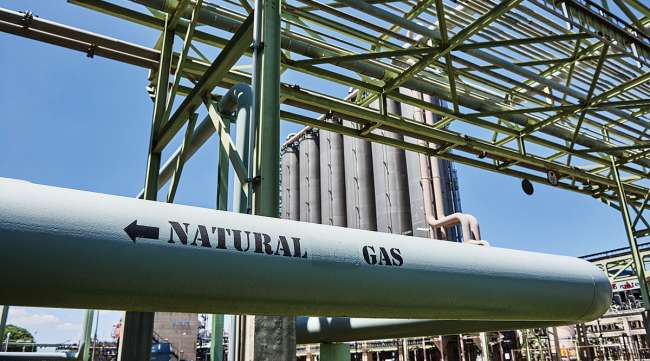
New York and New Jersey have granted essential permits for the Williams Companies’ long-delayed pipeline project, enabling a significant expansion of natural gas delivery to the New York City region from Pennsylvania. This permit approval opens the door for the Northeast Supply Enhancement (NESE) Project, an extension of an existing pipeline system that transports natural gas extracted from Pennsylvania’s shale fields, now targeting increased capacity to reach roughly 2.3 million homes across New York City and Long Island.
Project Comes Back from Shelved Status
The permit approval represents a reversal in the project’s fortunes. Williams had put the initiative on hold after New York originally denied the permits amid environmental concerns. However, the project was revitalized following new regulatory developments this spring, allowing construction to resume.
The pipeline expansion involves adding new sections to Williams’ Transco system, which already covers Pennsylvania, New Jersey, and New York. Notably, a segment of the pipeline will be laid under Lower New York Bay, facilitating the delivery of more natural gas.
Implications for Energy Use and Environmental Impact
One of the core benefits touted by Williams is that the expanded system will enable buildings in New York City to switch from using heavier, dirtier-burning fuel oil to cleaner natural gas. Unlike fuel oil, which is typically trucked in, natural gas flows directly through pipelines—a shift that could reduce emissions associated with transportation, particularly trucking.
Williams’ leadership emphasizes the project as a step toward providing “clean, reliable and affordable” natural gas, contributing both to economic growth and environmental stewardship.
| Project Aspect | Einzelheiten |
|---|---|
| Pipeline System | Expansion of the existing Transco natural gas network |
| Service Area | New York City, Long Island, Pennsylvania, New Jersey |
| Capacity Served | Approx. 2.3 million homes |
| Key Feature | Pipeline segment beneath Lower New York Bay |
| Environmental Shift | From dirtier fuel oil delivered by trucks to pipeline-delivered gas |
Environmental Concerns Still Strong
The project faces sharp criticism from environmental groups. Among the main points of concern are the potential damage to marine habitats in New York Bay and the risk of disturbing toxins such as mercury and copper during underwater pipeline construction. Shellfish beds and fishing areas also stand at risk, leading experts to argue the pipeline could jeopardize ongoing investments made to improve water quality in the harbor.
These environmental challenges highlight the delicate balance between expanding energy infrastructure and protecting sensitive ecosystems.
Setbacks and Alternative Projects
In parallel, Williams has withdrawn its application for another pipeline project—the Constitution Pipeline—which would have similarly transported natural gas from Pennsylvania to New York. This withdrawal followed regulatory hurdles, including the company’s failure to meet information requests by state authorities.
Nonetheless, Williams signals continued commitment to developing necessary infrastructure, indicating plans for future filings aimed at securing approvals for critical energy projects covering an even broader Northeast regional footprint, including Massachusetts, Connecticut, Rhode Island, Vermont, and Maine.
Energy and Affordability: A Practical Perspective
Natural gas remains one of the most cost-effective energy sources, a point Williams emphasizes in the context of everyday affordability. The pipeline expansion is presented not only as an environmental improvement but also as a measure to enhance energy access and reduce costs for millions of consumers.
- Energy Cost Impact: Lower energy bills through reliable gas supply
- Infrastructure Advantages: Pipeline delivery reduces reliance on fuel oil trucking
- Regional Reach: Supports energy demand across multiple Northeastern states
Logistics and Transportation Linkages
From a logistics standpoint, this pipeline expansion reflects how large-scale energy infrastructure projects influence the movement of fuels and freight. By shifting fuel deliveries from trucks to pipelines, there’s a potential to reduce traffic congestion and vehicle emissions caused by heavy tanker movements in urban areas. Such transitions can ease pressure on road networks, optimize freight operations, and improve overall transport efficiency.
Whether managing critical fuel shipments or relocation cargo, platforms like GetTransport.com offer valuable solutions for diverse shipping needs worldwide—from office and home moves to transporting bulky items including vehicles and heavy goods. By integrating reliable transportation options, logistics providers and customers alike can support smoother transitions toward cleaner energy distribution.
Balancing Progress and Precaution
The Wililams pipeline project showcases the ongoing tug-of-war between advancing infrastructure needed for affordable and cleaner energy and protecting vulnerable environmental assets. While the permits unlock vital progress in energy logistics, concerns remain about marine ecosystem impacts.
It serves as a reminder that even well-intentioned infrastructure development requires careful navigation of regulatory, environmental, and community factors.
Your Best Insight Comes from Experience
All discussions, reviews, and analyses around projects like this are insightful, yet nothing substitutes personal encounter. When choosing a transport or logistics partner for any shipment or relocation, firsthand experience can be the best guide.
On GetTransport.com, customers find an extensive selection of shipment options tailored to their needs, with transparent pricing and global reach. This empowers making informed decisions without overpaying or compromising quality. The platform’s versatility—from small parcel forwarding to moving large, bulky cargo internationally—offers reliability, convenience, and affordability in one package.
Book your delivery with confidence and explore the best offers GetTransport.com.
Looking Ahead: What This Means for Global Logistics
While the immediate impact of the Williams pipeline permit approvals may be regional, the project underscores a broader trend in energy logistics—transitioning cargo from road-based to pipeline transport for efficiency and environmental benefits. Globally, such projects influence how freight and fuel distribution adapt to evolving energy demands and sustainability goals.
At GetTransport.com, staying in tune with these developments is key to offering customers the latest in efficient cargo transport solutions. Whether the changes affect global patterns or local deliveries, the platform aims to keep pace with a shifting landscape.
Start planning your next shipment and secure your cargo with GetTransport.com.
Zusammenfassung
The Williams Companies have received crucial permits enabling the expansion of their Northeast Supply Enhancement pipeline, boosting natural gas delivery capacity to New York City and neighboring areas. This project aims to provide cleaner, more affordable energy alternatives by shifting fuel source reliance from truck-delivered fuel oil to pipeline-delivered natural gas. While this marks a key milestone in regional energy infrastructure, environmental concerns regarding coastal habitats are still debated. From a logistics perspective, the move represents a significant adjustment in fuel transport modes, reducing road freight in densely populated urban zones. Platforms such as GetTransport.com contribute to this evolving logistics landscape by offering flexible, cost-effective cargo and freight delivery solutions worldwide, streamlining shipment and relocation needs with transparency and convenience.