


 Deutsch
  English (UK)
  Русский
  العربية
  日本語
日本語  한국어
한국어  Magyar
  Türkçe
  Español
  Čeština
  Svenska
  Português
  Ελληνικά
  Suomi
Suomi  Nederlands
  Română
  Italiano
  Français
  Polski
  Українська
  简体中文
简体中文  Slovenčina

Set a 3-year procurement rule: require 100% traceable, third‑party certified palm oil, with interim targets of 50% at 12 months and 80% at 24 months, and budget a $5–$15/tonne premium to suppliers to secure compliance. This single action will help stabilize supply relationships, reduce leakage from non-compliant sources, and provide the financial signal farmers need to shift practices. Include contract clauses that allow buyers to suspend shipments when suppliers fail to provide GPS-backed documentation and legally mandated social impact assessments.
Global context: production runs at roughly 70 million tonnes of crude palm oil per year and covers around 18 million hectares, with Indonesia and Malaysia supplying about 85% of that volume. Smallholders account for roughly 40% of output while large plantations produce the remaining 60% respectively; yields average near 3–4 tonnes of oil per hectare depending on management. An industry association said recent audits found that traceability gaps concentrate in supplier tiers 3–5, creating a wide window where deforestation and labor abuses persist. Customers actually respond to transparent sourcing: clear, verifiable labeling reduces churn and supports price premiums for certified batches.
Operational recommendations you can apply now: (1) map tiered suppliers and require GPS coordinates and mill receipts within 90 days; (2) fund technical assistance to smallholders through cooperatives so farmers adopt high‑yield, low‑impact practices and access certification; (3) insert legally enforceable remediation timelines into supplier contracts and apply financial penalties for noncompliance; (4) split procurement into spot and contracted volumes to break single‑source dependence and reduce risk during peak demand times. These measures will drastically lower the chance of reputational shocks and improve on-the-ground outcomes within 12–36 months.
Measurement and governance: track hectares brought into compliance, percentage of supply verified, and premiums paid; report those three KPIs quarterly to procurement and sustainability teams. Build a public dashboard that tells the supply-side story in numbers – hectares, certified volumes, and trained farmers – so stakeholders know progress instead of relying on statements. Focus resources on the main leverage points: mills, trader contracts, and farmer associations. Act on these points now to convert supply-chain commitments into verifiable, measurable change.
What Is Palm Oil?
Prioritize certified palm oil and require independent auditing plus legal traceability from mill to refinery – this reduces uncertified supply and forces a measurable drop in deforestation risk.
Palm oil comes from the fruit of the oil palm (Elaeis guineensis). Producers press oil from the fleshy mesocarp and collect kernel oil from the seed; both products feed food, cosmetics and biofuel sectors. Global output reached the greatest volumes among vegetable oils, exceeding tens of millions of tonnes annually, with yields per hectare far higher than competing species of oil crops.
Expansion for plantations has reported acute impacts: NGOs and government agencies reported large fires and clearing in riau that burned thousands of hectares. Conversion of peat and primary forest can drastically reduce carbon stocks and eliminate habitat for threatened species, while uncertified supply chains often mask illegal land clearance and land-rights violations.
Tracking origin remains difficult because thousands of smallholders sell fruit through mill networks; auditors find traceability gaps, mismatched paperwork and missing GPS points. Buyers should know each supplying mill’s coordinates, require digital manifests, and insist on legal land titles and third-party auditing to verify claims.
Practical steps that help producers and buyers: deploy satellite monitoring and mobile verification, support smallholder training on improved seed selection and best agronomy for higher yields, and adopt developed certification criteria that reward no-deforestation and fair labor. If companies apply these measures, increased accountability is expected and markets should see a steady drop in uncertified, illegally cleared palm oil.
Botanical sources and yield per hectare for oil palm varieties
Recommendation: Plant clonal Elaeis guineensis hybrids at 148–160 palms/ha and schedule replanting around year 22; this configuration will deliver peak yields of 6–8 t CPO/ha/year (28–35 t FFB/ha/year) under good agronomy and a 22–24% FFB-to-CPO extraction rate.
E. guineensis (African oil palm) remains the yield leader: commercial plantations typically produce 18–25 t FFB/ha/year (4–6 t CPO/ha/year). Elite clones and improved hybrids reach 28–35 t FFB/ha/year (6–8 t CPO/ha/year) in peak blocks. E. oleifera shows lower raw FFB yield (8–15 t FFB/ha/year) but offers higher oil quality and disease tolerance; interspecific hybrids (E. guineensis × E. oleifera) commonly produce 20–28 t FFB/ha/year (4.4–6.7 t CPO/ha/year) and represent an opportunity where disease or quality drives buyers.
Smallholders and traditional systems yield less: smallholder blocks frequently report 8–12 t FFB/ha/year (1.8–3 t CPO/ha/year). Non-certified and dirty supply chains correlate with lower investment in agronomy and thus lower yields; buyers are increasingly demanding traceability, and those who follow certification gain price and market access advantages. Leila, a plantation manager who decided to switch to hybrid planting and commit to certification after several NGO campaigns and targeted email outreach, reported an increased average of 2 t CPO/ha/year over six years compared with her previous traditional blocks.
Planting density matters: standard spacings are 9×9 m (~123 palms/ha) for conservative systems, 8×8 m (~156 palms/ha) for higher early-season capture, and clonal high-density designs around 148–160 palms/ha where crowns are managed. Expect peak yields from year 7–15, stable production through year 20, then a decline that can reach 20–40% by year 25; plan replanting to maximize net present value. Harvest interval of 7–10 days and consistent loose fruit collection increase extraction rates by 0.5–1.0 percentage points.
Operational targets: maintain fertilizer inputs in the ranges N 100–200 kg/ha/year, P2O5 30–60 kg/ha/year, K2O 200–300 kg/ha/year adjusted to leaf and soil tests; pruning and harvesting labour directed to a 7–10 day cycle will lift FFB quality and CPO yield. Where labour is scarce or increasingly demanding, invest in mechanised fruit handling and tighter scheduling to avoid losses.
Risk and market advice: disease-prone landscapes benefit from hybrids or E. oleifera crosses, while clean, certified sourcing secures buyers who will pay premiums; conversely, producers tied to cheap, dirty supply risk losing contracts as buyers follow consumer concerns and campaigns. If your mill or plantation has worked longer with non-certified suppliers, audit supply routes, map origin points and use email alerts and chain-of-custody data to remediate fast.
Quick decision checklist: 1) choose clonal hybrid for high-yield sites; 2) set density 148–160 palms/ha for clonal systems; 3) target 6–8 t CPO/ha/year peak, 4) test soils annually and apply fertilizers in recommended ranges, 5) plan replant at ~22 years, and 6) commit to certification to avoid market exclusion driven by demanding buyers and consumer groups often addicted to low prices but increasingly concerned about provenance.
Processing steps from fresh fruit bunch to crude and refined oil
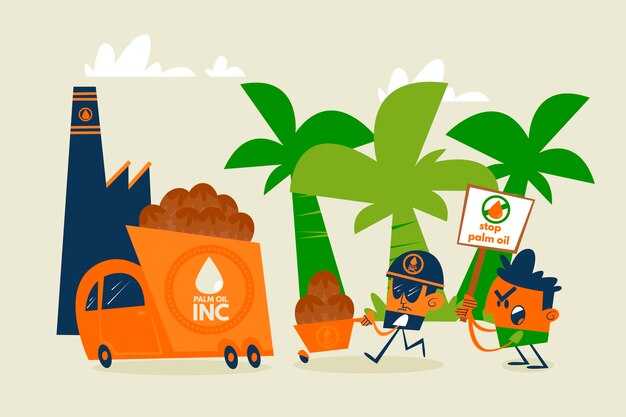
Process fresh fruit bunches (FFB) within 24 hours: sterilize by direct steam at 100–120°C for 60–90 minutes to inactivate lipases and limit free fatty acids; result is higher oil extraction rate and lower downstream refining load.
Reception and assessments: weigh FFB, record variety and harvest date, inspect maturity (loose fruits, orange-red mesocarp), reject overheated or rotten batches. Treat smallholder consignments the same way and encourage producers to subscribe to mill quality bulletins so supply chains reward timely delivery.
Sterilization and threshing: use continuous rotary sterilizers or batch steam retorts; maintain uniform steam distribution and drainage to keep fibre moisture 50–60%. Thresh within 30–60 minutes after sterilization to minimize recontamination; mechanical thresher settings should minimize broken kernels which raise impurities.
Digestion and pressing: digest at 60–80°C for 15–30 minutes with controlled rotor speed to liberate oil without excessive emulsification. Use screw presses with staged screw sections and adjustable back-pressure; target crude oil extraction rate (OER) of 20–24% of FFB and kernel recovery 4–6% when equipment and feed quality are proven.
Clarification and drying: clarify hot oil with 70–90°C water wash and centrifugal separation, then gravity settling for 1–3 hours. Dry crude palm oil under vacuum at 100–110°C to reduce moisture below 0.1% and solids to <0.5% before storage to avoid spontaneous heating and microbial growth.
Crude quality control: test FFA, moisture, impurities, peroxide value and levels of 3‑MCPD/glycidyl esters. Aim for CPO FFA below 5% (ideally <3%); refining reduces contaminants associated with health risks including cancer in long-term high exposure scenarios, so run regular lab assessments and corrective actions.
Refining sequence: degum (phosphoric or citric acid if needed), neutralize with caustic or use physical refining when proven feasible, bleach with activated clays at 80–120°C under vacuum, then deodorize by steam distillation at 180–260°C under high vacuum to strip volatiles and trace contaminants. Final refined oil should show FFA <0.1% and peroxide value <1 meq/kg for most edible goods.
Fractionation and finishing: cool oil at controlled rates with seeding to produce palm olein and stearin fractions; control crystallization time and agitation to meet melting profile targets for frying, shortening or margarine applications. Filter and polish to remove residual bleaching earth and fines.
By‑products and energy: use empty fruit bunches and fiber for boiler fuel to generate process steam; capture biogas from anaerobic treatment of palm oil mill effluent (POME) and convert methane into electricity. Treat effluents to meet local discharge standards and avoid draining peatlands, which release large carbon stocks and harm the environment.
Innovation and mitigation: integrate synbio enzymes or microbial consortia selectively validated for faster oil release or lower effluent load, but require field trials and regulatory assessments before scale-up. Proven anaerobic digesters reduce methane emissions and produce renewable energy – prioritize these where mills are willing to invest.
Traceability and policy: maintain batch-level traceability across chains, publish mill performance stories and audits, and align subsidies with environmentally verified practices. Policymakers must link financial incentives to measurable emission reductions and responsible sourcing to avoid perverse incentives that create new problems.
Operational recommendations: never stack FFB longer than 48 hours, monitor sterilizer condensate and press cake moisture daily, keep drying temperatures stable, and log laboratory results. A transparent leader in the supply chain provides training, buys compliant crop from smallholders, and reports goods quality so buyers and regulators can act on data rather than announcements alone.
Common commercial grades and how to read product specifications
Require a certificate of analysis (CoA) and an independent lab test before you accept palm oil – this will cut delivery risk and expose mislabelled grades.
- Crude Palm Oil (CPO)
- Typical CoA entries: Free Fatty Acids (FFA) ~3–5% as oleic, Moisture & Impurities (M&I) ≤0.5% at mill dispatch, Peroxide Value (PV) <10 meq O2/kg, colour reported in Lovibond or carotene mg/kg (often 200–700 mg/kg for red CPO).
- Use: refinery feedstock. Red flags: FFA >6%, M&I >1% or unidentified foreign matter – these undermine refinery yields and will raise costs.
- Trace: CoA should show the supplying mill, batch number, and tons shipped.
- RBD Palm Oil (Refined, Bleached, Deodorised)
- Typical specs: FFA ≤0.1–0.3%, Moisture <0.1%, PV <5 meq O2/kg, Iodine Value (IV) ~50–55. Label will list iodine, Saponification Value and trans fat content.
- Use: frying oils, food processing, grocery packaged products. Red flags: FFA or PV values higher than CoA; unspecified refining method.
- Palm Olein
- Liquid fraction with Slip Melting Point ~20–24°C, IV ~55–60, clear olein will show low cloud point values for everyday frying use.
- Specifications to check: cloud point, SFC if used for blending, and peroxide/trans fat reports for health-aware buyers.
- Palm Stearin
- Solid fraction with Slip Melting Point ~38–45°C and lower IV (~35–45). Used in bakery and confectionery fats.
- Check: melting profile (DSC or slip point) and softening point; mismatched values will drop functional performance in blends.
- Red Palm Oil / Cold-Pressed
- Higher carotene and tocopherol content shown on CoA (carotenes often reported as mg/kg). Expect higher colour units and nutrient data; stability and sensory specs must be listed.
- Retail/grocery packs labeled as healthier should provide proven lab values for carotenoids and vitamin E.
- Palm Kernel Oil (PKO)
- Different fatty acid profile (lauric-rich). Specs include FFA, PV, IV and melting point; used in specialty fats and oleochemical markets.
How to read the specification sheet – immediate checklist:
- Confirm grade name and trade name match the product physically received (CPO vs RBD vs olein/stearin).
- Match batch numbers, sampling date and laboratory accreditation on the CoA; accept only AOCS/ISO-based methods or equivalent stated in the CoA.
- Verify key analytical values: FFA, M&I, PV, IV, slip melting point/cloud point, and moisture. For refined oils, expect FFA near 0.1% and moisture <0.1%; large deviations merit rejection.
- Inspect contaminant data: 3‑MCPD/glycidyl esters, heavy metals, pesticides – require method and LOQ. If results are marked “below LOQ” obtain the LOQ value and lab method.
- Check nutritional and functional claims: carotenoids, tocopherols, trans fats – suppliers must show analytical proof if the product promoted as healthier.
- Traceability: CoA should list the source mill and ideally GPS or estate ID and volume in tons. For sustainable claims, require RSPO (Mass Balance, Segregated, Identity Preserved) documentation and chain-of-custody numbers.
- Packaging & storage details: received temperature, tank cleanliness, and storage humidity; failing to log these will raise microbial and oxidation issues.
Practical acceptance thresholds and actions:
- Reject refined oil shipments if CoA FFA exceeds 0.5% or PV exceeds CoA by more than 20% on independent retest.
- For CPO, request holding tolerance: FFA drift of ±1% from CoA is acceptable during sea transit; >2% requires investigation and mill verification.
- Take a retention sample at unloading and send to an accredited lab the same day; record received tonnage and temperature.
- If sustainability claims lack mill-level traceability or proven RSPO documentation, flag the cargo – markets penalize unverified claims and that undermining of trust affects long-term procurement.
Buying and supply recommendations:
- Request proven sources and mill reference contacts; compare yield reports (tons FFB processed vs oil extraction rate) to assess productivity figures from estates and mills.
- Ask suppliers to show historical CoAs for at least three prior shipments; sudden drops in quality metrics are a red flag and have shocked buyers in America and Europe before.
- Besides CoA verification, perform routine spot checks on grocery-pack purchases and bulk deliveries – everyday vigilance reduces recalls.
- Prefer suppliers who provide mill-level data and seed-to-shelf traceability; that supports food sovereignty goals and reduces reputational risk for buyers in oil-rich sourcing regions.
Quick reference – what to demand from a supplier:
- Signed CoA with laboratory method references and accreditation.
- Mill name, batch number, shipped tons, and transport receipts received at destination.
- Independent lab retest option, documented storage/temperature during transit, and sustainability certificates with chain-of-custody.
- Clear acceptance/rejection criteria written into the contract to avoid disputes and drop financial exposure.
Following these paths to verify specs and traceability will reduce procurement issues, protect product functionality in formulations, and help markets move toward healthier, proven supply chains.
Typical food and non-food applications and how to spot palm oil on labels
Recommendation: Prefer products that list “palm” explicitly or carry RSPO (Roundtable on Sustainable Palm Oil) or equivalent certification; avoid generic “vegetable oil” entries if you aim to reduce palm exposure.
Palm oil and its fractions (palm olein, palm stearin, palm kernel oil) appear widely in foods: margarines and spreads, bakery goods, biscuits, chocolate coatings, instant noodles, confectionery, ice cream, ready meals and frying oils. Manufacturers choose palm for shelf stability, texture and low cost. In non-foods palm derivatives serve in soaps, shampoos, cosmetics (emollients and surfactants), detergents, candles, biodiesel and industrial lubricants.
Spot palm on labels by scanning ingredient lists for direct names: “palm oil”, “palm kernel oil”, “palm olein”, “palm stearin”. Also watch for derivative terms that often indicate palm origin: “palmitate”, “palmitic acid”, “sodium palmitate”, “glyceryl”, “glyceryl stearate”, “stearic acid”, “cetyl alcohol”, “cetearyl alcohol”, “mono- and diglycerides (E471)”, “fatty acids”, “emulsifiers”, and “glycerin” – these can be sourced from palm. If a label shows only “vegetable oil” or “vegetable fat” without specification, assume a high probability of palm, especially in processed snack foods and bakery items.
Ask brands for clarity: call or email the company’s consumer helpline, check the latest sustainability reports and look for full supply-chain disclosures that cover mill and farm-level traceability. Many companys publish online dashboards or PDF reports showing their percentage of certified volumes. Use barcode-scanner apps that flag likely palm ingredients and join watchdog groups und organisations that aggregate sourcing data.
Industry context matters: smallholder Bauern produce a significant share of palm crops, so traceability often needs extra paperwork – adms codes, mill IDs and farm coordinates. Pressure from large Käufer, NGOs like greenpeace and multi-stakeholder initiatives drives certification momentum; the fourth annual assessment by some alliances showed improved disclosure but also highlighted gaps. Where commitments ended at mill level or covered only a joint subset of suppliers, transparency problems persisted and leads to continued deforestation risk.
Practical checklist: 1) Seek RSPO, ISCC or equivalent logo and verify certificate numbers; 2) Reject “vegetable oil” labels that lack supplier names; 3) Favor brands that publish full mill-to-farm maps; 4) Use retailer policies and buyer commitments to pressure suppliers; 5) Report opaque adms or missing data to consumer groups. Luckily, many brands now publish supplier lists and traceability reports, making verification feasible for conscientious shoppers.
Real example: leila, a procurement manager, stopped buying a chocolate coating after supplier disclosures covered only 30% of volumes; she switched to a supplier with full RSPO-mass-balance certificates and a published list of mills and farm programmes. That swap reduced risk and aligned purchasing with socially responsible economics – buyers can replicate this approach by calling suppliers for evidence and sharing findings with civil-society organisations.
Clearly label-reading plus targeted questions to brands offers the fastest route to reduce unwanted palm in your pantry or product line. Use the ingredient cues above, check certification IDs, and push for full transparency: this strategy covers immediate choices and also leads manufacturers to improve sourcing for the long term.
Drivers of deforestation and methods for mapping high-risk landscapes

Prioritize a quantitative, spatial risk score that combines satellite-detected forest loss, peat depth, proximity to roads and mills (distance), concession ownership and documented social conflicts; this single index lets procurement teams and regulators rank sites for immediate intervention.
Map clearance with multi-source remote sensing: use Landsat (30 m) and Sentinel-2 (10 m) for historical baselines, Sentinel-1 SAR for all-weather detection, and PlanetScope (3–5 m) or very-high-resolution imagery for millimeter-scale frontier clearing. Apply time-series algorithms (e.g., LandTrendr/CCDC or equivalent break-point detectors) and machine-learning classifiers (random forest or convolutional neural nets) to reduce false positives; calibrated workflows typically lower omission/commission errors into the single digits after >200 ground-truth samples per biome.
Overlay concession and ownership registries to attribute deforestation to specific corporations and supply chains; prioritize concessions linked to singapore-based traders and large agribusiness groups for near-term audits. Require binding NDPE-style clauses in supplier contracts and verify that commitments are not just paper: investigations show many commitments are not followed perfectly, so tie RSPO certificate acceptance and access to corporate credits to independent, remotely verifiable compliance metrics.
Score social and biodiversity risk explicitly: map High Conservation Value and High Carbon Stock proxies, species range overlaps, and records of land-rights violations. Incorporate reports from local peoples, complaint registries and legal records of land-grabbing crimes to flag sites where exploitation and conflict are ongoing. Weight social indicators heavily where community tenure boundaries are within concession distance buffers.
Operationalize monitoring and verification: run automated alerts monthly with Sentinel-2 and weekly if Planet data are contracted; trigger field investigations when pixel loss exceeds a defined threshold (e.g., >0.5 ha within 90 days) or when detected change lies <5 km from a mill or port. Require proper HCS/HCV assessments before any plantation expansion and mandate independent social audits meeting international certificate standards.
Use supply-chain traceability to convert spatial risk into commercial consequences: block purchases from high-risk concessions, suspend mill credits, and require remediation plans with measurable targets and timelines. Finance mechanisms such as conditional carbon credits should only reward verified restoration after independent verification and after affected peoples approve restitution agreements.
Implement clear governance steps now: publish risk maps openly, fund community-led ground truthing, expand monitoring teams with SAR and LiDAR contracts for peat areas, and set automatic suspension rules for suppliers that show repeated or severe violations. These concrete measures address the urgency to halt deforestation, reduce species loss, and stop the exploitation linked to commodity-driven forest conversion across indonesia and other producing regions, bridging corporate and community worlds toward measurable change.