


 Deutsch
  English (UK)
  Русский
  العربية
  日本語
日本語  한국어
한국어  Magyar
  Türkçe
  Español
  Čeština
  Svenska
  Português
  Ελληνικά
  Suomi
Suomi  Nederlands
  Română
  Italiano
  Français
  Polski
  Українська
  简体中文
简体中文  Slovenčina
 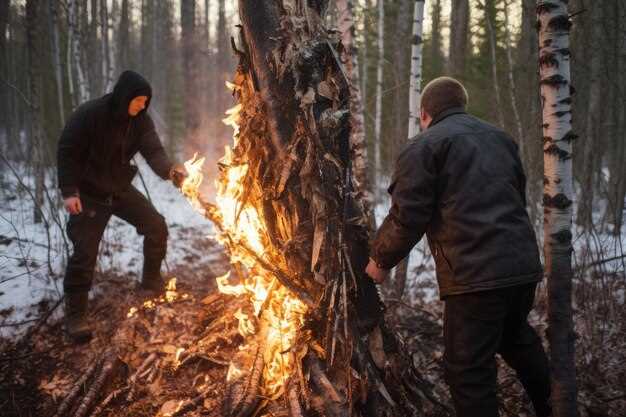 Waldbrände treiben Holzpreise erneut in die Höhe – Was Bauherren wissen müssen">

Recommendation: Lock in fixed-cost contracts for the current quarter and diversify suppliers to blunt volatility in supply for construction-grade timber and panel products. Prioritize sourcing from canfor and a mix of mills to stabilize costs and ensure a predictable chain for these things.
In july, record fire activity in the eastern forests has caused havoc across the chain, constricting supply and driving inventories down. Fire suppression costs and burning conditions have pushed rates for wood products to record levels, and several mills have become inaccessible to delivery schedules, intensifying shortages. The cause is a mix of drought, heat, and fuel loads that elevate risk across regions, pushing costs over the baseline.
Hinweis: Consequences for project timelines include longer lead times and cost overruns when supply tightens. To mitigate, map the supply chain now, identify alternative sources, and reserve a buffer of critical items. Consider salvage strategies from reclaimed components to reduce waste and offset some loss in the near term.
Key indicators for the quarter include inventories at mills and ports, shipping times, and the cost trajectory across eastern markets. Stay alert to fire activity, salvage opportunities, and the accessibility of key facilities, and align procurement plans with these realities to keep disruption under control and maintain a viable margin on upcoming commitments.
Wildfires are driving lumber costs and shaping construction decisions

Lock in fixed-price, long-term supply agreements this quarter to stabilize their project budgets and secure right-sized timber-grade products from diversified regions, including asia, where supply chains remain volatile.
Facing a supply-demand squeeze driven by floods wreaking havoc on supply chains, beetle-killed stock, and weather disruptions, most markets have seen pricing move at the fastest rates in major regions. Since some beetle-killed stock is gone, buyers must plan on longer lead times and adjust the chain, entering a staged sourcing strategy to avoid bottlenecks into the next quarter.
analyst note: the shift in supply patterns means asia-led channels are gaining share as pricing remains volatile; left by beetle-killed stock in several regions, producers are reallocating capacity, creating opportunities for early movers who diversify quickly while maintaining reliability.
To navigate, teams should map the supply chain against their project schedules, identify essential products, and lock in capacity with suppliers who can meet deadlines; right now the fastest adjustments occur in asia and central regions, while domestic mills push conversion of beetle-killed logs into timber products. the analyst will mark the quarter as a turning point, and those who act will avoid disruptions and capture cost-saving opportunities for large projects in particular.
Monitor wildfire activity by region and its direct impact on mills, logging, and transport
Track regional fire activity daily and lock in alternative mills, logging crews, and transport routes within 24 hours of a risk signal. Build a sourcing map across such regions, with sources for timber and framing components, and set targets at cent-level price changes to limit surprises in the coming weeks.
In the coming month, western and southern zones show the likeliest disruption as burning peaks; evacuated towns force large mills to pause operations, driving delays on rail and road transport through peak seasons.
Cash-flow pressure rises as outages persist and a lack of reliable rail and trucking options reduces shipment reliability, forcing buyers to adjust prices. To cope, diversify sources, pursue salvage timber where feasible, and implement staged framing programs that free up cash and smooth monthly demand. The fastest adjustments occur when buyers commit early to multi-month frames, creating opportunities to protect margins for the future and avoid cascading losses.
Chinese buyers remain sensitive to rates and prices, while domestic customers adjust orders within the coming weeks. Such sensitivity marks a change in negotiation dynamics; lock in terms that favor the fastest delivery windows and establish regional buffers to weather abrupt shifts.
Track results against previous cycles and quantify cent-per-unit swings to mark the change and refine forecasts for the next season.
Track lumber price movements and futures to inform budgeting and scheduling
Recommendation: Establish a two-tier monitoring routine: daily review of timber cost futures and weekly review of spot quotes. Build a cash buffer covering 8–12 weeks of material needs and trigger procurement actions when the market moves beyond a 3–5% band, aligned to project milestones.
-
Data sources and timing: Rely on trading channels for futures curves, regional mill reports, export notices, and industry news. Earlier signals from the north region and across major supply corridors can foreshadow pressure in timber costs. Reported shifts in the futures curve often precede actual material moves, so set alerts for first-order changes and maintain a 2–4 week lookahead for scheduling.
-
Budget scenarios: Build three outcomes–base, stress, and extreme with infestation risks. Assign costs to each scenario and model cash balances weekly. Such planning helps contractors decide where to downsize non-critical home projects or reallocate funds to essential work.
-
Procurement strategy across channels: Diversify suppliers across sawmills and export corridors; avoid relying on a single chain. For the first phase, lock in terms with reliable partners in the north region, while keeping alternative sources in reserve across other regions. The idea is to move demand to the most economical options while maintaining quality.
-
Hedging and finance: Use futures-based hedges or fixed-price agreements to cap spikes in timber costs. Maintain a rolling cash forecast and adjust orders to avoid tied-up capital, balancing consumer demand with project needs.
-
Scheduling and execution: Align procurement windows with project milestones and typical lead times seen in sawmills. If market news indicates rising timber costs coming, place earlier orders for critical phases and adjust schedules accordingly. In some cases, delaying non-core tasks can help absorb price pressure while maintaining overall pace.
-
Communication and governance: Establish a single channel for market updates and budget adjustments. Regular briefings help those managing supply and work alike across teams, keeping everyone informed of where supply pressures are likely to hit and how the plan balances options across regions.
Notes and indicators to watch: wildfires risk in the coming months; news reports since earlier weeks have highlighted pressure on sawmills in the north region; such channels move prices across regions. Track reported shifts in costs by region; keep an eye on export trade flows, as they influence availability across the chain. If infestations or pests affect timber supplies, adjust plans and communicate with stakeholders. Use a balanced approach to respond to consumer demand while preserving cash and margins; use this approach to keep downsize decisions aligned with project scope and home-building calendars.
Key terms to watch include pressure, region, costs, north, sawmills, downsize, export, across, first, wildfires, coming, news, earlier, work, those, such, channels, move, infestation, home, trading, cash, reported, over, alike, things, where, chain, particular, economical, consumers, balances.
Consider alternative materials and sourcing options to mitigate price spikes
Contract long-term relationships with diverse sources to stabilize home project pricing. With many mills and traders active, lock in terms now across west and eastern regions to smooth consumption swings and reduce the need to downsize schedules when current market movement hits a peak. theres interest in salvage and recycled components, which supports sustainable forestry practices while hedging against volatile pricing.
Engineered options and metal framing provide a hedge against volatility in timber markets. CLT and GLulam panels deliver rapid on-site construction, with strong performance in home construction; OSB and plywood panels offer predictable budgets for non-load-bearing sheathing. With current demand patterns, these choices reduce the impact of regional disruptions and can lower lifecycle costs when paired with efficient detailing. In july, spot trading for key inputs showed volatility of several percent day-to-day, underscoring the need to choose sources that offer stable delivery times and clear pricing.
Regional sourcing strategy: pursue contracts with Quebec-based mills and eastern suppliers while maintaining west coast and midwest partnerships. This approach spreads risk, hedges against single-market shocks, and supports a steady flow of sources for downcycle periods. By pairing salvage with fresh material, builders can cap incremental costs and sustain throughput during peak demand. The result is a sustainable level of consumption aligned with market realities and pricing signals across trades.
Implementation steps to start now: issue a contract package to three alternative-material suppliers; lock long-term deals for CLT/GLulam and OSB; establish salvage-sourcing through a dedicated procurement team; run a pilot on a 10-home project to quantify numbers and compare with a baseline; monitor monthly pricing indexes and adjust the mark accordingly. This plan minimizes risks of downsize and reduces cost surprises across current and upcoming cycles.
| Option | Vorteile | Risiken / Einschränkungen | Pricing notes and sources |
|---|---|---|---|
| Engineered timber (CLT/GLulam) | High spans, faster assembly, better fire performance | Higher upfront cost; limited supplier base | Pricing trend: moderate; numbers show 5-12% YoY; sources: west/eastern mills; july volatility observed; quebec-based expansion |
| OSB / plywood panels | Lower cost; steady supply in adverse weather | Moisture risk; performance under humidity | Pricing dynamics: down 10-20% in Q2; numbers reflect trading ranges; sources include eastern producers |
| Steel framing systems | Non-combustible; stable supply when timber is tight | Higher upfront; heavier and more logistics | Pricing influenced by steel input costs; west/eastern markups; numbers show price spreads |
| Salvaged / reclaimed timber components | Reduces demand for new materials; cost control | Quality control; lead times | Sources include quebec and eastern markets; pricing volatile but often lower at scale; cent-level changes observed |
Plan procurement with lead times, order windows, and inventory buffers

Fixieren Sie feste Vorlaufzeiten, legen Sie monatlich dedizierte Bestellfenster fest und pflegen Sie Sicherheitsbestände, um Kosten und Angebot in Zeiten von Volatilität zu stabilisieren.
- Lead-time Mapping: Diagramm aktuelle Dauer für kritische Inputs. Inländische Sägewerkerzeugnisse in Ontario erfordern in der Regel 3–6 Wochen, während Importströme aus Europa sich auf 8–12 Wochen ausdehnen können. Bauen Sie eine 2-Wochen-Notfallreserve für frühere Anpassungen ein und nutzen Sie dieses Tempo, um spitz zulaufende Perioden abzudämpfen. Die Kosman-Zeit-Analyse legt nahe, dass frühes Handeln sich auszahlt, insbesondere wenn Marktsignale Monate vor den Spitzenkaufszeiträumen auftauchen.
- Bestellfenster festlegen: Es sollten zwei feste monatliche Fenster (z. B. die Tage 1–7 und 15–21) eingerichtet werden, die an die Produktionszyklen der größten Mühlen und Häfen gebunden sind. Die Festlegung auf diese Zeitfenster minimiert erzwungene Eile, erschließt frühere Preisgelegenheiten und reduziert Störungen in letzter Minute im Juli und darüber hinaus.
- Lagerpuffer: Artikelbezogene Sicherheitsbestände festlegen, die die Volatilität widerspiegeln. Für volatile Kategorien sind 6–12 Wochen Vorlaufzeit als Ziel anzustreben; für stabilere Segmente 4–8 Wochen. Überwachen Sie die verbrannten Hektar und Überschwemmungen als Auslöser für Umwälzungen und passen Sie die Puffer in Rekordjahren nach oben an, wenn Bedenken hinsichtlich des Tempos und der Verfügbarkeit der Versorgung aufkommen.
- Zukunftskontrakte und Importdiversifizierung: Nutzen Sie Zukunftskontrakte, um Preisverläufe abzusichern und Importquellen zu diversifizieren, um die Abhängigkeit von einem einzigen Kanal zu verringern. Eine gemischte Strategie – heimische Sägewerksleistung plus europäische Importe – hilft, regionale Schocks abzufedern und die Gesamtkosten unter Druck zu halten.
- Regionale und Lieferantenmix: Ontario bleibt ein bedeutender regionaler Lieferant für heimische Märkte, aber europa-basierte Quellen können lokale Einschränkungen ausgleichen. Beibehalten Sie ein ausgewogenes Portfolio über die Geografie, um erzwungene Auf- oder Abschätzungen als Reaktion auf Marktschocks und Zinsänderungen zu reduzieren.
- Überwachungs- und Anpassungsfrequenz: Implementieren Sie eine monatliche Überprüfung, die die tatsächliche Nutzung, Lieferzeiten und Lagerbestände mit den Zielen vergleicht. Nutzen Sie dies, um Mengen und Zeitpläne neu zu basieren, insbesondere wenn Ereignisse im Juli oder in anderen Spitzenperioden Bedenken hinsichtlich der Versorgung auslösen. Behalten Sie jedoch eine flexible Haltung bei, um die Zeithorizonte zu verschieben, wenn Zukunftssignale auf einen anhaltenden Kostenanstieg hindeuten.
Kunden und Besatzungen mit Preisprognosen und Notfallplänen ansprechen
Implementieren Sie eine dynamische Kostenprognose jetzt: Verankern Sie die Trajektorie in einem prognostizierten Volumen über mehrere Monate mit definierten Preisspannen und Anpassungsauslösern, die auf Inputkosten, Unterbrechungen der Lieferkette und Entwicklungen während der Brandzeit abgestimmt sind.
Bieten Sie Kunden und Besatzungen einen transparenten Juli-Snapshot und einen kontinuierlichen Ausblick für Québec und Alberta, der darlegt, wie Feuereignisse und durch Borkenkäfer befallene Hektar die Forstholzlieferkette beeinflussen; der Markt kann in der gesamten Forstindustrie boomen, und die Kosten können stark variable, spitz zulaufende Dynamiken aufweisen.
Fügen Sie einen Notfallplan mit drei Stufen – Basis, eskalierend und Krise – bei und definieren Sie Auslöser, zeitgebundene Neuverhandlungsfenster und Ersatzoptionen, um Baupläne am Laufen zu halten, selbst wenn die Volatilität zunimmt.
Beachten Sie die wichtigsten Kennzahlen für Kunden und Besatzungen: Zeithorizonte, Volumenverpflichtungen und Lieferantenkapazitäten; bieten Sie Entscheidungsfindungshilfe und einen Rahmen für rechtzeitige Anpassungen, um Nachhaltigkeit mit Kostenkontrolle in Einklang zu bringen, um das Momentum in der Projektkette aufrechtzuerhalten.
Berichte wiesen darauf hin, dass Waldbrände Evakuierungen in Alberta und Quebec verursachten, wobei Tausende evakuiert wurden und zeitliche Fenster im Juli betroffen waren; russische, von Käfern befallene Hektar werden als ein umfassenderes Risiko für die Forstwirtschaft genannt und wurden in Branchenberichten als Faktoren für die Liefervolatilität vermerkt; zur Minderung: Diversifizieren Sie die Kette und pflegen Sie nachhaltige Praktiken.