Συγγραφέας
Ο James Miller ειδικεύεται στην παγκόσμια εφοδιαστική και στη δυναμική της αλυσίδας εφοδιασμού. Το ερευνητικό του έργο διερευνά τις περιπλοκές του διεθνούς εμπορίου, τις προκλήσεις των υποδομών και τις τεχνολογικές εξελίξεις που διαμορφώνουν το σύγχρονο εμπόριο. Υποστηρίζει βιώσιμες πρακτικές και διαφάνεια στις λειτουργίες της αλυσίδας εφοδιασμού.


Inflation Accelerates in August as Gas and Food Prices Spike Sharply
Last month saw a notable uptick in inflation, with consumer prices jumping notably due to increased costs in gas, food, and travel.

Exploring ATRI’s New Research into Entry-Level Truck Driver Training and Its Impact on Safety and Retention
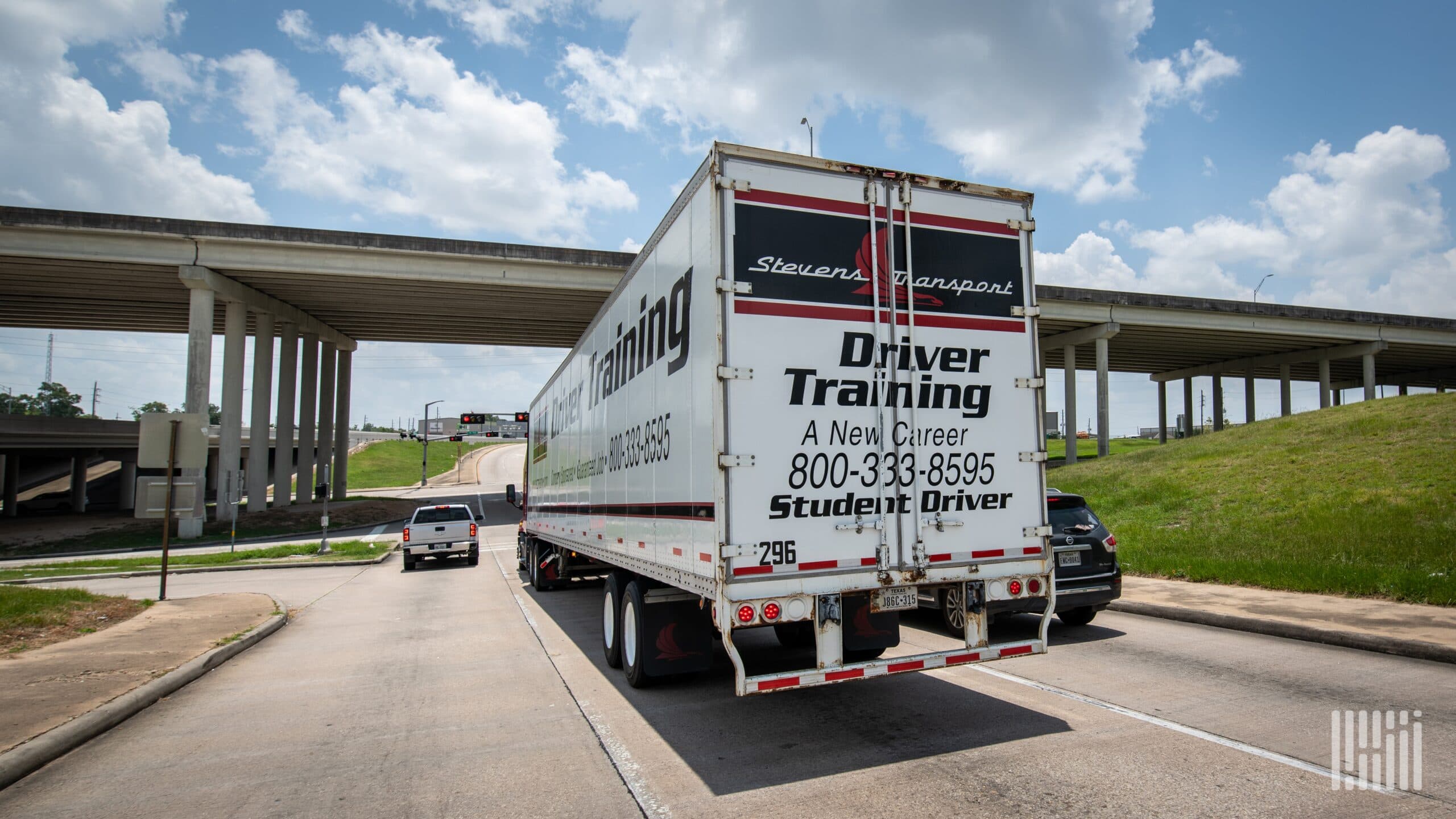
Understanding the New Push in Entry-Level Truck Driver Training Short on safe, skilled drivers? The American Transportation Research Institute (ATRI) is rolling up its sleeves, initiating a fresh study designed to dig deep into how training programs for new truck drivers affect their safety records and job retention. This research revisits a crucial topic that’s vital not just to the carriers but to the broader logistics industry, where dependable freight transportation is the name of the game. What This Study Targets The focus here is on drivers classified as new entrants—those with three weeks up to 24 months of professional driving experience, who started their career at the

DHL Strengthens US Healthcare Logistics with SDS Rx Takeover
DHL Group's contract logistics division has taken a strategic step by moving toward acquiring SDS Rx, a Tampa, Florida-based courier specializing in final-mile deliveries within the healthcare sector.

What Could Trigger a Reduction in Excess Trucking Capacity and Its Impact on Logistics
The trucking sector has been grappling with too much available capacity ever since the post-pandemic surge, creating a challenging backdrop for carriers aiming to turn a profit.

Rheinmetall’s Strategic Move to Acquire Naval Vessels Luerssen and Expand Naval Capabilities
The German industrial giant Rheinmetall is reportedly just days away from securing a takeover of the local shipbuilding company Naval Vessels Luerssen (NVL).

Faconauto Gears Up for Its 2026 Annual Congress Expecting 2,000+ Professionals and Major Sponsorship
The annual Faconauto Congress is scheduled for March 4 and 5, 2026, at the Palacio Municipal–Ifema Madrid, already signalling a grand reunion for the automotive sector.

Industry Pushback on POSCO's Bid to Take Over HMM and Its Implications for Shipping and Logistics
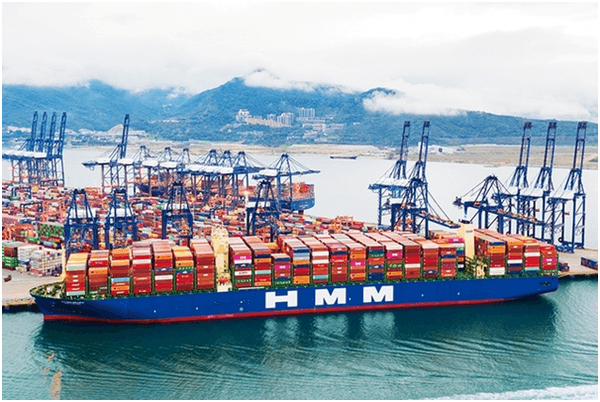
The planned acquisition of HMM by POSCO Group has sparked significant apprehension across Korea’s shipping sector.

British Land Launches Sustainable Multi-Level Southwark Logistics Centre in Central London
Central London's logistics scene has taken an exciting leap with the practical completion of Southwark Urban Logistics, the first multi-level industrial and logistics facility developed by British Land in this bustling zone 1/2 area.

Evri Strengthens Ties with Debenhams Group to Enhance Delivery Services Across Major UK Brands
A significant move in the parcel delivery and logistics network has emerged as Evri inks a two-year extension to its enduring partnership with the Debenhams Group, the powerhouse behind leading fashion and lifestyle brands such as Debenhams, PrettyLittleThing, boohoo, boohooMAN, and Karen Millen.

Howden's DUAL Introduces Comprehensive Cargo Insurance Across European Markets
Effective from September 1, 2025, DUAL Europe, a managing general agent under Howden, is stepping up its marine insurance game by launching a dedicated cargo insurance business.

Royal Mail Introduces App-Based Digital Proof of Posting for Sending International Parcels from UK Postboxes
Royal Mail has taken a significant step forward in simplifying the posting experience by expanding its digital proof-of-posting service to include international parcels dropped in any of the UK's 115,000 postboxes.

UK Prepares to Reform Business Rates to Ease Expansion Challenges for Small Logistics Operators
The UK Treasury is gearing up for a review designed to smooth out the so-called ‘cliff edges’ in business rates, which have historically created tough spots for small businesses opening additional sites.