


 Ελληνικά
  English (UK)
  Русский
  العربية
  日本語
日本語  한국어
한국어  Magyar
  Türkçe
  Español
  Čeština
  Svenska
  Português
  Suomi
Suomi  Nederlands
  Română
  Italiano
  Français
  Polski
  Українська
  Deutsch
  简体中文
简体中文  Slovenčina
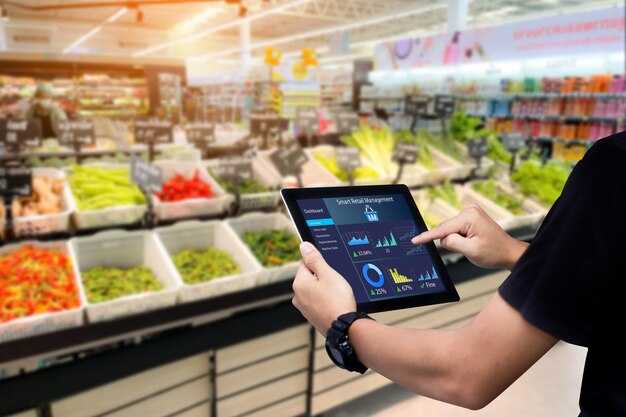
Implement a unified omnichannel platform powered by commercetools to connect online and in-store experiences, enabling real-time inventory, same-day pickup, and a ομαλός transition across channels. This approach works for buyers who switch between mobile and desktop, delivering a single choice set and a fast, predictable path to checkout.
To execute, align supply, fulfillment, and merchandising while building a firm data backbone that tracks picking, stock accuracy, and replenishment cadence. At times of peak demand, reserve clear pickup windows and offer same-day slots to avoid delays, then communicate status with customers in real time.
For retailers, a marketplace approach expands choice without carrying all SKUs in every store. By exposing inventory from nearby stores and partners, customers see which items are available and πού fulfillment will occur, often quickly, boosting conversion across both online and in-store channels.
Operationally, start with a long-tail of items that are frequently picked in-store, then scale to same-day and operations during peak times. Use commercetools to unify product data, pricing, and stock across stores, warehouses, and a marketplace network. another lever is to personalize offers by store cluster, using shopper data to tailor promotions and pickup opt-in rates. The result is a ομαλός shopping experience that works in mobile and desktop, with picking lists guiding staff efficiently.
Beyond fulfillment, invest in a friendly UX that surfaces which pickup option a customer prefers, shows real-time stock, and keeps mobile checkout friction-free. Once configured, stores can pivot to meet demand; however, customers can pick up at the location that minimizes times to collection, which boosts satisfaction and repeat purchases from both household shopping and quick essentials.
Measure success with concrete KPIs: cart-to-checkout rate, same-day pickup utilization, in-store fulfillment accuracy, and the average time from order to pickup. With these, a firm plan supports rapid iteration and picking optimization across times and locations, ensuring long-term growth and marketplace viability.
Real-Time Inventory Across Online and In-Store
Implement a unified inventory platform that synchronizes stock in real time across online storefronts and all physical stores. It pulls data from ERP, WMS, and POS, and pushes updates to product pages, shopping carts, and pickup dashboards within seconds. Build a single source of truth, and have event-driven messaging to prevent out-of-stock surprises for customers.
Across channels, provide real-time visibility by SKU, location, and delivery window. Where online orders and in-store purchases compete for the same items, the system should auto-allocate from the closest facility, reserve stock for pickup, and reflect changes in content across stores and the ecommerce site. Use a rules engine to adapt to peak periods during holidays or promotions. Facilities with micro-fulfillment or on-shelf cameras can enrich inventory data. According to forecast data, adjust allocations to balance speed and freshness.
operational governance drives decisions about allocation, reprioritization, and backorder thresholds, making data the primary driver of stock moves. Prepared communications help store teams inform customers about delays. Programs for staff training ensure accurate stock counts during shifts, while grocers own the data quality and understand root causes of mismatches.
Customer experience benefits come from a live stock indicator and reliable delivery estimates. During promotions, aim for discounts tied to inventory readiness, and provide perks like flexible pickup windows when availability is tight. Content on product pages should reflect real-time status, enhancing trust and helping shoppers make quick decisions.
To measure success, track stock accuracy, stock-out rate, and order fulfillment speed, plus delta between online and in-store reconciliations. Optimizing safety stock by facility and product type helps reduce waste for food items and improves margins. Regular audits and anomaly alerts keep the system prepared for demand spikes and supply disruptions.
Start with a six-week pilot in a handful of stores and online channels, then scale to the full network. During the rollout, monitor reconciliation latency, user-facing stock signals, and customer feedback. Trying varied thresholds and allocation rules lets grocers compare outcomes and refine the approach, ensuring delivery commitments stay intact while preserving freshness and quality.
Checkout Innovations: Scan-to-Checkout, Self-Checkout, and Contactless Payments
Roll out Scan-to-Checkout in high-traffic supermarkets to cut queue times and lift same-day purchases across e-commerce and offline stores. This move directly improves consumers’ experiences and strengthens the link between in-store and digital channels for a firm pursuing growth.
Leverage a commerce platform like commercetools to provide a unified data layer that synchronizes inventory, pricing, and loyalty across channels, helping consumers make faster decisions with confidence. By combining these capabilities, stores can turn checkout into a seamless touchpoint that aligns with future shopping patterns in foods, grocery, and general essentials.
To capitalize on demand, pair Scan-to-Checkout with Self-Checkout and Contactless Payments, ensuring a smooth transition for shoppers who prefer speed, predictability, or offline options when network access is limited. woolworths has piloted this approach in select locations to validate speed gains and smoother experiences, demonstrating how in-store innovations can support e-commerce growth without sacrificing personal service.
- Scan-to-Checkout: Implement mobile scanning in flagship and large-format stores, enable instant item lookup, real-time inventory visibility, and quick payment options. Tie BNPL choices into the flow so consumers can decide at the moment of purchase, and connect the solution to commercetools to provide a single source of truth across channels.
- Self-Checkout: Install durable stations with intuitive interfaces, clear guidance, and reliable assistance flows. Ensure seamless handoffs to a human cashier when needed, and monitor queue lengths to measure impact on dwell times and throughput in stores and e-commerce fulfillment hubs.
- Contactless Payments: Activate NFC card, mobile wallet, and QR-code payments at every lane. Optimize for both online and offline modes to keep transactions moving during network outages, and promote these options with clear signage so consumers feel confident at the point of sale.
Implementation guidance shows three decisive steps: first, prove impact in a few high-traffic locations; second, scale across stores with standardized hardware and software; third, integrate BNPL and loyalty programs to streamline decision-making and maximize same-day outcomes. When these steps align with patterns in demand for foods and daily essentials, checkout experiences become a growth lever rather than a bottleneck.
- Pilot Scan-to-Checkout in 3–5 stores to quantify queue time reductions and early uplift in same-day conversions; use learnings to refine UI, inventory feeds, and payment flows.
- Expand Self-Checkout to mid-size stores, optimizing staff allocation for assistance and replenishment while maintaining strong loss-prevention controls.
- Deploy a unified contactless payments strategy across all lanes, testing wallet-based and card-based options, plus offline resilience for reliability during outages.
- Integrate BNPL and loyalty data via commercetools to empower consumers with flexible decisions at checkout and to capture cross-channel intent.
- Monitor offline capabilities and cross-channel experiences to ensure consistency when shoppers move between stores and e-commerce, preserving growth momentum and reducing decision friction.
Metrics to track include average checkout time, adoption rates of scan-to-checkout and self-checkout, share of transactions completed with BNPL or contactless, queue length reductions, and consumer satisfaction scores. By continually measuring these indicators, the firm can fine-tune capabilities and sustain progress as the future of grocery e-commerce continues to evolve.
Flexible Delivery and Fulfillment: Click-and-Collect, Same-Day, and Local Delivery
Recommendation: Build a tech-enabled BOPIS (bopis) and local-delivery program that links chains, centers, and dark stores, keeps stocked inventory across area pockets, and offers fast order pickup and local delivery. This approach supports the future of supermarkets by reducing wait times and enhancing the experience with real-time updates and reliable stock levels.
Set an order flow that continues to route orders to the nearest stocked point based on patterns of demand; maintain stocking levels at centers and dark stores; manage perishability with temperature controls; through dynamic routing, offer same-day options in high-density areas and keep customers engaged with clear status alerts and transparent ETA.
Click-and-Collect Optimization
Pull-points are the nearest center with stocked items; the system delivers a 10–20 minute ETA and staff prep for pickup within 15 minutes in many markets. BOPIS reduces dark-store walking time, increases throughput, and supports the overall customer experience by making every order easy to collect.
Local Delivery and Perishability Management
Local delivery leverages neighborhood hubs and micro-fulfillment centers to extend reach while maintaining quality. Focus on perishability with time-slot optimization, temperature-controlled stocking, and real-time logistics balancing; ensures on-time delivery and maintains stock quality. This spotlight on area coverage reinforces choice and sustains a positive experience across the network.
| Delivery option | Focus | Recommended actions | Βασικές μετρήσεις |
|---|---|---|---|
| Click-and-Collect (BOPIS) | Fast pickup; stock accuracy | Integrate POS with inventory across centers and dark stores; stock prioritization for high-demand items; clear pickup notifications; gated access to same-day slots | Pickup time, order accuracy, stock-out rate, customer experience score |
| Same-Day Local Delivery | Last-mile efficiency; perishability control | Local micro-fulfillment linking to area hubs; dynamic routing; driver batching; temperature-controlled transport for perishables | On-time delivery rate, average delivery time, delivery cost per order |
| Local Delivery from Neighborhood Hubs | Footprint optimization; stocking strategy | Forecast-based stocking in nearby centers; multi-stop route planning; explicit area targeting; continuous replenishment | Delivery window adherence, customer satisfaction, stock-out frequency |
Personalization at the Point of Sale: Recommendations, Bundles, and Loyalty
Recommendation: Implement a POS-driven, real-time recommendation engine with a tech backbone that surfaces three personalized suggestions at checkout based on loyalty status, past purchases, and current basket. The system should be fast, keeping checkout flow seamless, and only display bundles that add value. This approach makes cross-sell intuitive, then feeds data back into your marketing strategy to refine personalization opportunities, even with wild variation in shopper baskets. It works seamlessly across in-store and digital touchpoints.
Dynamic Recommendations and Bundles at Checkout
Use a hybrid model that blends AI with rules to drive three category-focused bundles per basket, prioritizing perishability and health-conscious items. For example, pair yogurt with berries, greens with dressing, or a ready-to-heat meal with a beverage. Offer 8-15% discounts on bundles and let customers add items with a single tap, making promotions flexible and straightforward. Availability signals feed live stock data to avoid suggesting out-of-stock items; this works across in-store and pickup channels in supermarkets. The result is higher average order value, reduced waste in food perishables, and a smoother checkout experience, while keeping logistics simple and cost-effective.
Loyalty Strategy and Logistics Alignment
Link loyalty in real time at the point of sale: auto-apply rewards, show health-conscious bundles, and offer pickup slots that align with shopper demand. Use a firm strategy to manage inventory and promotions during peak hours, coordinating with flexible logistics to route fresher items into stores and prep kits for pickup. Track KPIs such as loyalty activation rate, bundle uptake, and redemption pace to tune the program. This approach maintains availability and reduces stockouts, turning routine shopping into a tailored experience in supermarkets, online, and via pickup.
Privacy, Security, and Trust in Grocery Data
Implement zero-trust data access and MFA for all grocery data platforms within 60 days to dramatically reduce risk and keep data workflows optimized across online and in-store channels for the long term, leveraging a modern tech stack.
Encrypt data at rest and in transit, segment data types by function and channel, and enforce strict least-privilege access to limit exposure where it matters most on each side of the data flow.
Establish a centralized data facility with a firm governance structure and regular audits; align with privacy laws; policy reflects customer consent in data-sharing decisions.
In forecasting, ensure daily data quality checks; cleaned data improves forecasting accuracy, supports smooth replenishment, and informs stocked levels, stocking, supply planning, and supplier terms.
Bridge online and in-store experiences with unified loyalty and purchase data that reflects customer preferences, provide clear privacy controls, and publish simple disclosures to support convenience.
Measure success with concrete metrics: audit findings, incident response durations, access violations, and data-request processing durations; aim for a smooth, efficient security posture that increases efficiency, and conveys great trust, supporting growth and future potential.