



The Acquisition Proposal and Its Significance
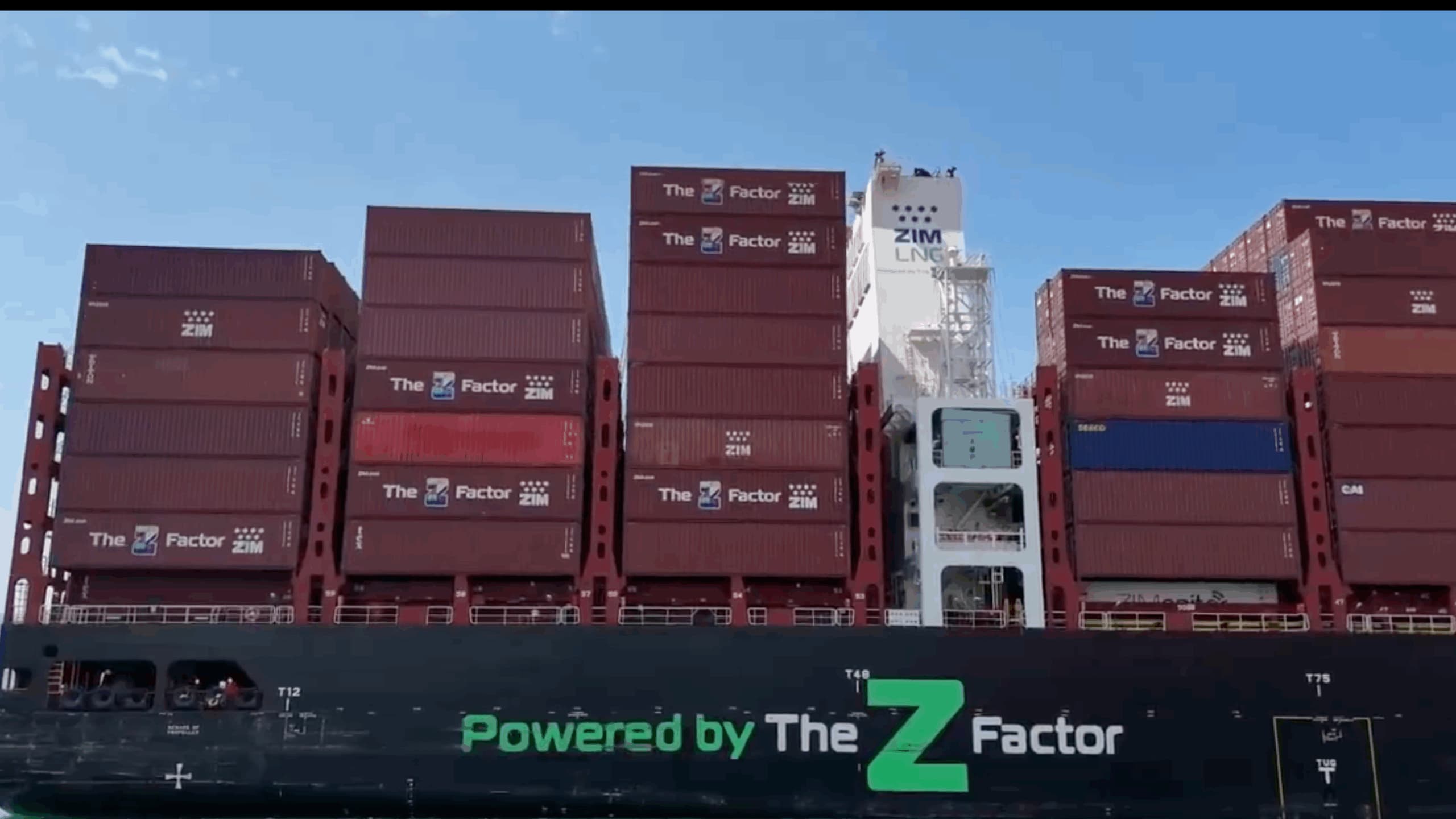
The spotlight is on Zim Integrated Shipping Services as interest surfaces over its potential acquisition by Hapag-Lloyd, a major player in global container shipping. Combining these two would create a giant commanding close to 10% of the worldwide container market, a heavyweight in global shipping and logistics circles. To put that in perspective, only a select few—like Mediterranean Shipping Company, Maersk, CMA CGM, and Cosco—hold similar double-digit market shares. The move would shake up the global freight landscape with a new powerhouse emerging. This kind of consolidation inevitably ripples through supply chains and distribution networks, potentially affecting the dynamics of cargo flow worldwide.
Ownership Structure Triggers Security Worries
While the merger chatter heats up, there’s a cloud of concern hovering from inside Zim itself. Employees have voiced alarm and are pressuring the Israeli government—not just any government stake, but one backed by a golden share—to pull the plug on the deal. Why? Because key investors in Hapag-Lloyd hail from Saudi Arabia and Qatar, nations with significant shares in the German shipping giant. This ownership mix raises flags over national security, prompting calls to block the acquisition. The entanglement of regional investment interests with strategic shipping assets has added complex layers to this potential deal.
Industry and Government Reactions
- Zim confirmed discussions with several parties, including Hapag-Lloyd, about a possible sale but remain tight-lipped on specifics.
- Hapag-Lloyd has declined to comment publicly, sticking to a no-comment policy regarding market speculation.
- The Israeli government's unique position as a stakeholder with a golden share means it has the power to intervene, especially when security concerns rise to the fore.
This scenario packs intrigue and illustrates the intricate balance governments maintain between fostering economic growth through mergers and protecting vital national interests.
Other Industry Players with Interest
Keeping the shipping world on its toes, other top-tier competitors such as MSC and Maersk have also eyeballed Zim for potential acquisition. This competition highlights Zim’s valued position in the freight and global logistics ecosystem. If acquired, the controlling company steps up in capacity and reach, influencing how logistics operators and freight forwarders manage container movements, delivery schedules, and global haulage routes.
What This Means for Logistics and Global Freight
Marrying two container giants impacts more than just company ledgers. It alters the flow of shipments across continents and demands shifts in how scaling, routes, and capacity are managed. Logistics planners must anticipate potential changes in freight pricing, availability of couriers, and the reliability of transit times for international shipments. For businesses moving bulky cargo or oversized freight, the stability and integrity of shipping lines are paramount.
| Company | Market Share (%) | Origin |
|---|---|---|
| MSC | 21.3 | Switzerland |
| Maersk | 13.9 | Denmark |
| CMA CGM | 12.3 | France |
| Cosco | 10.7 | China |
| Combined Hapag-Lloyd & Zim | ~10 | Germany & Israel |
The Israeli Government's Role and Employee Concerns
Possessing a golden share, the Israeli state can veto or influence deals with national repercussions. This case reflects the delicate tug-of-war where commercial interests meet national security considerations. Zim employees, as stakeholders in the company’s future stability, highlight fears tied to external ownership, particularly by investors from Saudi Arabia and Qatar, attributing a potential risk over strategic control in global maritime routes.
Potential Implications Going Forward
Should the acquisition proceed, stakeholders in logistics—from freight forwarders to shippers—need to prepare for changes that may affect international dispatch, haulage capacities, and container availability. Conversely, a blocked deal may maintain status quo yet draw attention to geopolitically motivated interventions in the sector. Navigating these tides is part and parcel of the modern logistics environment, where political and economic currents often influence throughput efficiency and shipping timeliness.
The Bigger Picture: Insights and Caller to Action
At the end of the day, while we rely on reviews and feedback to inform decisions, nothing quite replaces firsthand experience when assessing logistics providers or carriers. Platforms like GetTransport.com empower customers to order reliable cargo transportation worldwide, offering affordable rates and a versatile range—from office relocations to shipping bulky items like furniture and vehicles. Such services provide the transparency and convenience needed to steer clear of unnecessary costs or surprises.
Book now and explore the best offers on GetTransport.com to streamline your freight and delivery needs across borders and sectors.
Forecasting the Impact on Global Logistics
While this acquisition saga may not cause immediate tremors on the global logistics map, it undeniably reflects the intricate relations where ownership, national interest, and company strategy intersect. For platforms like GetTransport.com, staying updated with such developments means ensuring users can navigate their shipping and relocation options effectively amidst evolving industrial changes. Start planning your next delivery and secure your cargo with GetTransport.com.
Summary and Conclusion
The potential acquisition of Zim by Hapag-Lloyd is not just a corporate chess move; it intertwines with broader issues of national security and global market control. While the combined entity would become a major player in container shipping, questions over ownership by Saudi and Qatari investors have stirred government intervention debates. This dynamic underscores how deeply the world of freight, shipping, and logistics is connected to geopolitical factors, even as customers and businesses focus on reliability and affordability. Services like GetTransport.com sit right at this crossroads, offering flexible, transparent, and cost-effective global shipment and moving solutions—making them invaluable allies in the complex world of international logistics, no matter how the acquisition story unfolds.