


 Ελληνικά
  English (UK)
  Русский
  العربية
  日本語
日本語  한국어
한국어  Magyar
  Türkçe
  Español
  Čeština
  Svenska
  Português
  Suomi
Suomi  Nederlands
  Română
  Italiano
  Français
  Polski
  Українська
  Deutsch
  简体中文
简体中文  Slovenčina
 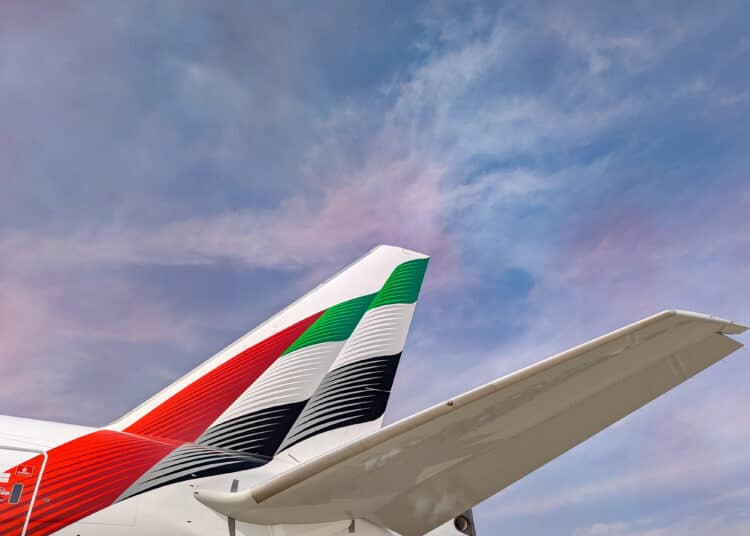 Astral Aviation Set to Boost Its Widebody Freighter Fleet with New 767-300Fs in 2026">

Widebody Growth Takes Flight at Astral Aviation
Stepping up its game in the air cargo sector, Astral Aviation is gearing up for notable growth in its widebody fleet during 2026. The Kenyan airline plans to integrate several Boeing 767 freighters to its current lineup, strengthening its cargo capacity and operational reach.
A Closer Look at the 767 Fleet Expansion
Astral Aviation has set sights on adding one Boeing 767-300F freighter during each half of the year 2026. These new aircraft will complement its existing 1988-vintage, CF6-powered 767-300BDSF, which was sourced from Amerijet and represents a significant asset to the carrier’s fleet. By broadening its widebody fleet in this manner, Astral targets enhanced efficiency and expanded cargo haulage capabilities across its key routes.
Context: The Strategic Importance of Widebody Freighters
Widebody freighters like the 767-300F are the workhorses of global air cargo, combining sizeable payloads with long-haul range that smaller aircraft can’t match. Their addition is a powerful move for a cargo carrier eyeing expansion across diverse markets and trade lanes.
| Μοντέλο αεροσκάφους | Ρόλος | Χωρητικότητα | Εύρος |
|---|---|---|---|
| Boeing 767-300F | Widebody freighter | ~58 tons | Approx. 3,000 nautical miles |
| Boeing 767-300BDSF | Widebody converted freighter | ~52 tons | Similar range to 767-300F |
Why Does This Matter for Cargo and Logistics?
Moving heavy or bulky goods internationally demands reliability, capacity, and operational flexibility. When a carrier like Astral bolsters its widebody fleet, it’s effectively upgrading its toolbox for bulk cargo shipments, container loading, and global reach—essentials in the forward-thinking world of logistics and freight forwarding.
Industry Movement: A Glimpse Beyond Astral
The aviation cargo sector is buzzing beyond just Astral. For instance, Gryphon Air plans to roll out its Boeing 737-400SF operations by year-end, broadening the narrowbody cargo segment. Meanwhile, Delta Cargo is enhancing its cargo management with the integration of IBS Software, highlighting digital innovation in logistics management. These moves signal a rising tide elevating cargo operations worldwide.
Growth, Technology, and the Future of Air Cargo
Technology, fleet diversity, and strategic expansions define the dynamic cargo air transport landscape. Airlines adopting both widebody and narrowbody freighters can tailor shipments, optimize load factors, and respond nimbly to market demands. Notably, converting passenger aircraft to freighters remains an effective, cost-conscious strategy to meet growing cargo volumes quickly.
Air Cargo’s Role in Global Supply Chains
Modern supply chains lean heavily on air transport for speed and reliability, especially when dealing with high-value, sensitive, or time-critical cargo. An expanded widebody fleet means more reliable haulage capacity for everything from electronics and perishables to automotive parts and industrial machinery.
The Logistics Angle: What This Means for Freight Forwarders and Shippers
For logistics providers and businesses shipping bulky or time-sensitive goods, Astral’s fleet expansion spells greater capacity and potentially better route options. More widebody freighters can translate into increased service frequency and diversified cargo routes—two golden tickets for creating seamless, cost-efficient shipments.
Additionally, increased availability of large-capacity freighters can help reduce shipping delays and buffer the system against disruptions, a constant headache in logistics management.
Key Considerations for Shippers and Logistics Managers
- Capacity options: More 767 freighters means greater potential for high-volume shipments.
- Route flexibility: Expanded fleets allow carriers to cover more destinations and offer better transit times.
- Cost efficiency: Modern, efficient aircraft help reduce per-unit freight costs.
- Reliability and speed: Up-to-date freighters improve schedule adherence and keep tight deadlines intact.
Astral Aviation’s Expansion in the Bigger Picture
While Astral’s investment might seem like a headline confined to African or regional markets, it signals a strengthening in global air cargo infrastructure. Freight forwarders handling international shipments from Africa to Europe, Asia, and the Americas stand to benefit from improved carrier options and enhanced cargo throughput capacity.
At the end of the day, nothing beats firsthand experience in logistics. While reviews and industry feedback can guide expectations, using platforms that offer a broad choice of carriers and options is paramount for savvy shippers. Services like GetTransport.com provide access to a vast pool of transport solutions worldwide, including air and land logistics, helping users find the best deals with transparency and convenience—whether you’re moving office equipment, bulky freight, vehicles, or household goods.
Book your cargo transportation effortlessly with GetTransport.com and tap into extensive global freight options at competitive prices.
Πρόβλεψη των Επιπτώσεων στην Εφοδιαστική
Though Astral’s fleet expansion may not radically disrupt global logistics on its own, it reflects a steady trend of capacity growth and modernization vital to a resilient air cargo network. For freight and shipping industries, especially those tied to African markets, these developments suggest a smoother flow of goods, more shipping options, and potentially better freight rates—win-win for all parties involved.
GetTransport.com remains committed to tracking these shifts, ensuring its users always have their finger on the pulse as the logistics world evolves. Start planning your next delivery and secure your cargo with GetTransport.com.
Περίληψη
In summary, Astral Aviation’s plan to grow its widebody freighter fleet with additional 767-300Fs in 2026 marks a significant step in expanding its cargo capabilities. These aircraft will enhance the airline’s ability to carry heavier, bulkier shipments over longer distances, making it a stronger player in international air freight markets.
This expansion aligns well with ongoing advancements in air cargo logistics, including technology integration and fleet diversification seen across the industry. For shippers, freight forwarders, and logistics managers, such developments mean more choices, improved service reliability, and better-driven costs—essential ingredients for efficient cargo dispatch and shipment on a global scale.
Platforms like GetTransport.com simplify these processes further, offering affordable and dependable freight and cargo transportation solutions worldwide, making it easier than ever to handle deliveries ranging from small parcels to large bulky goods.