


 Ελληνικά
  English (UK)
  Русский
  العربية
  日本語
日本語  한국어
한국어  Magyar
  Türkçe
  Español
  Čeština
  Svenska
  Português
  Suomi
Suomi  Nederlands
  Română
  Italiano
  Français
  Polski
  Українська
  Deutsch
  简体中文
简体中文  Slovenčina
 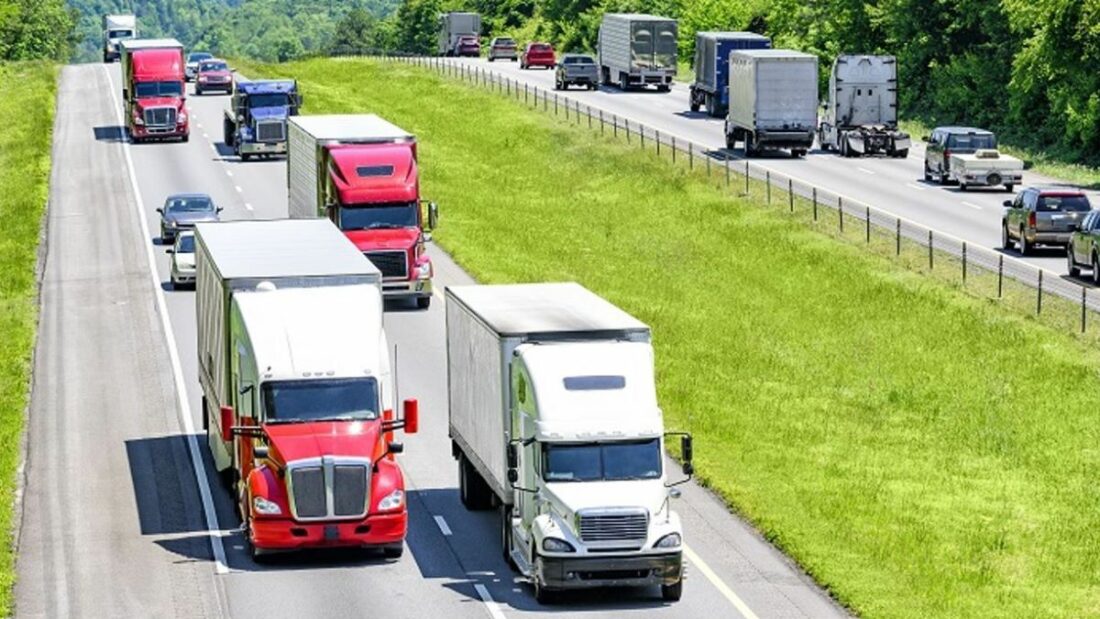 US Federal Court Blocks New Limits on Immigrant Truck Driver Licenses Impacting Freight Transport">

Ομοσπονδιακό Δικαστήριο Αναστέλλει τους Περιορισμούς Άδειας Οδήγησης για Μετανάστες Οδηγούς Φορτηγών στις ΗΠΑ
Μια πρόσφατη απόφαση ομοσπονδιακού εφετείου των ΗΠΑ ανέστειλε τη νέα πολιτική του Υπουργείου Μεταφορών που περιόριζε την πρόσβαση μεταναστών οδηγών φορτηγών σε επαγγελματικές άδειες οδήγησης. Αυτή η δικαστική απόφαση παγώνει την εφαρμογή της πολιτικής, η οποία στόχευε στην αυστηροποίηση των κριτηρίων επιλεξιμότητας για μετανάστες χειριστές επαγγελματικών οχημάτων, εν αναμονή περαιτέρω εξέτασης.
Ιστορικό του Πολιτικού Πλαισίου και της Δικαστικής Απόφασης
Οι περιορισμοί εισήχθησαν από τον Υπουργό Μεταφορών των ΗΠΑ, Sean Duffy, τον Σεπτέμβριο, λίγο μετά από ένα περιστατικό στη Φλόριντα όπου ένας μη εξουσιοδοτημένος οδηγός προκάλεσε ένα θανατηφόρο ατύχημα με τρεις νεκρούς. Ο νέος κανόνας επιδίωκε να περιορίσει τις άδειες επαγγελματικής οδήγησης σε μετανάστες που κατέχουν συγκεκριμένες βίζες, επικαλούμενος ανησυχίες για την ασφάλεια, όπως γλωσσικά εμπόδια που θα μπορούσαν να εμποδίσουν τη σωστή ερμηνεία των σημάτων τροχαίας.
Ωστόσο, το ομοσπονδιακό δικαστήριο στην Περιφέρεια της Κολούμπια αποφάνθηκε ότι η κυβέρνηση παρέλειψε τα απαιτούμενα διαδικαστικά βήματα για τη θέσπιση κανόνων και δεν εξήγησε επαρκώς πώς ο κανόνας θα ενίσχυε την οδική ασφάλεια. Η απόφαση επεσήμανε ότι τα στοιχεία από την Ομοσπονδιακή Υπηρεσία Ασφάλειας Μεταφορέων (FMCSA) δείχνουν ότι οι κάτοχοι άδειας μετανάστευσης αποτελούν περίπου το 5% του συνόλου των επαγγελματιών οδηγών, αλλά εμπλέκονται μόνο στο 0,21% των θανατηφόρων τροχαίων ατυχημάτων. Αυτό το στατιστικό στοιχείο υπονόμευσε τη δικαιολόγηση για τους αυστηρότερους περιορισμούς.
Επιπτώσεις των Περιορισμών στους Οδηγούς-Μετανάστες στην Καλιφόρνια
Η ώθηση για τους κανονισμούς αυτούς προήλθε εν μέρει από έναν έλεγχο στην Καλιφόρνια, όπου είχε εκδοθεί η άδεια του οδηγού του περιστατικού στη Φλόριντα. Ο έλεγχος διαπίστωσε ότι πολλοί μετανάστες κατείχαν άδειες οδήγησης για μεγάλο χρονικό διάστημα μετά τη λήξη των αδειών εργασίας τους. Ως προληπτική κίνηση, η Καλιφόρνια ανακάλεσε περίπου 17.000 επαγγελματικές άδειες οδήγησης σύμφωνα με τους προηγούμενους κανόνες, αν και οι ενέργειες αυτές είναι ξεχωριστές από εκείνες που ανεστάλησαν από τους νέους ομοσπονδιακούς περιορισμούς.
Οι νεότερες οδηγίες θα είχαν μειώσει δραστικά τον αριθμό των επιλέξιμων κατόχων άδειας μη πολιτών, επιτρέποντας να πληρούν τις προϋποθέσεις μόνο όσοι έχουν βίζα H-2a (προσωρινοί εργάτες γεωργίας), H-2b (προσωρινοί εργάτες μη γεωργικών εργασιών) ή E-2 (επενδυτές σε επιχειρήσεις των ΗΠΑ). Από τους περίπου 200.000 μετανάστες κατόχους επαγγελματικής άδειας, μόνο περίπου 10.000 θα πληρούσαν αυτές τις αυστηρότερες προϋποθέσεις. Ωστόσο, ο κανόνας δεν είναι αναδρομικός, επιτρέποντας σε πολλούς να διατηρήσουν τις άδειές τους μέχρι την ανανέωση.
Συνοπτικός Πίνακας: Αλλαγές στις Προϋποθέσεις Επιλεξιμότητας Άδειας
| Criteria | Πριν από τους Περιορισμούς | Προτεινόμενοι Νέοι Περιορισμοί | Κατάσταση Μετά την Αναστολή από το Δικαστήριο |
|---|---|---|---|
| Κάτοχοι Επαγγελματικής Άδειας Μετανάστες | Περίπου 200.000 άτομα | Μόνο ~10.000 με συγκεκριμένες βίζες είναι επιλέξιμοι | Αναστολή περιορισμών σε νέους κανόνες· οι υπάρχουσες άδειες ισχύουν μέχρι την ανανέωση |
| Τύποι Visa που είναι Επιλέξιμοι Σύμφωνα με τον Νέο Κανόνα | Δεν περιορίζεται ρητά | H-2a, H-2b, E-2 μόνο | Δεν επιβάλλεται επί του παρόντος |
| Ανακλήσεις Άδειας Καλιφόρνιας | Κανένα συγκεκριμένο για αυτήν την πολιτική | 17.000 άδειες ανακλήθηκαν βάσει προηγούμενων κανόνων | Συνεχίζει ανεξάρτητα από την ομοσπονδιακή αναστολή |
Δεδομένα Ασφαλείας και Επιπτώσεις Πολιτικής
Η κυβέρνηση υποστήριξε ότι τα γλωσσικά εμπόδια μεταξύ των οδηγών φορτηγών μεταναστών οδηγούσαν σε μη ασφαλή οδήγηση, αλλά τα στατιστικά στοιχεία ασφαλείας σκιαγραφούν μια διαφορετική εικόνα. Τα δεδομένα δείχνουν ότι οι εμπορικοί οδηγοί μετανάστες εμπλέκονται σε σημαντικά λιγότερα θανατηφόρα ατυχήματα σε σύγκριση με την αναλογία τους στον πληθυσμό των οδηγών. Το δικαστήριο τόνισε αυτή την ασυμφωνία, υποδηλώνοντας ότι το σκεπτικό ασφαλείας του νέου κανόνα είναι, στην καλύτερη περίπτωση, αδύναμο χωρίς μια διεξοδική εξήγηση και ανάλυση.
Η απόφαση αυτή εγείρει σημαντικά ερωτήματα για τον κλάδο των οδικών μεταφορών και τον τομέα της εφοδιαστικής. Η έλλειψη οδηγών φορτηγών αποτελεί μια διαρκή πρόκληση στις μεταφορές εμπορευμάτων και φορτίου και οι περιορισμοί που περιορίζουν την πρόσβαση θα μπορούσαν να επιβαρύνουν περαιτέρω τις αλυσίδες εφοδιασμού που ήδη υφίστανται πιέσεις. Η διατήρηση ενός ποικίλου και εξειδικευμένου εργατικού δυναμικού βοηθά στη διατήρηση της αποτελεσματικής διακίνησης αγαθών σε όλες τις περιοχές.
Ευρύτερος Αντίκτυπος στην Εφοδιαστική
- Διαθεσιμότητα οδηγού: Η αυστηρότερη αδειοδότηση ίσως να μείωσε τη δεξαμενή των επαγγελματιών οδηγών, επηρεάζοντας αρνητικά τις οδικές μεταφορές και τη διακίνηση εμπορευμάτων.
- Κίνδυνος εφοδιαστικής αλυσίδας: Οι περιορισμοί θα μπορούσαν να διαταράξουν τις αποστολές και να αυξήσουν το κόστος λόγω της έλλειψης οδηγών.
- Ρυθμιστική αβεβαιότητα: Απότομες αλλαγές και ανατροπές στους κανόνες θα μπορούσαν να προκαλέσουν σύγχυση στους σχεδιαστές logistics και στους μεταφορείς.
- Πολιτικές βάσει δεδομένων: Η σημασία των πολιτικών που βασίζονται σε ισχυρά δεδομένα ασφαλείας υπογραμμίζεται για να εξισορροπηθεί η ασφάλεια με τις επιχειρησιακές ανάγκες.
Βασικές Κατηγορίες Visa για Επιλέξιμους Οδηγούς
- H-2a: Εποχικοί γεωργικοί εργάτες
- H-2b: Εποχικοί εργάτες σε μη γεωργικές εργασίες
- E-2: Επιχειρηματίες επενδυτές με σημαντική επιχειρηματική δραστηριότητα στις ΗΠΑ
Συνεχιζόμενες Εξελίξεις και Αντίδραση του Κλάδου
Ενώ η άμεση συνέπεια της αναστολής από το ομοσπονδιακό δικαστήριο σημαίνει ότι οι αυστηρότεροι περιορισμοί δεν θα τεθούν σε ισχύ τώρα, οι ανησυχίες σχετικά με τα προσόντα των οδηγών και την ασφάλεια στην μεταναστευτική κοινότητα των φορτηγών παραμένουν θέματα συζήτησης. Πολιτείες όπως η Καλιφόρνια συνεχίζουν ξεχωριστούς ελέγχους και ανακλήσεις βάσει υφιστάμενων πολιτικών, αντανακλώντας συνεχή επαγρύπνηση.
Για την κοινότητα των logistics, η παρακολούθηση τέτοιων ρυθμιστικών αλλαγών είναι ζωτικής σημασίας, καθώς οι πολιτικές αδειοδότησης επηρεάζουν άμεσα το εργατικό δυναμικό που διατηρεί τις παραδόσεις σύμφωνα με το χρονοδιάγραμμα—από τους τοπικούς ταχυμεταφορείς έως τους διεθνείς διαμεταφορείς. Είναι μια υπενθύμιση ότι οι αλλαγές πολιτικής, ακόμη και αν ανασταλούν προσωρινά, διαχέονται στο τεράστιο δίκτυο μετακίνησης και διανομής φορτίου.
Γιατί η Προσωπική Εμπειρία Έχει Σημασία στις Επιλογές Logistics
Οι αριθμοί και οι κριτικές λένε ένα μέρος της ιστορίας, αλλά τίποτα δεν συγκρίνεται με την εμπειρία από πρώτο χέρι. Είτε αποφασίζετε για οδηγούς, συνεργάτες αποστολής ή λύσεις μεταφοράς, οι άμεσες συναντήσεις διαμορφώνουν την πραγματική κατανόηση. Πλατφόρμες όπως GetTransport.com δυνατότητα στους χρήστες με διαφανείς επιλογές και ανταγωνιστικές τιμές παγκοσμίως, μειώνοντας τις αβεβαιότητες και περικόπτοντας τα περιττά κόστη.
Με μια πλατφόρμα που προσφέρει αποτελεσματική μεταφορά εμπορευμάτων, από μετακομίσεις σπιτιών έως ογκώδη παράδοση εμπορευμάτων, από οχήματα έως δέματα, οι πελάτες απολαμβάνουν την άνεση της επιλογής σε συνδυασμό με την απλότητα. Αυτό ευθυγραμμίζεται απόλυτα με το σημερινό δυναμικό τοπίο της εφοδιαστικής, όπου η ευελιξία και η αξιοπιστία είναι υψίστης σημασίας. Κάντε κράτηση για τη βόλτα σας στο GetTransport.com για να βιώσετε την ευκολία και την αξία από πρώτο χέρι.
Προοπτικές για την Εφοδιαστική και τις Εμπορευματικές Μεταφορές
Αν και η αναστολή αυτών των περιορισμών στην άδεια οδήγησης ενδέχεται να μην ταρακουνήσει τις διεθνείς αγορές logistics στο σύνολό τους, αποτελεί μια σημαντική εξέλιξη στον κλάδο των εμπορευματικών μεταφορών των ΗΠΑ. Η ενημέρωση για τέτοιες εξελίξεις βοηθά τους ενδιαφερόμενους να προβλέψουν τις κανονιστικές αλλαγές και να σχεδιάσουν ανάλογα, διασφαλίζοντας αδιάλειπτες λειτουργίες αποστολής και διανομής.
GetTransport.com δεσμεύεται να παρακολουθεί στενά αυτές τις αλλαγές, βοηθώντας επιχειρήσεις και ιδιώτες να διατηρούν την ομαλή ροή των εμπορευμάτων τους σε ένα μεταβαλλόμενο ρυθμιστικό περιβάλλον. Ξεκινήστε να σχεδιάζετε την επόμενη παράδοσή σας και ασφαλίστε το φορτίο σας με GetTransport.com.
Συμπέρασμα: Εξισορρόπηση Ασφάλειας, Ρύθμισης και Αποτελεσματικότητας Logistics
Η υπόθεση αυτή αναδεικνύει την πρόκληση της εξισορρόπησης των κανονισμών ασφαλείας με τις πρακτικές υλικοτεχνικές ανάγκες. Η αναστολή από το αμερικανικό δικαστήριο των περιορισμών στις επαγγελματικές άδειες οδήγησης που σχετίζονται με τη μετανάστευση υπογραμμίζει την ανάγκη για πολιτικές που βασίζονται σε αξιόπιστα δεδομένα και δίκαιες διαδικασίες. Καθώς η ώθηση κινείται προς αποφάσεις που υποστηρίζονται από δεδομένα, ο τομέας της εφοδιαστικής μπορεί να επωφεληθεί από ένα σταθερό και δίκαιο περιβάλλον που προάγει τόσο την ασφάλεια όσο και την επιχειρησιακή αποτελεσματικότητα.
Με εκατομμύρια αποστολές, φορτία και δέματα να μετακινούνται καθημερινά, οι αξιόπιστοι οδηγοί παραμένουν η ραχοκοκαλιά των συστημάτων μεταφοράς και διανομής. Πλατφόρμες όπως GetTransport.com παρέχει μια παγκόσμια αγορά που ανταποκρίνεται σε αυτές τις ανάγκες, προσφέροντας ένα ευρύ δίκτυο αξιόπιστων επιλογών μεταφοράς για μετακομίσεις σπιτιών, μεταφορά οχημάτων, ογκώδη εμπορεύματα και διεθνείς μεταφορές εμπορευμάτων. Η διαφάνειά τους, οι ανταγωνιστικές τιμές και η επιλογή βάσει των αναγκών του χρήστη απλοποιούν τον πολύπλοκο κόσμο της εφοδιαστικής και της αποστολής για κάθε πελάτη.