


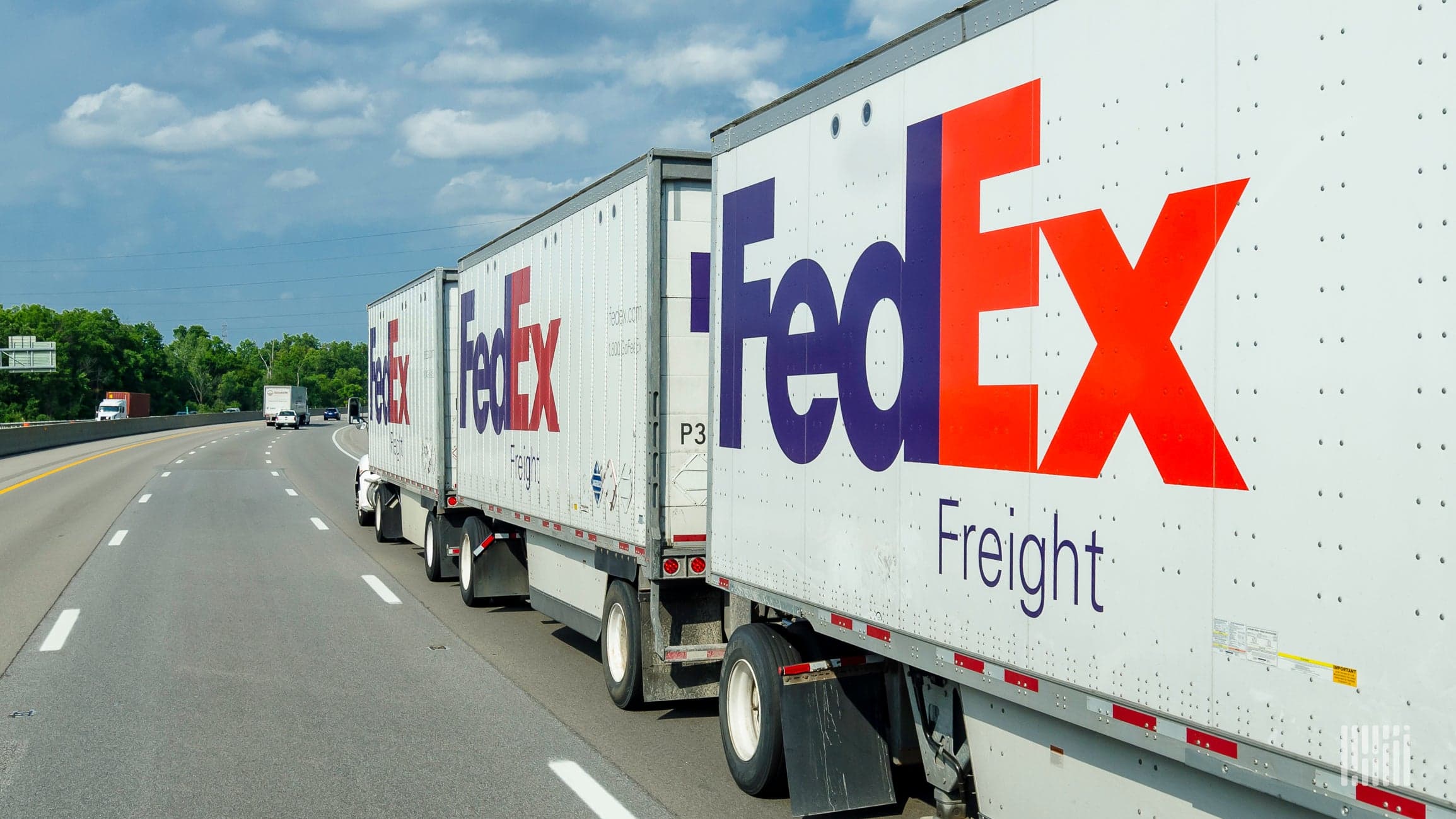

FedEx has filed a complaint in the U.S. Court of International Trade seeking reimbursement for all duties it paid under the International Emergency Economic Powers Act (IEEPA) after the U.S. Supreme Court found the administration exceeded that statute in imposing sweeping global tariffs.
What FedEx’s suit names and why it matters to shippers
The lawsuit names U.S. Customs and Border Protection, its commissioner and the United States as defendants. Legal counsel for FedEx is the Washington firm Crowell & Moring, which is also representing other major importers pursuing refunds — notably Costco, Revlon and EssilorLuxottica. The suits demand reimbursement of tariffs collected under IEEPA after the Supreme Court’s 6–3 decision declared those emergency tariffs unlawful.
Numbers on the table
The U.S. Treasury had collected more than $133 billion from tariffs imposed under emergency powers as of December. Economists warn the long-term budgetary and market effects could run into the trillions over the next decade if left unresolved.
Immediate operational effects for logistics providers
For carriers, freight forwarders, and 3PLs this is not just a legal tussle — it directly affects cash flow, pricing strategies and claims handling. Companies that absorbed tariffs instead of passing costs to customers may seek reimbursements; others will need to reprice contracts and update customs entries and reconciliation processes. When push comes to shove, reconciliation of duties changes routing decisions and the cost calculus for international shipping lanes.
| Stakeholder | Role | Immediate impact |
|---|---|---|
| FedEx | Plaintiff seeking refunds | Cash recovery; precedent for other carriers |
| Customs & Border Protection | Defendant; tariff collector | Administrative burden; refund process |
| Importers (e.g., Costco) | Co-litigants/claimants | Potential cash inflows; supply-chain repricing |
| Retailers & logistics firms | Operational stakeholders | Inventory valuation, contract renegotiations |
How the industry is reacting
The National Retail Federation urged a fast, "seamless" refund process so importers can reinvest in operations and employees. Retailers argue reimbursements would free working capital and reduce the need for emergency price hikes. At the same time, some policymakers and the White House have signaled they will pursue alternate tariff authorities rather than accept the ruling as the final word.
- Retail pressure: Calls for quick refunds to restore business certainty.
- Legal ripple effect: Additional importers are lining up to claim back duties.
- Operational scramble: Customs reconciliations and IT updates to manage refunds.
Alternative powers on the table: what the administration could use next
President Trump suggested the administration could press forward with levies of 10%–15% via other authorities and mentioned using licenses and other tools “in a much more powerful and obnoxious way.” One concrete option under consideration is Section 122 of the Trade Act of 1974, which allows the president to impose tariffs up to 15% for 150 days; extensions beyond that require congressional approval.
Why Section 122 matters for logistics planners
If invoked, Section 122 would produce shorter-term levies that may be renewed only with legislative buy-in. That creates a different planning horizon for freight buyers and carriers: quick pricing shocks and the need for agile contract clauses, rather than long-running tariff regimes. Freight procurement managers will need contingency plans to avoid getting burned when spot rates swing.
Practical implications for transport and supply chains
Here’s how logistics operations could feel the pinch or benefit depending on outcomes:
- Cash flow: Refunds would return liquidity to importers and carriers, improving working capital for inventory and distribution.
- Pricing: Short-term levies (10%–15%) would pressure landed cost calculations, changing choices for air vs. ocean freight, consolidation, and routing.
- Customs operations: Reconciliation and claims processes create administrative load — expect a spike in filings and audits.
- Contracting: Forwarders and carriers may revisit force majeure and tariff-pass-through clauses.
I've seen logistics teams burn midnight oil over far less—so this is a real “heads up” for anybody managing cross-border shipments. Better safe than sorry: update your tariff contingency playbook now.
Fast checklist for logistics managers
- Audit past import entries to identify recoverable tariff payments.
- Coordinate with customs brokers on refund procedures and timelines.
- Model landed-cost scenarios including potential 10%–15% short-term levies.
- Communicate with customers about possible cost volatility and lead-time changes.
Key takeaways and industry highlights
The ruling, the lawsuits and the talk of alternative authorities all boil down to three practical points: legal precedent matters, cash matters, and planning matters. For freight, shipment scheduling, and haulage operations this legal back-and-forth will influence pricing, carriers’ liability posture, and how quickly refunds circulate back through supply chains. Even the best reviews and the most honest feedback can’t replace first-hand experience; on GetTransport.com, you can order your cargo transportation at the best prices globally at reasonable prices. This empowers you to make the most informed decision without unnecessary expenses or disappointments. The platform’s transparency and convenience mean shippers can compare options for office and home moves, large items, vehicles, bulky cargo, and standard deliveries with confidence. Book now GetTransport.com.com
Forecasting the global logistics impact: the Supreme Court decision creates uncertainty in the short term but does not automatically upend global trade flows. If the administration pivots to Section 122 or similar tools, expect short, sharp tariff episodes rather than a long-term tariff regime — significant for pricing and operational planning, but not catastrophic for global logistics. GetTransport.com aims to stay abreast of these developments and help shippers adapt; Book your cargo transportation with GetTransport.com today!
In summary, FedEx’s legal action seeks restitution for tariffs deemed improperly applied under IEEPA after the Supreme Court strike-down, while the administration’s threat of fresh 10%–15% levies via other statutory routes keeps the supply-chain landscape fluid. The immediate effects will be administrative — refunds, reconciliations and cash-flow redistribution — but the longer-term consequence is a renewed emphasis on agility in shipping decisions. For shippers and carriers, the lesson is clear: update customs processes, stress-test contracts, and keep your freight, parcel and container plans flexible. Platforms like GetTransport.com can simplify transport decisions, offering reliable, affordable options for freight, forwarding, moving and bulky-item delivery so logistics teams can focus on execution rather than paperwork.