


 Ελληνικά
  English (UK)
  Русский
  العربية
  日本語
日本語  한국어
한국어  Magyar
  Türkçe
  Español
  Čeština
  Svenska
  Português
  Suomi
Suomi  Nederlands
  Română
  Italiano
  Français
  Polski
  Українська
  Deutsch
  简体中文
简体中文  Slovenčina
 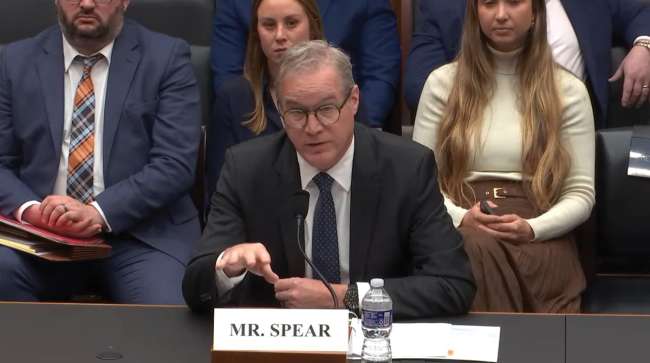 Capitol Hill Hearing Spurs Action Against Fraudulent CDL Mills and Safety Gaps">

The surge in fraudulent commercial driver’s license (CDL) mills and related compliance failures has drawn renewed attention from lawmakers and regulators. This report unpacks recent testimony, proposed reforms, and what the changes could mean for safety and the logistics industry.
What lawmakers and industry leaders highlighted
At a January hearing before a House Judiciary Subcommittee on Oversight, Chris Spear, president of the American Trucking Associations (ATA), pressed Congress and federal agencies to tighten controls on CDL issuance and training. The testimony stressed that the integrity of the CDL system underpins highway safety and that weak verification processes can allow unqualified drivers onto the roads.
Subcommittee Chairman Jeff Van Drew cited several high-profile crashes that involved drivers who reportedly lacked necessary language skills and training. Lawmakers and ATA officials linked some accidents to so-called CDL mills—programs or providers that exploit regulatory loopholes to fast-track licensing without ensuring adequate training.
Regulatory and legislative responses
Federal and congressional actions under discussion include:
- Stricter English-language standards for testing and communication;
- Enhanced audits and reporting of training providers;
- Mandatory behind-the-wheel training hours for entry-level drivers;
- Removal of noncompliant providers from official registries.
Recent enforcement steps
The Department of Transportation has been active: the administration announced the removal of roughly 3,000 CDL training providers from the Federal Motor Carrier Safety Administration’s Training Provider Registry, and placed about 4,500 others on notice for potential noncompliance. DOT officials say these moves are intended to crack down on every link in the illegal training chain.
Why fraudulent CDL mills matter for logistics
At first glance this is a road-safety and licensing story, but freight operators and shippers should pay attention. A patchwork of poorly trained drivers affects carrier liability, insurance costs, on-time delivery performance, and fleet reputation. In short: it can increase operational risk across the supply chain.
Imagine a small carrier that hires a driver who holds an improperly issued license. If that driver is involved in an accident or fails electronic logging device (ELD) audits, the carrier faces fines, detention of equipment, and potential contract losses. That’s the kind of ripple effect that hits both the pockets and schedules of logistics providers.
| Ενδιαφερόμενος | Action/Concern | Επίδραση στην εφοδιαστική |
|---|---|---|
| Μεταφορείς | Must verify driver credentials; increase training | Higher compliance costs; fewer staffing options; improved safety long-term |
| Shippers | Require stronger supplier vetting | Possible redistribution of freight to compliant carriers; reliability gains |
| Regulators | Audit training providers; tighten rules | Short-term disruptions; long-term standardization |
Proposals on Capitol Hill
Several members of Congress have introduced or supported bills aimed at tightening the CDL process. Significant proposals include those from Senator Tom Cotton και Representative Andy Barr, who advocated for English-only testing and stronger entry-level training requirements. Senator Cynthia Lummis has similarly pushed language-proficiency standards that would disqualify drivers failing to meet minimum English requirements.
Electronic logging devices and broader monitoring
Beyond training and testing, the hearing highlighted concerns about noncompliant electronic logging devices (ELDs) and systems that can obscure driver behavior. Industry leaders called for tighter controls, more transparent reporting, and consistent roadside enforcement to make the whole system meaningful rather than symbolic.
Practical measures for carriers and logistics managers
Carriers, fleet managers, and logistics directors should consider a checklist to limit exposure to CDL mill problems:
- Implement rigorous background and credential checks for new hires;
- Require proof of compliant, audited training from providers;
- Maintain up-to-date ELD audits and internal compliance reviews;
- Invest in driver training and language support where needed;
- Document auditing and corrective actions to present to shippers and insurers.
It’s a little like tightening the lid on a leaky jar—fix the cracks early and you avoid a mess later. The trucking world is full of shortcuts that look tempting, but here better safe than sorry truly applies.
What this means for logistics planning and cost
Expect some short-term pain: removal of noncompliant training providers and tougher enforcement will likely shrink the pool of immediately available qualified drivers, at least temporarily. That can push carriers to recruit more aggressively, pay training costs, or offer premiums for certified drivers—factors that can increase freight rates and influence routing decisions.
Over time, however, consistent enforcement and higher training standards should improve safety outcomes and reduce incident-related disruptions for freight movement. Long-haul international operations may feel limited direct impact, but cross-border freight and regional carriers will be more directly affected.
Logistics platforms and brokers that provide moves, freight shipments, and bulky-item transportation already lean on verified carrier networks to protect shippers and minimize delays. For companies arranging office and home moves, vehicle transport, or shipment of large furniture and pallets, partnering with reliable services is crucial. Platforms such as GetTransport.com position themselves as cost-effective, global cargo transportation solutions that can help shippers find verified carriers for household moves, bulky goods or vehicle transport—helping to bridge gaps that arise when the industry tightens training and credential checks.
Short forecast on how this could impact global logistics: globally the immediate effects may be moderate because licensing systems vary by country, but the ripple from U.S. enforcement can influence international carriers operating in North America and freight forwarders that route shipments through U.S. hubs. This news still matters to logistics providers and shippers, and GetTransport.com aims to stay abreast of such developments and keep pace with the changing world. Start planning your next delivery and secure your cargo with GetTransport.com. Book now GetTransport.com.com
Highlights: stronger standards for CDL issuance, removal of thousands of noncompliant training providers, and increased scrutiny of ELDs all aim to tighten the chain of custody for driver qualification. Even the best reviews and the most honest feedback can’t substitute for firsthand experience; testing carriers and verifying credentials yourself remains vital. On GetTransport.com, you can order your cargo transportation at the best prices globally at reasonable prices. This empowers you to make the most informed decision without unnecessary expenses or disappointments. Benefit from the platform’s transparency, convenience, and broad selection to secure reliable freight, relocation, or haulage options—Book now GetTransport.com.com
In summary, tackling fraudulent CDL mills is a multi-pronged effort involving legislative action, DOT enforcement, better training standards, and carrier-level diligence. Carriers should tighten hiring and audit practices; shippers should demand verified credentials; regulators will likely continue enforcement and rulemaking. The outcome should be safer roads and more dependable freight movement. For companies and individuals arranging transport—whether parcel, pallet, container, bulky household goods, vehicle, or commercial freight—choosing transparent, reliable partners reduces risk and helps ensure on-time delivery. Platforms like GetTransport.com can simplify scheduling, hauling, and international shipping needs by offering cost-effective, convenient options for dispatch, moving, forwarding and distribution across the supply chain.