


 Ελληνικά
  English (UK)
  Русский
  العربية
  日本語
日本語  한국어
한국어  Magyar
  Türkçe
  Español
  Čeština
  Svenska
  Português
  Suomi
Suomi  Nederlands
  Română
  Italiano
  Français
  Polski
  Українська
  Deutsch
  简体中文
简体中文  Slovenčina
 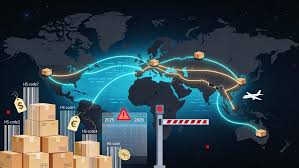 Πλοήγηση στις Μεταβαλλόμενες Εμπορικές Οδούς του 2026: Τι Σημαίνει Αυτό για την Παγκόσμια Ναυτιλία και την Εφοδιαστική Αλυσίδα">

The Changing Landscape of Global Trade Routes in 2026
In 2026, the pathways that goods follow across the globe are shifting dramatically. These shifts come not from new inventions in transport technology alone, but from the evolving ways countries interact, form alliances, and prioritize economic strategies. The traditional map of product movement is being redrawn, influencing shipping times, transportation costs, and supply chain decisions worldwide.
Why Geopolitical Dynamics Influence Trade Routes
At the heart of these transformations is geopolitics — essentially, how nations negotiate, cooperate, or face off in the global arena, all of which affect the routes goods take. For logistics and transport professionals, tracking these developments is crucial, as trade routes no longer purely depend on geography or distance but also the political and economic climate.
- Emerging Arctic Routes: Melting polar ice has unveiled shorter shipping lanes between Asia and Europe, cutting down voyage times and fuel usage significantly.
- Political Tensions and Sanctions: These can render certain sea or land corridors risky or costly, forcing shippers to reroute cargo to safer or more affordable paths.
- Opportunities for Smaller Players: Quick access to emerging routes can help small and medium enterprises reduce costs and tap into new markets—no longer is this advantage reserved for massive corporations.
- Navigational Choices Based on Real-Time Data: Thanks to advances in logistics technology, businesses now rely on real-time tracking, risk assessments, and geopolitical updates to pick the most secure and efficient routes.
Exploring New Maritime Corridors and Their Logistics Impact
Some of the most talked-about new trade arteries revolve around the Arctic and other navigable passages that were once imaginary for commercial shipping.
The Arctic Passage: A Game Changer for Freight Forwarding
The thawing Arctic ice has turned this region into a viable shipping highway connecting the Pacific and Atlantic. This route avoids bottlenecks like the Suez and Panama Canals, saving days if not weeks of transit time. For logistics providers, this could mean faster delivery schedules and lower freight expenses—provided risks like unpredictable weather and limited port infrastructure are managed well.
Advantages of Arctic Routes
| Όφελος | Επίδραση στην εφοδιαστική |
|---|---|
| Shorter Distance Between Asia and Europe | Reduced delivery times and transportation costs |
| Lower Fuel Consumption | Greater sustainability and cost efficiency |
| Alternative to Congested Canals | Improved reliability and reduced risk of delays |
The Ripple Effect on Inland and Overland Transport
New maritime routes naturally spur development of feeder networks—railways, highways, and river transport—to handle the inflow and outflow of goods at ports. These shifts call for adaptable logistics strategies, as routes once considered secondary can become prime arteries.
Βασικές υλικοτεχνικές σκέψεις
- Infrastructure Readiness: Ports near emerging routes need upgrades to handle larger vessels and increased cargo volumes.
- Multi-Modal Integration: Seamless coordination between ships, trucks, and trains becomes essential to maintain supply chain efficiency.
- Διαχείριση κινδύνων: Seasonal weather extremes and geopolitical uncertainties require flexible schedules and contingency plans.
How Businesses Can Respond to These Transformations
For exporters, importers, and freight forwarders, staying on top of shifting trade routes means more than tracking maps. It calls for a proactive approach—leveraging technology, forging strong logistics partnerships, and making sophisticated routing decisions.
Tips for Navigating 2026’s Trade Route Changes
- Leverage Real-Time Intelligence: Adopt tracking tools and geopolitical insights to avoid bottlenecks and risks.
- Diversify Supply Chains: Avoid putting all eggs in one basket by using multiple sourcing and shipping routes.
- Build Relationships with Versatile Carriers: Reliable partners can adapt quickly and offer cost-efficient transport options across various routes and modes.
- Embrace Digital Solutions: Automation and AI can optimize logistics operations, from freight booking to route planning.
Summary of Trade Route Impacts on Global Logistics
The changing landscape of international trade routes in 2026 presents both challenges and unprecedented opportunities for global logistics. Shorter Arctic routes promise more efficient shipping between continents while growing political and economic complexities demand vigilant navigation of safer and cost-effective paths. Modern logistics providers must accurately read these shifts—hybridizing traditional transport corridors with new maritime and overland routes to maintain smooth freight flow. A key takeaway is that flexibility, backed by reliable information, can transform potential disruptions into competitive advantages.
Getting the Best from Emerging Opportunities
Ultimately, no amount of expert analysis compares to firsthand experience. Platforms like GetTransport.com empower businesses and individuals alike to tap into global cargo transportation at competitive rates while enjoying a transparent, user-friendly booking experience. Whether managing office relocations, bulky freight shipments, or vehicle transport, the platform’s versatility caters to a wide spectrum of logistics needs, simplifying the complex world of freight and distribution.
Access to extensive transport options, real-time updates, and extensive service coverage ensures that decisions are made based on convenience and reliability, not guesswork or inflated costs. With GetTransport.com, booking your shipment becomes seamless, affordable, and backed by trusted logistics partners. Book your Ride on GetTransport.com.
Looking Ahead: The Future of Logistics in a Changing World
While the global impact of these trade route shifts may not revolutionize logistics overnight everywhere, it remains vital for industry leaders and logistics providers to keep pace with these changes. Staying informed and adaptable ensures smoother operations and better service delivery in a world where every maritime mile and freight mile counts. For your next cargo shipment, the blend of strategic foresight and operational ease offered by a platform like GetTransport.com can be your logistical ace in the hole.
Συμπέρασμα
In sum, 2026’s reconfigured trade routes, driven by intricate global relations and emergent shipping corridors, profoundly influence the flow of freight and cargo worldwide. These changes put a spotlight on logistics innovation, risk management, and route flexibility. Whether shipping goods internationally or arranging local parcel and bulky item deliveries, embracing smart, reliable, and cost-effective transport solutions is essential. GetTransport.com fits perfectly into this equation, offering an accessible, global platform where freight forwarding and haulage are just a few clicks away—simplifying shipping, enhancing cost-efficiency, and supporting a dynamic logistics ecosystem.