


 Ελληνικά
  English (UK)
  Русский
  العربية
  日本語
日本語  한국어
한국어  Magyar
  Türkçe
  Español
  Čeština
  Svenska
  Português
  Suomi
Suomi  Nederlands
  Română
  Italiano
  Français
  Polski
  Українська
  Deutsch
  简体中文
简体中文  Slovenčina
  Reskilling Logistics Talent: Navigating Automation’s Impact on Freight and Delivery">

Facing the Human Challenge in Logistics Automation
While the buzz around technology in logistics—artificial intelligence, cloud-based systems, predictive analytics—dominates discussions, there’s an often overlooked but critical factor: the people behind the tools. Across Southeast Asia, especially in the Philippines, companies are investing heavily in digital upgrades, only to find progress slowed not by the tech itself, but by workforce readiness. It turns out automation’s success hinges less on software complexity and more on human confidence and adaptability.
The Current Landscape: A Workforce Caught Between Old and New
Many employees in freight forwarding and logistics brokerage firms still rely on traditional methods like paper manifests and legacy spreadsheets. They carry rich operational knowledge, yet the transition to digital systems feels sudden and intimidating. This gap breeds uncertainty—employees often worry automation spells job cuts rather than new possibilities, while management frets over productivity dips during adaptation periods. The result? Hesitation that stalls technology adoption.
This tension isn’t unique to the Philippines. An ASEAN-wide study pegged “limited digital skills” as the biggest bottleneck for modernization, outpacing even concerns over budget constraints. The region, therefore, faces a classic race: automation speeds ahead, but workforce skills trail behind.
Essential Skills for the Future of Logistics
The logistics professional of tomorrow won’t be a programmer per se, but they’ll need to work hand-in-glove with advanced systems. Here are the key competencies reshaping the industry:
- Digital Fluency: Knowing the flow of information across freight platforms, customs systems, and data portals, moving beyond “button-pressing” to understanding data origins and destinations.
- Analytical Thinking: As automation takes over routine transactions, human roles pivot to interpreting trends, analyzing dashboards, and making strategic decisions based on data insights.
- Communication & Adaptability: Embracing ongoing tech changes requires continuous learning and teamwork across departments—skills that were often undervalued in the traditionally process-bound logistics world.
In essence, the workforce is shifting from following procedures to enabling decisions and steering innovation.
Human-Centric Approaches to Digital Transformation
Countless digital projects stumble not because the technology fails, but because managing change was sidelined. A fresh approach centers on the people—prioritizing training, empathy, and support to ease transitions.
Some trailblazers are experimenting with practical and fun ways to close skill gaps:
- Simulation-Based Learning: Allowing staff to practice new digital workflows in safe, risk-free environments.
- AI-Powered Assistants: Tools that guide users through system steps using everyday language, akin to having a co-pilot during complex operations.
- Προγράμματα καθοδήγησης: Pairing tech-savvy younger workers with experienced veterans to share knowledge and skills across generations.
This dual project approach—reskilling alongside system rollout—transforms apprehension into confidence, and technology into a team player.
ASEAN’s Regional Push for Workforce Reskilling
The logistics sector in ASEAN supports over 17 million jobs, with automation primed to impact many within the next decade. Countries such as Singapore have already rolled out lifelong learning frameworks with incentives for digital skill upgrades. Malaysia and Thailand have strategically invested in specialized training centers focusing on automation and data management.
The Philippines is taking strides too, through government-aligned programs promoting digital logistics skills. Still, greater synergy between educational institutions, industry players, and technology providers remains vital to accelerate readiness.
Reskilling logistics talent stands not just as a workforce matter but as a critical element for the region’s economic competitiveness.
Logistics in the Age of Automation: A New Social Contract
Logistics has always thrived on movement—the flow of goods, information, and opportunities. Now, it must champion the flow of skills as well. Automation might turbocharge trade efficiency, but it’s people who will anchor that growth and navigate its complexities.
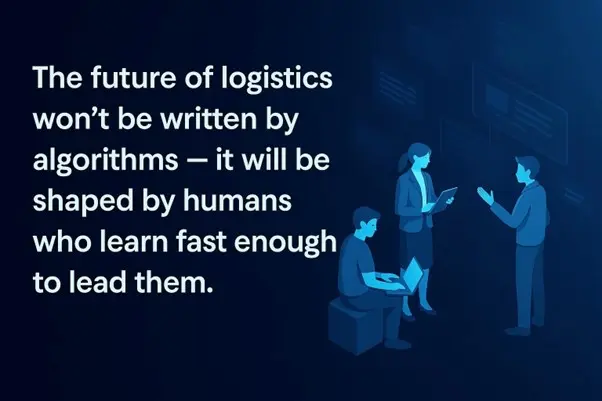
The future won’t be shaped by algorithms alone; it will be crafted by savvy professionals who keep pace with change and lead technology with foresight.
How Reskilling Impacts the Larger Logistics Ecosystem
Preparation and adaptability in the workforce directly influence logistics efficiency—from freight forwarding and shipment scheduling to delivery and inventory management. An empowered, digitally fluent team ensures smoother cargo handling, more accurate tracking, and better customer service, reducing costly delays and enhancing reliability. This plays out globally, affecting supply chains, haulage, and distribution networks.
| Skill Area | Περιγραφή | Benefits to Logistics |
|---|---|---|
| Digital Fluency | Understanding data flows and tech platforms | Speeds up customs clearance and cargo tracking accuracy |
| Analytical Thinking | Interpreting data to make informed decisions | Improves route optimization and inventory control |
| Communication & Adaptability | Continuous learning and cross-team collaboration | Facilitates agile problem solving and tech adoption |
Embracing Change with GetTransport.com
Even the most detailed reviews and honest feedback can’t always guarantee how new logistics technologies will play out on the ground—only firsthand experience fills in those gaps. Fortunately, platforms like GetTransport.com empower you to navigate this evolving landscape with ease. Offering affordable, global cargo transportation solutions, the platform suits a wide variety of needs—from office relocations and home moves to shipping bulky items like furniture and vehicles.
With a robust network of trusted transport providers, GetTransport.com blends convenience, transparency, and cost-effectiveness into one seamless experience. It’s the perfect partner for anyone looking to harness logistics innovations without breaking the bank or sacrificing reliability. Book your Ride on GetTransport.com and make the smartest move today!
Looking Ahead: The Impact on Global Logistics
The push for reskilling in logistics might not immediately rewrite the rules of global freight or overhaul international shipping overnight. Yet, it echoes loudly within regional markets, driving momentum that eventually influences worldwide supply chains. Staying updated on these shifts helps platforms like GetTransport.com remain agile and responsive as transportation demands evolve.
For your next cargo transportation, consider the blend of reliability, affordability, and innovation that GetTransport.com offers as logistics embrace this digital transformation.
Συμπέρασμα
The wave of automation sweeping through the logistics sector spotlights an often underestimated truth: technology alone isn’t enough. Reskilling the workforce to understand and collaborate with these digital tools is essential to unlock true modernization potential. From enhancing digital fluency to cultivating analytical and communication skills, logistics professionals are evolving from process enforcers into insightful decision-makers.
This evolution shapes the efficiency and reliability of freight, shipment delivery, and freight forwarding globally. With platforms like GetTransport.com simplifying the complex web of transport and moving services, the logistics industry gains a powerful ally that meets diverse needs with unmatched cost-effectiveness and convenience. As supply chains become smarter, so too do the people and tools driving them forward.