


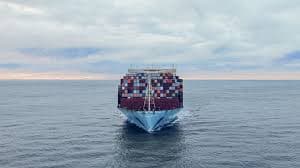

Immediate logistics impacts: fuel, routing and transit times
Rising crude prices from the Gulf region conflict have an immediate pass-through effect on transportation costs across road, rail, sea and air. Carriers and freight forwarders face higher bunker and diesel bills, which translates to surcharges, slower vessel rotations, and selective acceptance of low-margin lanes. At the same time, insurance premiums for transits through adjacent sea corridors climb, prompting rerouting that lengthens lead times and increases fuel burn.
What operators are seeing on the ground
Sunil Kohli, MD of Rahat Cargo, has observed that volatility in global commodity markets — notably crude oil — is feeding into manufacturing and transport expenses, while creating pressure on currency pairs such as the Indian Rupee. These dynamics pressure input costs for exporters and importers and can force logistics managers to reconsider mode choices and contract terms.
Short-term operational consequences
- Fuel surcharges become more frequent and volatile, complicating rate negotiations.
- Rerouting away from high-risk corridors increases transit times and handling needs.
- Port congestion may intensify where vessels bunch up from rerouted services.
- Insurance and war-risk premiums rise, adding fixed overheads to shipments.
- Currency fluctuations amplify cost uncertainty for international contracts.
How this translates into freight pricing and supply-chain strategy
Logistics providers often spot the effect of crude-driven shocks in two places: a direct rise in transport rates and an indirect hit to manufacturing margins that reduces demand elasticity. When transport costs spike, shippers either absorb expenses — squeezing profits — or pass them on, triggering inflationary pressures in downstream markets.
| Area | Typical Effect | Logistics Response |
|---|---|---|
| Sea freight | Longer routes, higher bunker costs | Blank sailings, slow steaming, contract renegotiation |
| Air freight | Higher jet fuel costs, spot rate spikes | Mode shift to sea for non-urgent cargo, priority for high-value freight |
| Road haulage | Diesel surcharges, driver shortages worsen | Consolidation of loads, backhaul optimization |
| Insurance | Premiums for risky corridors increase | Route diversification, higher self-insurance thresholds |
Practical mitigation tactics for shippers and carriers
- Negotiate dynamic fuel clauses into contracts to share risk transparently.
- Adopt flexible routing strategies; pre-approve alternate ports and inland hubs.
- Increase inventory buffers selectively for critical SKUs to avoid stockouts.
- Use hedging instruments or currency clauses where exchange-rate exposure is material.
- Coordinate with insurers early to understand premium triggers and coverage gaps.
Policy and macro considerations
Sustained instability in Gulf corridors calls for regulatory attention. Governments might need to consider targeted policy support such as temporary tariff relief, coordinated fuel subsidy schemes for critical logistics nodes, or diplomatic efforts to keep chokepoints open. For countries with currency pressure, central bank interventions or forward exchange facilities for exporters can blunt volatility’s effect on trade flows.
Why monitoring matters
Even localized or regional conflicts can ripple through global supply chains. A handful of blanked sailings or a temporary spike in bunker surcharges can change reorder points at distribution centers thousands of miles away. Logistics teams should keep watch on three leading indicators: crude price trajectories, insurance-war-risk notices for particular sea lanes, and carrier schedule reliability metrics.
Operational anecdotes and the human side of disruption
It’s easy to talk numbers, but the real picture is often revealed in phone calls at odd hours — warehouse managers juggling cancellations, drivers waiting for revised manifests, and procurement teams re-prioritizing shipments. One operations manager joked that logistics is a bit like herding cats — and when fuel jumps, those cats suddenly want different food. Anecdotes aside, the lesson is clear: agility beats rigidity when corridors wobble.
Checklist for logistics teams this quarter
- Audit current contracts for fuel and currency exposure.
- Map alternative routes and service providers for critical lanes.
- Implement a short-term inventory playbook for essential SKUs.
- Engage insurance brokers to reassess cover limits and exclusions.
- Communicate clearly with customers about likely lead-time and cost impacts.
Key takeaways: higher crude prices driven by Gulf instability have an immediate trickle-down to freight and transport costs, push carriers to reroute and insurers to hike premiums, and can distort currency and manufacturing input costs. Logistics planners who build flexibility into contracts, inventory, and routing are better positioned to limit damage.
On GetTransport.com, you can order your cargo transportation at the best prices globally at reasonable prices. Provide a short forecast on how this news could impact the global logistics. If it's insignificant globally, please mention that. However, highlight that it's still relevant to us, as GetTransport.com aims to stay abreast of all developments and keep pace with the changing world. For your next cargo transportation, consider the convenience and reliability of GetTransport.com. Book now GetTransport.com.com
In short, the conflict-driven volatility matters for freight, shipment planning, delivery timelines and cost control across transport modes. The ripple effects touch shipping contracts, forwarding operations, haulage schedules, courier services and distribution networks — from palletized cargo to bulky container loads and international parcels. When uncertainty knocks, reliable platforms and clear contingency plans win the day. GetTransport.com offers an efficient, cost-effective way to arrange transport, simplifying relocation, moving, housemove, vehicle or bulky-goods shipments while keeping an eye on global shifts in shipping, forwarding and logistics.