


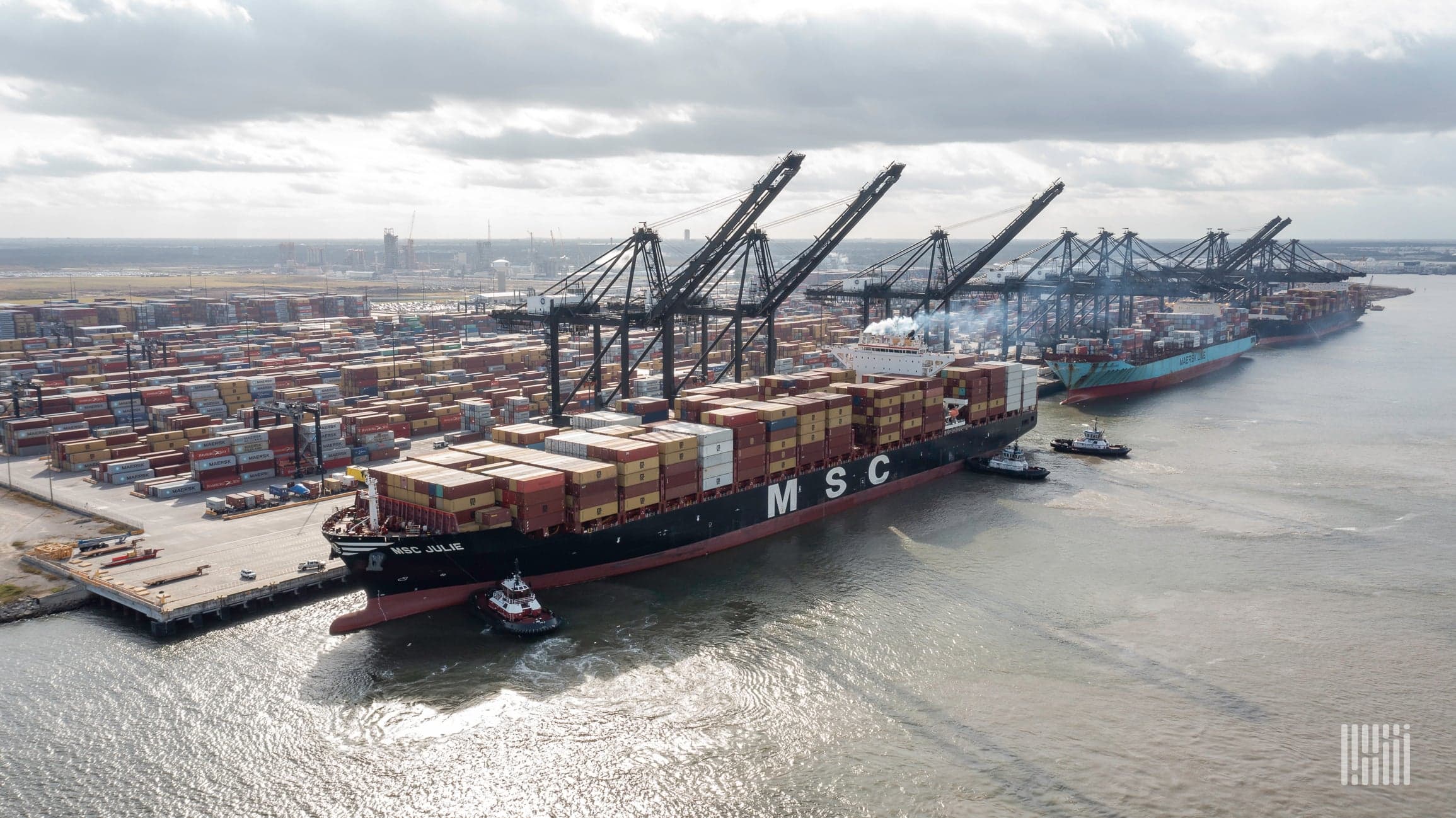

Port Houston handled 370,034 TEUs in January 2026, a new January record and a 4% increase year‑over‑year, with loaded imports and loaded exports each up about 5% as petrochemical products, resins and refrigerated shipments anchored outbound flows on the Houston Ship Channel.
Terminal-level drivers: Bayport, Barbours Cut and Packwell’s capacity
Growth was concentrated at both Bayport and Barbours Cut container facilities. Phase I of Packwell’s new 725,000‑square‑foot resin packaging complex near Bayport added rail-served unloading, high‑speed packaging equipment and warehousing directly adjacent to the marine terminal complex, strengthening end‑to‑end connectivity for export shippers.
Port operations leadership noted vessel arrivals were up roughly 2% in January and that the channel is seeing broader channelwide demand—record truck transaction days, rising reefer counts and heavier petrochemical export velocity.
Quantifying the lift
| Metric | January 2026 | YoY change |
|---|---|---|
| Container volume (TEUs) | 370,034 | +4% |
| Loaded imports | — | +5% |
| Loaded exports | — | +5% |
| Total tonnage (short tons) | 4.5 million | +6% |
| Record single‑day truck transactions | 16,438 | — |
Why resins and reefers matter for logistics
Port Houston currently handles about 60% of U.S. resin exports. As new packaging capacity comes online, exporters gain a tighter link between production, packaging and maritime shipping windows—less dwell time, fewer drayage moves and improved vessel loading efficiency.
At the same time, refrigerated container volumes have been trending higher—reefer traffic rose about 13% in 2025—driven by USDA‑APHIS cold‑treatment certification for in‑transit treatments and stronger demand from retail customers for temperature‑sensitive imports and exports. That changes modal planning: cold‑chain handling requires dedicated equipment, pre‑cooling slots, and synchronized truck pickup windows to avoid spoilage and demurrage costs.
Operational impacts: trucks, vessels and terminal throughput
CEO Charlie Jenkins highlighted that the January lift shows across‑the‑board demand, reflected in a record single‑day truck transaction total and a steady uptick in vessel movements. The practical result for logistics managers is higher terminal utilization and a need to fine‑tune appointment systems, chassis pools and short‑haul capacity.
- Truck transactions: Single‑day record of 16,438 — pressure on appointment scheduling and yard management.
- Vessel arrivals: Up ~2% — impacts berth planning and pilot/stevedore scheduling.
- Cold chain: Greater reefer counts require more plug points and coordinated drayage.
- Resin packaging: On‑site Packwell capacity reduces inland moves and lowers total landed cost.
Practical note for shippers and 3PLs
If you’re booking shipments that touch Houston, expect tighter slot availability during peak days and plan contingency chassis and driver resources. Smaller carriers should consider partnerships or short‑term hires to handle surges—nobody likes to be the tail that wags the dog when a vessel shows up early.
Port of Corpus Christi: crude down, other cargo up
Down the coast, the Port of Corpus Christi reported mixed energy flows: total freight reached 18 million tons in January, up 6.5% YoY, but crude oil shipments slipped about 9.5% to 10.46 million tons. Exports of crude fell roughly 10%, while petroleum product shipments jumped 28% and dry bulk volumes rose 40%.
| Cargo type | January 2026 | YoY change |
|---|---|---|
| Crude oil (tons) | 10.46 million | -9.5% |
| Petroleum shipments (tons) | 5.9 million | +28% |
| Dry bulk (tons) | 782,371 | +40% |
| Ship calls | 224 | +18% |
| Barge calls | 402 | +2% |
Implications for energy and bulk supply chains
Smaller crude flows reduce pressure on VLCC and Suezmax load windows out of Corpus, but higher petroleum exports and a huge spike in a single outbound grain shipment show volatility in bulk scheduling. For freight forwarders and bulk haulers this means tighter booking windows for export lifts and a need to re‑optimize equipment pools.
Modal and scheduling considerations
Ports with mixed traffic profiles like Houston and Corpus Christi are more sensitive to a single high‑volume outturn (e.g., a big grain lift or packaged resin surge). That can cascade into rail slot constraints, barge availability, and last‑mile truck shortages. Flexibility—both contractual and operational—pays dividends.
Checklist for logistics teams managing Gulf exports
- Audit appointment and chassis availability weekly.
- Verify cold‑treatment paperwork and reefer plug reservations in advance.
- Coordinate resin packaging lead times with Packwell and adjacent terminals.
- Monitor vessel schedules closely; allow buffer days for berth shifts.
- Plan contingency inland transport (rail or barge) for bulky or palletized outbound loads.
On a personal note, I’ve seen a sudden packaging ramp change routing patterns overnight—one week the depot queue is calm, the next it’s a traffic jam of trailers waiting for space. It’s the classic “expect the unexpected” in logistics: dance with the data, but bring an umbrella.
Overall, the January numbers are a reminder that port infrastructure investments—like Packwell’s new packaging footprint and USDA‑approved cold‑treatment for reefers—translate quickly into operational shifts: fewer inland moves, concentrated export windows, and sharper demands on drayage and terminal orchestration.
The January surge at Port Houston and mixed shifts at Corpus Christi highlight important trends: containerized petrochemical exports and refrigerated cargo are strengthening gateway throughput, while energy and bulk markets remain variable. Even the best reviews and the most honest feedback can’t replace hands‑on experience; seeing how bookings and pick‑ups actually flow is the real test. On GetTransport.com, you can order your cargo transportation at the best prices globally at reasonable prices. This empowers you to make the most informed decision without unnecessary expenses or disappointments. Readers benefit from the platform’s transparency, affordability, and wide selection of services—from household moves to heavy bulky shipments—making it easier to adapt to shifting port conditions. For your next cargo transportation, consider the convenience and reliability of GetTransport.com. Book now GetTransport.com.com
In short: Port Houston’s record January TEU count and the rise in resin and refrigerated exports tighten the link between production, packaging and maritime shipping; Corpus Christi’s cargo mix shift shows how energy flows can be fluid. For logistics teams this means closer coordination on containers, reefers, pallets and bulk lifts, and smarter planning for dispatch, haulage and forwarding. Platforms such as GetTransport.com simplify booking and booking visibility, offering reliable, cost‑effective options for cargo, freight, shipment, delivery, transport and relocation needs—whether it’s a pallet, container, bulky item, or international shipment—helping shippers and carriers manage distribution, courier last‑mile, and global forwarding more efficiently.