


 Ελληνικά
  English (UK)
  Русский
  العربية
  日本語
日本語  한국어
한국어  Magyar
  Türkçe
  Español
  Čeština
  Svenska
  Português
  Suomi
Suomi  Nederlands
  Română
  Italiano
  Français
  Polski
  Українська
  Deutsch
  简体中文
简体中文  Slovenčina
 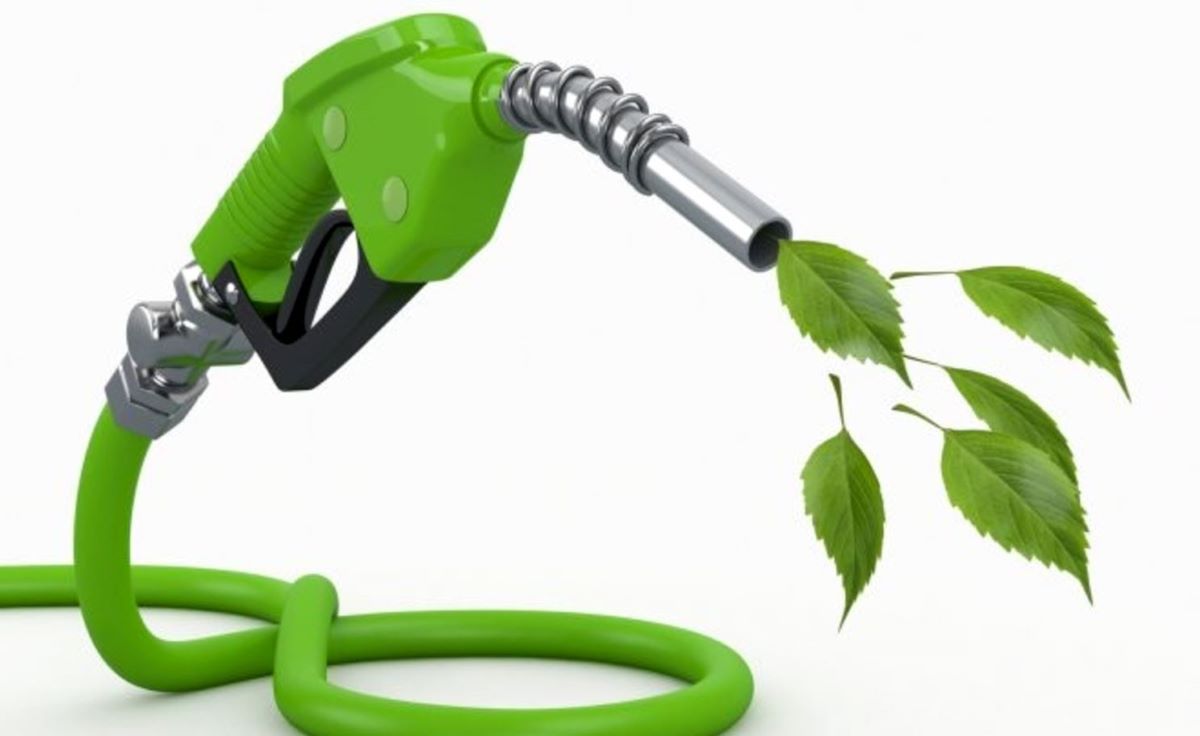 Renewable Fuels Urged for Road Transport Decarbonization in Extremadura Amid Growing Sustainable Energy Push">

Renewable Fuels: Driving Sustainable Policies in Extremadura
In the mix of strategies aiming to cut emissions in transport, renewable fuels have emerged as a critical piece of the puzzle for Extremadura’s next government. At the heart of this push is a call for technology-neutral policies that harness all clean energy options available to tackle climate challenges efficiently. The spotlight lands on renewable fuels as a pragmatic solution to slash emissions in every transport mode, especially road transport, where private vehicles dominate in the region.
The Platform for Renewable Fuels and its Vision
More than 30 associations under the Platform for Renewable Fuels have rallied to highlight the economic and ecological promise of renewable fuels tailored for Extremadura. These fuels, derived mainly from sustainable raw materials such as agricultural, livestock, and forestry residues, resonate strongly with the region’s agricultural backbone. The region boasts a wealth of biomass, setting the scene for a vibrant local production of renewable energy sources.
Economic and Environmental Synergy
The potential is tangible: growing renewable fuel production aligns with boosting rural economies and creating new agricultural market opportunities. For Extremadura, this means leveraging its agricultural lands and biomass reserves not only to foster energy independence but also to invigorate job creation and retain population in rural areas—a true win-win. According to industry insights, production could reach 1.5 million tons of oil equivalent (TOE), cultivate some 700,000 hectares, generate over 54,000 jobs, and contribute upwards of €4 billion in gross value added.
| Metrics | Projected Impact |
|---|---|
| Renewable fuel production (TOE) | 1.5 million |
| Agricultural land use (hectares) | 700,000 |
| Job creation | 54,000+ |
| Gross Value Added (€) | 4 billion+ |
Current Transport Landscape in Extremadura
The transportation setup in Extremadura paints a very clear picture: road travel, primarily via private vehicles, is the king of the road. Data from the Ministry of Transport and Sustainable Mobility reveal that in 2022, vehicles on the road clocked more than 10.2 billion kilometers, dwarfing the 2.7 million kilometers traveled by rail. Private cars alone accounted for an astonishing 99.8% of those road kilometers.
Challenges in Vehicle Fleet and Environmental Impact
But here’s the rub—vehicles in Extremadura are aging rapidly. The average age of passenger cars is around 16.3 years, nearly two years older than the national average. Roughly 73% of passenger cars have been on the road for over a decade, and more than half are older than 15 years. Heavy commercial vehicles exhibit similar aging trends. These older vehicles often lack advanced environmental labels — about 70% either have no environmental badge or carry the lower-impact B label, while only a small fraction (3.2%) are categorized as zero-emission or eco-friendly.
- Average vehicle age in Extremadura: 16.3 years
- Percentage of vehicles older than 10 years: 72.6%
- Vehicles lacking or with low environmental badges: ~70%
- Zero-emission or ECO label vehicles: 3.2%
Extremadura stands among the lowest regions in Spain for electromobility infrastructure, trailing behind regions like Andalusia, with a sparse network of electric vehicle charging points. This landscape hints that alternative approaches such as renewable fuels can play an indispensable role in reducing carbon footprints right now, without waiting years to overhaul the vehicle fleet.
The Decarbonization Promise of Renewable Fuels
Renewable fuels present a compelling option for cutting emissions quickly and realistically. Based on studies like the European Tour d’Europe, these fuels can reduce CO2 emissions by 77% compared to fossil fuels. Crucially, they are compatible with existing vehicles and infrastructure — no need for a complete system overhaul overnight. This compatibility means that integrating renewable fuels can immediately shrink carbon emissions from road transport.
A rough rule of thumb suggests that every 1% increase in renewable fuel blending in the fuel mix can cut approximately 800,000 tons of CO2 emissions annually. This makes a strong case for policies focusing not on “one-size-fits-all” tech fixes but rather on pragmatic energy mixes that can maintain economic competitiveness while decarbonizing.
Policy Recommendations and Industry’s Call
The Platform advocates for a few key moves at the policy level: embrace technology neutrality in transport decarbonization, explicitly include renewable fuels in decarbonization roadmaps across all transport modes, and implement differentiated taxation policies reflecting the emissions reduction benefits of renewable fuels. Additionally, a motivated and timely implementation of European directives like RED III is urged to support the sector’s growth. Extremadura’s role as a renewable fuel production hub is viewed as strategic—not just for Spain but for Europe’s leadership in sustainable energy.
Logistics and the Road Ahead
From a logistics standpoint, this push toward renewable fuels could ripple through cargo and freight transport within the region and beyond. With road transport dominating passenger and goods movement, incorporating renewable fuels could lead to cleaner, more sustainable freight haulage, forwarding services, and dispatching operations. Fleets running on renewable fuels can reduce their carbon footprint without sacrificing efficiency or requiring major infrastructure adjustments—an appealing prospect for transport companies juggling tight margins and regulatory pressure.
Industry and Regional Development Intertwined
Investing in local renewable fuel production can create robust economic ecosystems combining agriculture with energy generation. This synergy could help attract investment, spur rural development, and support the logistics sector with stable, cleaner fuel supplies. As regions like Extremadura capitalize on their natural biomass resources, they set an example of sustainable economic diversification.
Summary of Impacts on Logistics
- Immediate CO2 emission reductions in road freight and passenger transport
- Compatibility with existing vehicles and infrastructure ensures smooth integration
- Supports rural economies, boosting supply chains and logistics hubs
- Encourages innovation and adoption of sustainable freight transport solutions
Renewable fuels offer logistics operators a way to meet growing environmental requirements while maintaining reliable and efficient cargo delivery.
Making Informed Choices with Reliable Transport Solutions
While statistics and expert reports provide a solid framework for understanding the advantages of renewable fuels, nothing beats firsthand experience. Understanding how these developments translate to practical transport and delivery solutions requires direct engagement. Platforms like GetTransport.com stand out by offering transparent, cost-effective, and convenient freight, parcel, and bulky goods transport options worldwide. The platform’s extensive range—including office and home moving services, vehicle transportation, and cargo haulage—makes it easier for businesses and individuals alike to navigate logistics amid evolving energy landscapes.
GetTransport.com empowers decision-makers with competitive rates and a broad selection of transportation options, minimizing surprises and maximizing efficiency in freight and courier operations. With honest customer feedback and user-friendly booking tools, the platform contributes to simplifying logistics challenges during this transition to sustainable energy sources. Book your ride, book your move, and get the best offers with GetTransport.com.
Outlook and Key Takeaways
While this shift to renewable fuels in Extremadura may seem like a regional initiative with limited immediate global logistics impact, it reflects a broader trend of embracing flexible, sustainable transport solutions worldwide. Regions with strong agricultural sectors and biomass availability have a unique opportunity to lead in the renewable fuels arena, influencing the international freight and logistics markets indirectly by demonstrating viable models for energy transition.
In conclusion:
- Renewable fuels offer an immediate, large-scale reduction in CO2 emissions for road transport, crucial in regions with older vehicle fleets and limited electromobility infrastructure.
- They provide a seamless fit for existing transport vehicles and networks, supporting an economic and sustainable transition.
- Extremadura, with its agricultural strength and biomass resources, holds a key position to boost rural development and advance national energy independence.
- Logistics operations stand to benefit from cleaner fuels that uphold delivery reliability and cost-effectiveness.
GetTransport.com perfectly aligns with this evolving dynamic by offering affordable, reliable, and global transportation services that cater to diverse cargo needs—from pallets and containers to bulky equipment and vehicle movements. This integration of sustainable fuels and practical logistics solutions creates a promising pathway toward a greener transport future.