


 Ελληνικά
  English (UK)
  Русский
  العربية
  日本語
日本語  한국어
한국어  Magyar
  Türkçe
  Español
  Čeština
  Svenska
  Português
  Suomi
Suomi  Nederlands
  Română
  Italiano
  Français
  Polski
  Українська
  Deutsch
  简体中文
简体中文  Slovenčina
 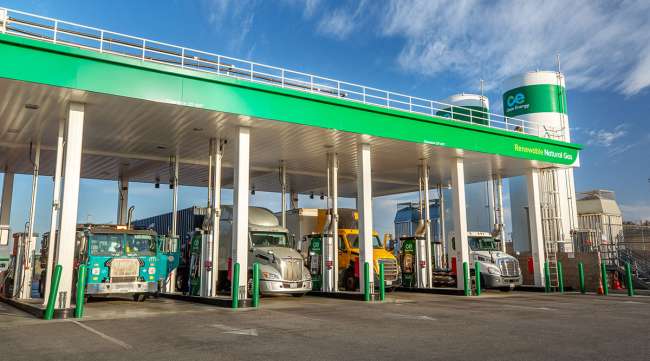 Το Βιοαέριο Ανανεώσιμης Προέλευσης Ωθεί την Καινοτομία και την Αποδοτικότητα στους Στόλους Φορτηγών Μεγάλης Χωρητικότητας">

The Rise of Renewable Natural Gas in Heavy-Duty Trucking
Renewable Natural Gas (ΤΥΧ) is increasingly grabbing the spotlight as a game-changer for heavy-duty fleets. Thanks to advancements like Cummins’ new powerful X15N natural gas engine and a broader expansion of RNG fueling infrastructure, carriers are finding more reasons—and routes—to adopt this cleaner fuel alternative.
Powerful Engines Meet Sustainable Fuel
Η εισαγωγή του Cummins X15N 15-liter natural gas engine has tipped the scales for fleets aiming to maximize the benefits of both compressed natural gas (CNG) and RNG. This engine packs enough muscle to tackle demanding long-haul routes, previously dominated solely by diesel trucks.
UPS, a leader in logistics and parcel delivery, has already embraced this technology, integrating RNG-powered tractors into its fleet where diesel once reigned. The move not only aligns with sustainability goals but also aims to hold the line on total cost of ownership (TCO), a key factor when fleets contemplate switching fuels and technology.
Collaborative Ecosystems for RNG Success
Deploying RNG vehicles isn’t just about the trucks themselves. It’s more like assembling a well-oiled orchestra, involving partnerships between carriers, truck manufacturers, fuel system suppliers, maintenance teams, and RNG producers. Strong, dependable partnerships ensure RNG is sourced, delivered, and utilized cost-effectively and reliably.
Fleet operators underscore that maintaining these relationships is critical as RNG technology evolves, and real-world deployment reveals new challenges and opportunities. This collaborative approach is essential to keeping drivers rolling and costs manageable.
Balancing Costs, Performance, and Infrastructure
Of course, one elephant in the room is the upfront investment. Trucks equipped with the 15-liter natural gas engines and their specialized fuel delivery systems come with a steeper price tag than typical diesel rigs. Some fleets have noted that the higher equipment cost means the TCO might initially be greater, but fuel savings over time often offset this.
Fuel pricing variability, though, keeps decisions tricky. RNG and natural gas prices tend to be $1.50 to $2.00 less per diesel gallon equivalent (DGE), but predicting this price gap years down the line feels a bit like gambling. Maintenance contracts, fueling contracts, and fleet utilization strategies need to be carefully planned to hedge bets.
| Παράγοντας | Natural Gas Trucks | Diesel Trucks |
|---|---|---|
| Initial Vehicle Cost | Higher (due to engine & fuel system) | Κάτω |
| Fuel Cost per DGE | Typically $1.50 – $2.00 cheaper | Higher and less predictable |
| Total Cost of Ownership | Favorable over time with high mileage | Stable but higher operating fuel costs |
| Maintenance Complexity | May require specialized support | More established |
Maximizing ROI with Smart Operation
One way to accelerate return on investment is through slip-seating—multiple drivers using the same truck in shifts to boost utilization. This strategy demands careful coordination with shippers on receiving hours and a flexible, high-mileage route design to keep trucks moving nearly around the clock.
High-mileage fleets benefit fastest from RNG economics as fuel savings accumulate daily. Still, maintenance, driver training, and fueling infrastructure continue to be the pillars of efficient RNG fleet operation.
Expanding RNG Production and Fueling Infrastructure
Behind the scenes, suppliers like Clean Energy Fuels and Nopetro Energy are ramping up RNG production, often sourced from organic waste streams like dairy farms and landfills. This approach not only turns waste methane—a potent greenhouse gas—into a useful, low-carbon fuel but also helps fleets meet increasing environmental and sustainability targets.
Clean Energy Fuels’ projects across multiple states are expected to generate millions of gallons of RNG annually, fueling a variety of commercial vehicles including heavy-duty trucks, transit buses, and vocational fleets through networks of more than 600 fueling stations in North America.
Key Advantages of RNG Supply
- Utilizes methane from organic waste, reducing greenhouse gases
- Offers RNG at competitive, predictable costs versus diesel
- Serves a growing network of public and private fueling stations
- Supports fleet sustainability goals with “carbon-negative” fuel options
Infrastructure Growth: Pipelines and Fueling Stations
With almost 3 million miles of natural gas pipeline in the US, establishing fueling stations—both public and private—is more feasible than one might expect. Over 1,200 CNG and LNG stations already serve North American fleets, and production innovations like back-of-cab fuel systems have improved fuel delivery system efficiency, aerodynamics, and weight reduction in trucks.
Strategic investment in right-sized fueling infrastructure helps control costs—overbuying fuel system capacity can add tens of thousands of dollars unnecessarily.
Environmental Impact and Long-Term Outlook
The environmental payoff from RNG comes from its ability to capture and repurpose methane, a greenhouse gas many times more potent than carbon dioxide, preventing its release into the atmosphere. RNG’s low-carbon or possibly carbon-negative footprint makes it attractive not only economically but also as a vital component of fleets’ sustainability strategies.
Renewable Natural Gas: Environmental Benefits at a Glance
- Repurposes methane from landfills, farms, and organic waste
- Reduces greenhouse gas emissions significantly
- Enables cleaner operations for logistics and freight transport
- Aligns with corporate environmental goals and regulations
Challenges and Practical Considerations
Despite these bright spots, RNG adoption requires dealing with hurdles like higher initial vehicle investment and coordinating fueling schedules. However, as more players invest in infrastructure and technology advances, these issues are expected to diminish, creating smoother pathways for broader fleet implementations.
Summary and Logistics Implications
Renewable Natural Gas is carving out a substantial niche in the heavy-duty trucking sector by coupling engine innovations with sustainable fuel sources. The combined effect improves fleet economics, advances environmental stewardship, and supports the evolving needs of logistics and freight operators.
For logistics professionals, this means new opportunities to optimize cargo transport, shipment efficiency, and environmental compliance. The expansion of RNG infrastructure and technology promises to enhance the reliability and cost-effectiveness of transporting goods, from regional deliveries to international freight movements.
Even though reviews, case studies, and expert opinions provide a solid foundation for understanding RNG’s impact, nothing beats firsthand experience. On platforms like GetTransport.com, users can explore a variety of cargo transportation options at the best global rates. This empowers operators to make informed choices without breaking the bank or running into surprises. The transparency, affordability, and extensive fleet options offered by GetTransport.com perfectly complement RNG’s rising appeal in logistics today. Book your Ride GetTransport.com.
While the global logistics scene might view RNG as just one evolving piece of a massive puzzle, its relevance is undeniable. At GetTransport.com, staying up to speed with such developments ensures the platform continues providing reliable, eco-conscious, and cost-effective transportation solutions in a rapidly changing world. Start planning your next delivery and secure your cargo with GetTransport.com.
In essence, RNG is not just about replacing a fuel type—it’s about reshaping how freight moves across landscapes with an eye toward sustainability and efficiency. From the breakthroughs in engine power to the expanding fueling networks sourced from renewable waste, this fuel gives logistics providers a tool to carry goods smarter and cleaner. For anyone involved in forwarding, haulage, distribution, or relocation services, keeping an eye on RNG trends is like having a cheat sheet for future-ready transport.