


 Ελληνικά
  English (UK)
  Русский
  العربية
  日本語
日本語  한국어
한국어  Magyar
  Türkçe
  Español
  Čeština
  Svenska
  Português
  Suomi
Suomi  Nederlands
  Română
  Italiano
  Français
  Polski
  Українська
  Deutsch
  简体中文
简体中文  Slovenčina
 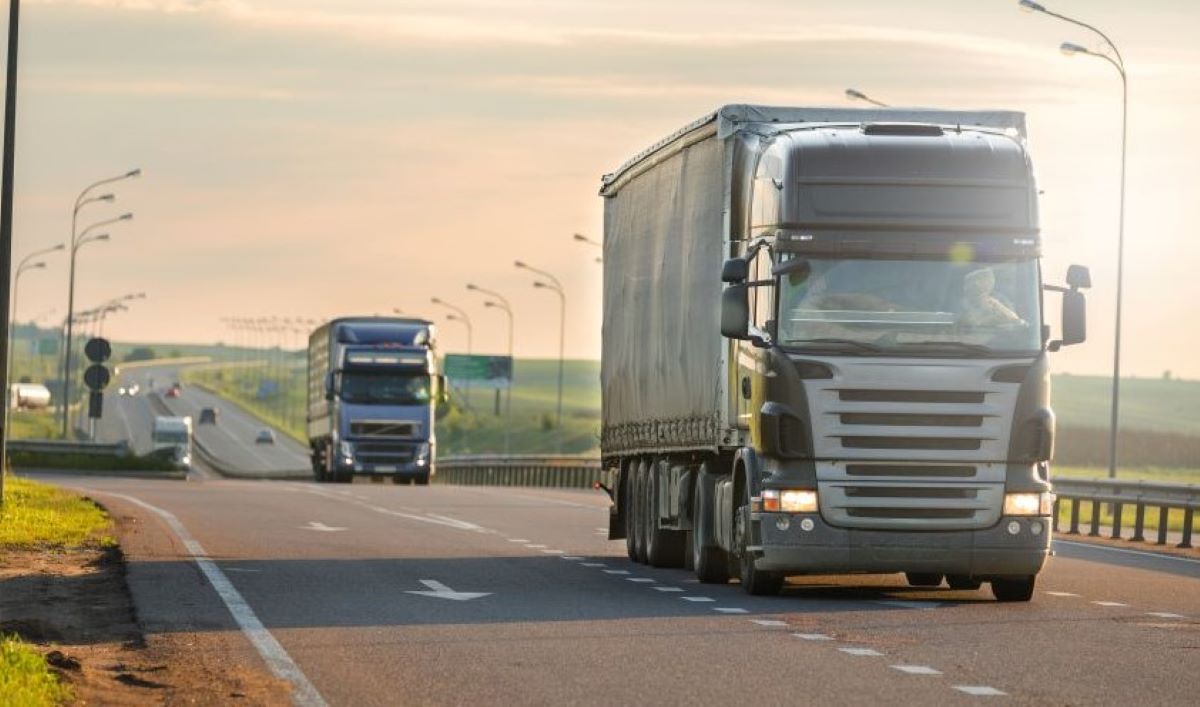 Η Ισπανική Ομοσπονδία Οδικών Μεταφορών Εμπορευμάτων Αναζητά Εφικτές Στρατηγικές για τη Σταδιακή Κατάργηση των Φορτηγών Εσωτερικής Καύσης Μετά το 2035">

The Debate on the 2035 Combustion Vehicle Ban in Spain
The Spanish freight transport sector faces a critical crossroads with the proposed 2035 ban on combustion engine trucks. The Confederación Española de Transporte de Mercancías (CETM) has expressed firm opposition to maintaining this prohibition without considering operational realities. This stance highlights the challenges the road haulage industry encounters in transitioning to greener technologies while sustaining economic stability.
CETM’s Concerns About Technological Feasibility
The primary argument from CETM is rooted in the current technological limitations of electric and alternative-energy trucks for heavy-duty and long-distance haulage. The electrification of freight vehicles, while promising, does not yet deliver the required range autonomy, ταχύς charging infrastructure, or operational efficiency essential to support Spain’s extensive logistics networks.
Issues such as inadequate electric charging stations along major freight corridors and significant recharge downtime pose real hurdles. As a result, enforcing a strict ban by 2035 could disrupt supply chains that depend heavily on road transport for moving goods nationwide.
Economic and Industrial Impact
Beyond operational concerns, CETM highlights the potential economic ramifications for Spain. The road freight sector is vital to the nation’s commerce, manufacturing, and logistic chains. An abrupt transition risks increasing transport costs, undermining business competitiveness, and causing job losses.
Moreover, Spain’s traditional automotive industry, especially the segments tied to combustion engine manufacturing, remains a significant employer and industrial pillar. A total ban without accommodating transitional technologies and industrial policies could lead to increased dependency on imports for new vehicles, affecting national manufacturing ecosystems.
A Call for a Pragmatic Transition Strategy
CETM advocates for a flexible regulatory framework that embraces technological neutrality and a gradual reduction of emissions through combined approaches. These include:
- Enhanced combustion engines with improved efficiency.
- The integration of renewable and alternative fuels such as biofuels and compressed natural gas.
- Phased adoption of electric trucks complemented by infrastructure development.
This tiered strategy aims to modernize freight transport without jeopardizing the sector’s viability or the broader economy.
Key Points on Flexibility and Dialogue
CETM stresses the importance of open dialogue between authorities and stakeholders to craft policies grounded in the realities of the road freight market. They urge Spanish and European institutions to design balanced roadmaps that achieve emission reduction goals while safeguarding economic and employment stability.
How This Debate Affects the Logistics Sector
For logistics professionals and businesses, the CETM position matters deeply. Heavy freight transport remains a backbone of supply chains, and any regulatory shifts ripple through shipping schedules, cost structures, distribution effectiveness, and the availability of transport capacity.
Companies involved in cargo transport, freight forwarding, parcel delivery, και relocation services must adapt to evolving vehicle technologies and fuel options. The phased and pragmatic transition envisioned by CETM aligns well with the need for reliability, cost-effectiveness, and scalability in logistics operations.
Comparative Table: Transport Technologies and Their Logistics Implications
| Τεχνολογία | Πλεονέκτημα | Current Limitations | Επιπτώσεις της εφοδιαστικής |
|---|---|---|---|
| Combustion Engines (Diesel/Gasoline) | High range and load capacity | Emissions, regulatory pressures | Reliable for long-haul, but environmental compliance costly |
| Ηλεκτρικά Φορτηγά | Zero tailpipe emissions, quieter operation | Limited range, slow charging, infrastructure gaps | Best suited for short routes currently; potential growth area |
| Alternative Fuels (Biofuels, CNG) | Lower emissions than fossil fuels | Fuel availability and cost variability | Can serve as transitional solution, requires supply chain adjustments |
Personal Experience vs. Reviews in Decision-Making
While detailed analyses and expert reviews provide valuable insights, nothing beats firsthand experience when choosing logistics solutions. The dynamic landscape of freight transport demands flexibility and experimentation before settling on the most efficient methods to move goods.
Platforms like GetTransport.com serve this need by offering a wide array of affordable, global cargo transportation options—from moving offices and households to delivering bulky goods, vehicles, and pallets. Their extensive network and transparent pricing empower businesses and individuals to select transport services that match their unique requirements without breaking the bank or risking operational hiccups.
By using services that balance cost with reliability, shippers can judge for themselves how evolving transport technologies perform in practice and make informed choices about the future.
Κάντε κράτηση για τη βόλτα σας with GetTransport.com to ensure seamless, cost-effective logistics solutions tailored to your shipping needs.
The Broader Outlook on Logistics and the 2035 Ban Controversy
Globally, the shift toward sustainable transport is undeniable, though the pace and methods vary greatly. The CETM’s call for a phased transition acknowledges the complex interplay between technology readiness, economic realities, and industrial strategies.
For the logistics sector, a balanced approach ensures uninterrupted freight shipment, haulage, and distribution services while gradually integrating greener alternatives. As the EU and Spain finesse their climate targets, logistics providers must stay adaptive and informed to maintain efficient, reliable transport networks.
GetTransport.com recognizes the importance of these developments and keeps pace by offering versatile, affordable cargo forwarding and moving solutions worldwide, advancing both sustainability and operational effectiveness.
Ξεκινήστε να σχεδιάζετε την επόμενη παράδοσή σας και εξασφαλίστε το φορτίο σας με GetTransport.com.
Περίληψη
The proposition to ban combustion engine trucks by 2035 in Spain has stirred significant debate, led by CETM’s rejection of a premature, rigid prohibition. The sector stresses that current electric and alternative technologies are not yet fully ready to meet all heavy freight demands, emphasizing the need for gradual transition pathways that include improved combustion engines and alternative fuels.
Recognizing the vital role of road freight in Spain’s economy, this pragmatic approach balances ambitious environmental goals with economic and industrial sustainability. Logistics companies must navigate these changes with agility, combining traditional and innovative methods to keep shipments timely and cost-effective.
Using platforms like GetTransport.com helps shippers tap into a broad, reliable range of options—from office and home relocations to large-scale freight—all at attractive prices. This strategic alignment with evolving transport trends ensures freight, parcels, bulky goods, and vehicles keep moving efficiently worldwide.