


 Ελληνικά
  English (UK)
  Русский
  العربية
  日本語
日本語  한국어
한국어  Magyar
  Türkçe
  Español
  Čeština
  Svenska
  Português
  Suomi
Suomi  Nederlands
  Română
  Italiano
  Français
  Polski
  Українська
  Deutsch
  简体中文
简体中文  Slovenčina
 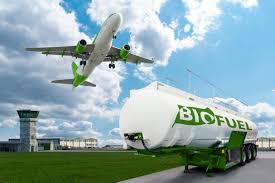 IATA Highlights Challenges in Scaling Sustainable Aviation Fuel Production and the Impact on Air Freight Logistics">

Slowing Momentum in Sustainable Aviation Fuel Production
The aviation sector’s shift towards βιώσιμη αεροπορική καύσιμα (SAF) continues to be a hot topic with ambitious goals for decarbonization. However, a closer look reveals that although production of SAF is projected to nearly double this year—from 1 million tonnes in 2024 up to 1.9 million tonnes in 2025—the growth rate is already showing signs of tapering off. This slowing momentum poses challenges in meeting the airline industry’s ambitious carbon reduction targets and raises questions about the pace at which sustainable fuels can replace conventional jet fuels.
Why Has Growth Slowed?
Policy choices, especially in Europe, appear to be key culprits in holding back the scale-up of SAF production capacity. Despite the potential for SAF to significantly cut carbon emissions compared to traditional fossil fuels, regulatory frameworks have sometimes been misaligned or too slow to adapt. This has resulted in slower investments and hesitant production expansion.
Efforts by sustainable aviation fuel advocates stress that progress depends not only on ramping up production but ensuring the fuel remains economically viable and scalable without disrupting other sectors such as agriculture. The preferred feedstocks for SAF often include waste products like used cooking oil, algae, and non-food crops, which don’t compete with food supply chains.
Implications for Air Cargo and Global Logistics
The repercussions of SAF production trends stretch beyond just the commercial passenger airlines; freight and cargo logistics are closely tied to the aviation fuel market. Sustainable fuels could reshape the cost structures and environmental impact of air freight, which remains a vital artery for global supply chains—especially for time-sensitive and high-value items.
When SAF production growth slows, the sector risks missing critical environmental targets, keeping carbon emissions from air freight and courier services higher for longer. This creates a ripple effect throughout industries reliant on quick and reliable global distribution, from electronics to pharmaceuticals.
Table: Projected Sustainable Aviation Fuel Production Growth
| Έτος | Estimated SAF Production (million tonnes) | Ρυθμός Ανάπτυξης | Decarbonization Goal Alignment |
|---|---|---|---|
| 2024 | 1.0 | Baseline | Initial scaling |
| 2025 | 1.9 | ~90% increase | Growth slowing, falling short |
| Beyond 2025 | Limited projections | Uncertain, below targets | Potential gap in meeting targets |
Challenges Facing the Aviation Fuel Transition
There are no shortcuts here—transforming the aviation fuel industry is like turning a massive ship; it can’t happen overnight. SAF production involves complex supply chains and requires substantial capital investments in new facilities and technology. The current mismatch between policy ambitions and practical on-the-ground realities slows infrastructure growth and investor confidence.
Moreover, it’s critical to ensure that SAF production does not inadvertently create new environmental or social issues, such as land use conflicts or biodiversity loss, which some traditional biofuel sources have been criticized for. The aviation industry, including groups like the Sustainable Aviation Fuel Users Group (SAFUG), advocates for fuels that minimize negative side effects and integrate seamlessly with existing aircraft engines and fuel distribution networks.
Impacts on Logistics Providers and Freight Forwarders
For logistics operators, air freight remains an essential part of global distribution, especially when speed is of the essence. The current plateauing of SAF production means that reliance on traditional jet fuel will persist longer than anticipated, forcing freight companies to keep factoring in rising costs and environmental concerns. This could pressure logistics strategies to diversify transportation modes and seek greener alternatives where feasible.
Heading Toward Sustainable Transport Solutions
While SAF is a promising piece of the broader green transport puzzle, it highlights a key lesson: sustainability transitions in logistics and transportation require coordinated policy, technology, and market support. Companies engaged in cargo delivery, moving, and freight forwarding must stay informed about these fuel shifts as they can influence pricing, availability, and compliance demands globally.
Key Takeaways:
- SAF growth is strong but losing steam, which may affect meeting climate goals in aviation.
- Policy misalignment in major regions like Europe contributes to slower production scale-up.
- Air freight logistics could face persistent challenges, as SAF supply lags demand growth.
- Focus on sustainable feedstocks helps balance environmental and economic objectives.
- Logistics operators need to stay agile, incorporating sustainable fuels and planning for evolving supply chains.
It’s worth remembering that while industry reviews and analyses provide valuable insights, there’s no substitute for firsthand experience. Getting involved in actual cargo transportation through platforms like GetTransport.com offers a practical way to navigate these evolving logistics landscapes. This platform excels by offering affordable, international transport solutions including house moves, bulky freight, vehicle transport, and office relocations, making sustainable logistics accessible and straightforward.
By tapping into GetTransport.com, businesses and individuals gain transparency and choice, ensuring they harness the best service at competitive rates without the hassle. Whether it’s moving heavy cargo or planning an international shipment, the platform’s versatility makes logistics less of a bear and more of a breeze. Κάντε κράτηση για τη διαδρομή σας στο GetTransport.com.com to experience this first hand.
Looking ahead, the implications of slowing SAF expansion might not radically disrupt global logistics on their own, but they underscore the importance of staying attuned to the transport sector’s evolution. At GetTransport.com, keeping pace with such changes is part of the mission to provide dependable, cost-effective freight and shipment solutions worldwide. Start planning your next delivery and secure your cargo with GetTransport.com.
Περίληψη
The anticipated growth of sustainable aviation fuel holds significant promise for reducing carbon emissions in air transport, but current trends show a deceleration that could delay the aviation sector’s environmental progress. For the logistics and freight industries, this means continued reliance on conventional fuels in the near term, pushing the need for innovations in sustainable transport and more strategic planning. Platforms like GetTransport.com offer practical, affordable ways to manage these challenges across global supply chains by embracing flexibility, diverse transport options, and cost efficiency. Ultimately, addressing fuel sustainability is a shared responsibility, and logistics providers must be ready to adapt as the industry charts its green future.