


 Ελληνικά
  English (UK)
  Русский
  العربية
  日本語
日本語  한국어
한국어  Magyar
  Türkçe
  Español
  Čeština
  Svenska
  Português
  Suomi
Suomi  Nederlands
  Română
  Italiano
  Français
  Polski
  Українська
  Deutsch
  简体中文
简体中文  Slovenčina
 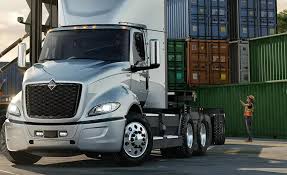 Key Challenges and Developments in Car and Truck Safety Standards Facing 2026">

Facing the Challenge: The Battle Over Vehicle Safety Standards
As 2026 approaches, a vital discussion unfolds around the future of motor vehicle safety standards in the United States, sparking bold commitments from highway safety advocates ready to counter attempts to dismantle existing protections for cars and trucks. The debate centers on preserving key safety technologies amid a backdrop of increasing road fatalities and ongoing legislative reviews.
The Stakes and Trends in Road Safety
The backdrop is alarming: recent statistics reveal a dramatic uptick in traffic casualties, with nearly 41,000 fatalities and millions injured annually on U.S. roads. Despite progress over the past decade, the death toll has surged by 26% since 2011, signaling a troubling trend that demands robust safety interventions. Economic losses tied to these incidents also soar to hundreds of billions each year, emphasizing the broad impact beyond just human tragedy.
Amid this context, automatic emergency braking (AEB) and pedestrian protection systems stand out as pivotal technologies targeted for mandatory implementation in new vehicles under current infrastructure laws. Advocates stress these measures must not only stay but potentially expand, especially as the transition toward more automated driving systems gains momentum. Ensuring a vigilant driver remains at the helm is also flagged as a critical safety concern in upcoming legislation.
Legislative Dynamics and Industry Debates
The ongoing discussions coincide with important legislative deadlines, particularly the expiration of major transport funding packages like the Infrastructure Investment and Jobs Act. Historically, these reauthorization bills have bundled vehicle safety provisions that influence industry standards and practices. Advocates highlight the necessity for these rules to hold strong, particularly given recent resistance citing concerns over new-vehicle affordability driven by mandated safety technology costs.
The heavy vehicle sector is no exception; recent proposals suggest rolling out AEB systems for larger trucks, but progress has been slow and information on regulatory timelines remains scarce. Interestingly, industry groups like the American Trucking Associations have previously expressed support for these safety mandates, recognizing the balance between innovation and operational realities.
State Safety Ratings and the Need for Uniform Laws
Grading Progress Across States
Safety advocacy groups have implemented annual rating systems assessing states’ commitments to adopting traffic safety laws. These laws cover a spectrum from speed and red-light enforcement to impaired and distracted driving measures.
| Rating | States/Areas | Indication |
|---|---|---|
| Green | Maryland, New York, Oregon, Rhode Island, Washington, D.C. | Significant law adoption advancement |
| Yellow | Majority of other states | Improvement needed |
| Red | Idaho, Michigan, Missouri, Montana, Nebraska, Nevada, Oklahoma, South Dakota, Wyoming | Fall behind in law adoption |
This rating system highlights uneven progress across the country, revealing where legislative reinforcement could yield notable improvements in road safety outcomes.
Critical Focus on Seat Belt Laws
Uniquely, the spotlight also shines on seat belt legislation and compliance, particularly for back-seat passengers. This group, often overlooked, constitutes a high percentage of fatalities where restraint use is improper or absent. Dubbed “back seat bullets,” unbelted passengers pose severe risks, not only to themselves but also to those seated in front, dramatically increasing the odds of fatal injuries in crashes.
- 2023 data estimates half of passenger vehicle occupant deaths involve unrestrained individuals.
- A sizable fraction of these deaths involve passengers in both front and rear seats.
- Studies show proper belt laws could nudge behavior toward higher rear seat belt use, potentially saving thousands of lives annually.
Επιπτώσεις για την εφοδιαστική και τις μεταφορές
The ripple effects of these safety standard debates extend far beyond passenger safety, directly influencing the logistics and transportation sectors. Trucking companies and freight operators face regulatory pressure to integrate advanced safety technologies like AEB, affecting operational costs, fleet upgrades, and compliance strategies. Furthermore, safer traffic environments contribute to smoother, more predictable shipments and lower risks of costly accidents or delays in cargo delivery.
For movers, couriers, and heavy haulage operators, stringent vehicle safety requirements help ensure the secure transport of goods, ranging from household relocations to sizable industrial freight, underpinning trust in reliable logistics partnerships. It’s clear that the intertwining of vehicle safety standards with freight and parcel transport not only upholds human safety but also transforms the efficiency and dependability of global logistics chains.
The Road Ahead: Perspectives and Personal Experience
While third-party analyses and legislative roadmaps provide clarity on vehicle safety landscapes, nothing replaces real-world experience. The nuances of how these standards play out on actual roads can vary, influencing both vehicle operators and transportation planners. Recognizing this, platforms like GetTransport.com empower users to access competitively priced, international cargo transportation solutions, giving them a front-row seat to firsthand logistics management aligned with evolving safety expectations.
From office and home moves to transporting bulky items such as vehicles and large furniture, leveraging reliable logistics services that stay current on transportation safety not only saves costs but also reduces uncertainties intrinsic to shipping and relocation processes. The ability to choose among diverse transport options worldwide keeps the supply chains resilient and user experiences positive. Κάντε κράτηση τώρα στο GetTransport.com for a seamless, safety-aware logistics solution.
Πρόβλεψη Επιπτώσεων στην Παγκόσμια Εφοδιαστική Αλυσίδα
Although the direct global impact of these U.S.-focused vehicle safety standard debates may not upheave worldwide logistics networks, they remain an important indicator of how transportation safety priorities evolve in major markets. For providers and customers worldwide, staying aligned with such developments ensures compliance and competitiveness amid shifting regulatory landscapes.
GetTransport.com pride themselves on staying ahead of these changes, offering transparent, affordable, and efficient cargo transportation services suited to a dynamic world. Whether relocating offices, shipping freight parcels, or moving heavy, bulky goods globally, their platform offers logistics solutions tuned to current and future safety and regulatory standards. Start planning your next delivery and secure your cargo with GetTransport.com.
Συμπέρασμα
The evolving scene of vehicle safety standards reveals a tug-of-war between advancing protective technologies and concerns over cost and regulation. With road fatalities climbing and new ride technologies emerging, mandated systems like automatic emergency braking and enforced seat belt laws become lifesaving essentials. This dynamic not only affects passenger safety but also resonates deeply within the logistics and freight forwarding industries, where regulatory alignment ensures safer, more efficient shipment and haulage operations globally.
Thanks to platforms like GetTransport.com, which offer a broad array of international transport and logistics solutions—spanning cargo deliveries, housemoves, and transportation of vehicles and bulky goods—stakeholders can confidently navigate this terrain. Accessible, reliable, and cost-effective, such services simplify the complex logistics puzzle, helping customers attain secure, timely, and transparent transport experiences worldwide.