


 Ελληνικά
  English (UK)
  Русский
  العربية
  日本語
日本語  한국어
한국어  Magyar
  Türkçe
  Español
  Čeština
  Svenska
  Português
  Suomi
Suomi  Nederlands
  Română
  Italiano
  Français
  Polski
  Українська
  Deutsch
  简体中文
简体中文  Slovenčina
  Chapter 4 – Russia’s Food Security and Its Impact on Global Agrifood Trade">

Implement a diversified sourcing plan now: form a circle of interconnected organisations to coordinate grain and fertilizer flows and establish buffer stocks that cover an average of four months of core staples to withstand export controls and logistical disruptions. This targeted approach keeps essential nutrition accessible while reducing sensitivity to regional shocks across long distances.
Russia’s role in global agrifood trade remains significant: in recent years, it accounted for roughly one-fifth of global wheat exports and is a major supplier of barley and corn to markets in the Middle East and North Africa. These volumes travel across long distances, creating sensitivity to weather, port congestion, and sanctions. This article highlights how supply structures and logistics determine price transmission more than farm yield alone.
The homogeneity of global demand for grains means even small shifts in Russian grain policy ripple through nutritional supply. Habits of buyers and the security of imports hinge on reliable quality, traceability, and agriculture sector governance. For producers, aligning farm structures with export cycles reduces risk; for consumers, adjusting daily habits can ease pressure on feed crops and thereby protect nutritional outcomes.
Analysts like finkel and prikhodko stress that the strategy must account for regional diversity and infrastructure gaps. Local reporting shows that agriculture relies on regional structures and port facilities; improving cold chain and road networks reduces the average time from field to shelf, limiting disruptions within the supply chain.
For policymakers and business leaders, practical steps include: map critical corridors and create buffer capacities at key nodes; coordinate with organisations across jurisdictional borders to harmonize grain quality standards and inspection routines; publish transparent data dashboards παρακολούθηση μέσος grain flows, price movements, and distance-based transit times to sharpen attention to bottlenecks and ensure meaningful improvements.
Key drivers shaping Russia’s current food security landscape
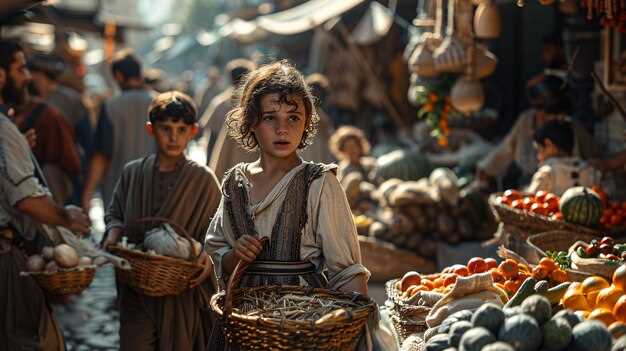
Recommendation: invest in diversified, climate-resilient farming and robust storage to shield Russia from price swings; expand farmland and upgrade irrigation to raise yield stability. An rbcru analysis indicates that large-scale modernization, supported by presidential guidance and coordination with governments, can raise exported volumes and cut post-harvest losses. Pair these reforms with an import-diversification plan to preserve connections with markets, including germany and other partners.
Climate variability continues to press yields; droughts in arid zones and late frosts in the south disrupt planting calendars. Geographically concentrated farmland in the European part and the Volga region creates regional risk. Transport bottlenecks–rail and sea ports–complicate timely exports, especially for large-scale shipments. Without reforms, the decline in reliability could widen.
Presidential decisions and federal policy steer the sector. Governments indicated commitments to expand irrigation, upgrade storage, and streamline export routes. Predictions from market researchers suggest fertilizer and energy costs will remain volatile, yet a stable policy trajectory can reduce uncertainty and support planting decisions. This provides a reason to maintain diversified markets and transparent pricing. Formation of a dedicated organisation to coordinate risk monitoring and rapid response strengthens governance.
Socioeconomic dynamics, including refugees and rural labour mobility, shape input costs and harvest timing. Refugees respond to wage incentives and crop cycles; analyzing demographic shifts helps forecast labour supply and demand. Connections to regional markets and logistics hubs improve resilience. The formation of local safety nets and training programs can prevent gaps in supply and keep farms productive.
Global links set exposure to shocks. Russia’s exported grain flows maintain connections with buyers in europe and other regions; nigeria could emerge as a market for feed and staples if pricing and logistics align. Germany remains a key partner in trade routes, while rbcru analyses underscore the need to keep diversified connections to respond quickly to shocks and sustain influence in global markets.
Policy instruments and export controls influencing global markets
Adopt a transparent, time-bound licensing regime for staple exports, paired with a published stock-and-price dashboard and a flexible tariff schedule to stabilize global flows. This combined package reduces speculative swings and makes policy more predictable for buyers and sellers alike. Regulators should set explicit triggers based on quantity thresholds and variations in weekly shipments, with licenses issued on a rolling basis instead of all at once.
Link licensing to a short tariff ladder: minimal duties when stocks are ample, with incremental increases if stock-to-use ratios tighten. Published guidance helps traders understand the association between stock data, license issuance, and tariff steps. The approach minimizes costs for consumers while preserving domestic supply, and it keeps Russians and other market participants accountable for meeting commitments. The Gordeevs group adapted quickly to these shifts, shifting to alternative routes and new suppliers when needed.
Data-driven design and monitoring
Track metrics such as quantity exported, stock levels, and price spreads; publish weekly dashboards to support transparency. Use regression analysis to quantify policy impact on traded volumes and price levels. Establish triggers: if stock-to-use falls below 20%, or weekly exports drop by more than 15%, adjust tariffs within a 0-15% band or issue licenses to offset. This reduces volatility, encourages timely imports, and maintains price signal integrity. The path from policy to market outcomes becomes clearer when data is published and models are applied.
Actor dynamics and policy costs
Russians and foreign traders respond to the policy mix. The Gordeevs and an association of traders and regulators adapted by diversifying sourcing, negotiating longer-term contracts, and increasing storage use, generating more resilient supply chains. Combined instruments raise the costs of abrupt restrictions, but compensating measures such as targeted subsidies or streamlined refunds can soften impacts on vulnerable buyers. The quest for stability benefits from coordinated actions across domestic regulators and major traders, reducing timing mismatches and keeping traded volumes robust despite variations in harvests.
Logistics, infrastructure, and the role of grain corridors in trade
Invest in a multi-modal grain corridor program that directly links Black Sea ports with inland storage and mills through railway and river routes, supported by real‑time tracking and unified customs procedures.
Target throughput and storage expansion while tightening operational standards. A robust plan should aim for 25–30 million tons of seasonal grain movement through a network of upgraded terminals and rail routes within five years, with 8–12 million tons of silo capacity added in key hubs. The initiative requires dredging where needed, faster gantry cranes, automated weighing, and climate-controlled warehousing. In practice, maintenance cycles must align with harvest peaks, and strong governance at every terminal will reduce bottlenecks. Vegetation management along rail and port edges lowers fire risk and keeps clearing costs predictable, while morphological planning improves drainage and resilience to flood events. Yellow safety markings and routine training keep worker safety visible and consistent.
As the covid-19 disruptions showed, redundancy matters. A diversified path network–combining Black Sea ports, rail corridors, and river links–reduces exposure to single-point failures. Nelson, an analyst with the association, highlights that multi-route flexibility directly lowers supply shocks for wheat-importing markets and strengthens long‑term value for exporters. Specifically, coordinated scheduling and predictable tariffs stabilize pricing and minimize demurrage. The Mahutga node could serve as a regional consolidation point, improving utilization of existing machinery and reducing idle time between loading and dispatch.
For policymakers, cross-border cooperation with Turkey and other corridor partners is essential. Although political tensions can create short-term bans, the long-term ramifications of fragmented logistics are higher costs and slower response times for consumers. The corridor approach improves imports reliability, supports agricultural communities, and sustains a credible political value by keeping food supplies flowing during crises. Regarding traceability, shared data platforms enable customs to reflect real-time status without delays, helping traders meet acceptance criteria and reduce non-tariff barriers.
Strategic pillars
- Infrastructure modernization: upgrade ports, dredge channels, install high-capacity cranes, expand rail yards, and build climate-controlled storage near key production areas.
- Multi‑modal integration: synchronize rail, road, and inland waterways to cut transport times and cost per ton, with goal targets for dwell time and on‑dock throughput.
- Transparency and data sharing: implement uniform reporting, real-time tracking, and standardized documentation to minimize discretionary delays.
- Policy alignment with corridor partners: formalize agreements with Turkey and neighboring transit routes, defining tariffs, risk-sharing, and rapid dispute resolution.
- Risk management and redundancy: reserve capacity for peak harvests and a contingency fund to cover unforeseen disruptions, including disease outbreaks or weather shocks.
Implementation steps
- Map priority corridors (including the Mahutga node) and inventory current capacity, bottlenecks, and buffer stocks.
- Establish a cross-border association with clear governance, appointing lead agencies in each country and a joint operations center.
- Upgrade critical infrastructure: dredging, port quay reinforcement, automated handling machinery, and electrification where feasible to reduce emissions and fuel costs.
- Deploy a unified digital platform for shipment planning, tracking, and customs clearance, with data exchange standards and security measures.
- Set performance targets: reduce average transit times by 20–25%, cut dwell times at ports by 2–3 days, and expand silo capacity by 8–12 million tons within five years.
- Καθιερώστε πρωτόκολλα ασφάλειας και συντήρησης, τα οποία θα ενισχύονται από τακτικές ασκήσεις και σαφείς κανόνες πρόσβασης στην κίτρινη ζώνη για τους χειριστές εξοπλισμού και τα οχήματα.
- Παρακολουθήστε τα αποτελέσματα και προσαρμόστε τις πολιτικές μετά από κάθε κύκλο συγκομιδής, ενσωματώνοντας τα σχόλια από τους αγρότες, τους εμπόρους και τις λιμενικές αρχές.
Πηγές δεδομένων, δείκτες και μετρήσεις σχετικές με τη λήψη αποφάσεων για τους traders
Σύσταση: Δημιουργήστε έναν χάρτη δεδομένων με επίκεντρο τους εμπόρους που τριγωνοποιεί επίσημα στατιστικά στοιχεία, τελωνειακά δεδομένα και δορυφορικά σήματα για να δημιουργήσει μια εβδομαδιαία ειδοποίηση για βασικά εμπορεύματα. Τα δεδομένα προέρχονται από εθνικούς οργανισμούς και διεθνείς φορείς· ελέγξτε διασταυρωτικά τις ιστοσελίδες για να μειώσετε την μεροληψία. Στο πλαίσιο Ρωσίας-Ουκρανίας, οι διαταραχές εμφανίζονται ως καθυστερήσεις στις αποστολές, περιορισμοί διαδρομών και κυρώσεις που αυξάνουν την αστάθεια των τιμών. Παρακολουθήστε τόσο τους διαδρόμους με δυτικό προσανατολισμό όσο και αυτούς με ανατολικό προσανατολισμό για να καταγράψετε διακριτά πρότυπα ροής.
Πηγές δεδομένων και αξιοπιστία
Βασικές πηγές περιλαμβάνουν τις Rosstat, USDA, FAO, ITC Trade Map, UN Comtrade και εθνικές λιμενικές αρχές. Η συζήτηση γύρω από την κυριαρχία και τις κυρώσεις αλλάζει τον τρόπο ερμηνείας των δεδομένων, επομένως σημειώστε τις πηγές και τις αναθεωρήσεις. Τα αναφερόμενα στοιχεία ενδέχεται να αναθεωρηθούν μετά από μηνιαίους κύκλους· χρησιμοποιήστε μια τυπική ροή εργασιών συμφιλίωσης για να ευθυγραμμίσετε τα ημερολόγια και να συμπληρώσετε τις αναθεωρήσεις. Οι ιστότοποι δημοσιεύουν σήματα σε διαφορετική συχνότητα· η στάθμιση κατά το χρονοδιάγραμμα ενημέρωσης βελτιώνει την ποιότητα του σήματος. Διακριτά σύνολα δεδομένων προσφέρουν συμπληρωματικά σήματα: οι εξαγόμενοι όγκοι αντικατοπτρίζουν τις πραγματικές ροές, ενώ οι προσφορές τιμών αντικατοπτρίζουν το τρέχον κλίμα. Σχεδόν χίλια σημεία δεδομένων ανά εποχή τροφοδοτούν την ανίχνευση ανωμαλιών και τη διαμόρφωση τάσεων. Μορφολογικοί δείκτες από δορυφορικές εικόνες, μετρούμενοι σε εικονοστοιχεία, αποκαλύπτουν αλλαγές στην καλλιεργήσιμη έκταση και πίεση στις θερμοκηπιακές δραστηριότητες. Τα δεδομένα που απεικονίζονται σε διαγράμματα βοηθούν στην οπτικοποίηση των κενών και των σημείων κινδύνου· οι πίνακες εργαλείων θα πρέπει να υποστηρίζουν λεπτομερή ανάλυση σε επίπεδο χώρας και λιμένα.
Σχετικοί με την απόφαση δείκτες και όρια
Ορίστε ένα πλαίσιο ειδοποιήσεων τριών επιπέδων: Πράσινο, Κίτρινο και Κόκκινο, με βάση έναν κύριο δείκτη κινδύνου προσφοράς που συνδυάζει όγκους εξαγωγών, κάλυψη αποθεμάτων και σήματα καλλιεργούμενων εκτάσεων. Ένας αυξανόμενος δείκτης, ειδικά όταν συνδέεται με προβλεπόμενες ελλείψεις, πυροδοτεί προσαρμογές αντιστάθμισης κινδύνου και σάρωση εναλλακτικών διαδρομών. Χρησιμοποιήστε προβλέψεις από καιρικά και γεωργικά μοντέλα για να προσαρμόσετε τις προβλέψεις δύο έως τριών μηνών, ενημερώνοντας εβδομαδιαία με νέες παρατηρήσεις. Παρακολουθήστε τους όγκους που εξάγονται, την αναφερόμενη διακίνηση στα λιμάνια και τις μετρήσεις καθυστέρησης πλοίων για να εντοπίσετε αναδυόμενα σημεία συμφόρησης. παρακολουθήστε τους περιορισμούς που σχετίζονται με τις κυρώσεις που ενδέχεται να αλλάξουν τις διαδρομές, με ιδιαίτερη προσοχή στις προελεύσεις Ρωσίας-Ουκρανίας. Αξιοποιήστε τα δεδομένα μορφολογίας που προέρχονται από δορυφόρους για να επιβεβαιώσετε σήματα σε επίπεδο αγρού πριν εξελιχθούν σε κινήσεις τιμών. Αυτό προσθέτει εμπιστοσύνη όταν τα επίγεια δεδομένα υστερούν. Για την κανονικότητα των αποφάσεων, ευθυγραμμίστε τις ενημερώσεις δεδομένων με τις συνεδρίες της αγοράς και απαιτήστε τουλάχιστον τρία επιβεβαιωτικά σήματα πριν ενεργήσετε σε μεγάλες αλλαγές θέσεων.
Κίνδυνοι πολιτικής και πρακτικές επιπτώσεις για διεθνείς αγοραστές
Σύσταση: διαφοροποιήστε τους προμηθευτές και εξασφαλίστε μακροπρόθεσμα συμβόλαια, και διατηρήστε ένα απόθεμα ασφαλείας βασικών εμπορευμάτων για να μετριάσετε τις πολιτικές αναταράξεις. Δημιουργήστε ένα μητρώο κινδύνων και ορίστε ένα διάστημα αναθεώρησης 60 ημερών για την παρακολούθηση των ελέγχων εξαγωγών, των κυρώσεων και των φυτοϋγειονομικών κανόνων σχετικά με τη Ρωσία και τους εταίρους εξαγωγής. Αναπτύξτε σχέδια υποκατάστασης για ένα μεμονωμένο εμπόρευμα για να μειώσετε τον κίνδυνο όταν οι εξαγωγές περιορίζονται.
Οι εξελίξεις πολιτικής που επηρεάζουν τον ρωσικό τομέα τροφίμων επηρεάζουν το οικοσύστημα του παγκόσμιου αγροδιατροφικού εμπορίου. Εκτιμήσεις δείχνουν ότι ένας αριθμός εργαλείων πολιτικής μπορεί να μετατοπιστεί εντός ενός έως τριών διαστημάτων ανά έτος, με κινήσεις που μειώνουν τους εξαγόμενους όγκους για συγκεκριμένους σπόρους. Πριν από μια διαταραχή, η δημιουργία μιας επιλογής υποκατάστατων βοηθά στη διατήρηση της συνέχειας. Βεβαιωθείτε ότι οι επιλογές υποκατάστασης πληρούν τα κριτήρια ασφάλειας και λογικής, έτσι ώστε μια μεμονωμένη προέλευση να μην κλιμακώνεται σε υψηλότερο κόστος.
Οι διεθνείς αγοραστές θα πρέπει να αξιολογούν τον τρόπο με τον οποίο οι αλλαγές πολιτικής επηρεάζουν τις τιμές, την αξιοπιστία των παραδόσεων και τον κίνδυνο των προμηθευτών. Όταν οι αποστολές από τη Ρωσία ή τις γειτονικές της χώρες είναι περιορισμένες, οι τιμές μπορεί να παρουσιάσουν διακυμάνσεις διψήφιου ποσοστού και οι χρόνοι παράδοσης να παραταθούν κατά ημέρες ή εβδομάδες, ανάλογα με τους ελέγχους. Λάβετε υπόψη αυτή την εισροή στα σχέδια προμηθειών και αποφύγετε την εξάρτηση από μία μόνο προέλευση. διαφοροποιήστε τους προμηθευτές και διατηρήστε την ευέλικτη επιλογή για να μειώσετε την έκθεση σε αλλαγές στη βιομηχανική πολιτική ή σε κλιματικούς κραδασμούς που επηρεάζουν τις συγκομιδές.
Ενέργειες στις οποίες μπορούν να προβούν οι διεθνείς αγοραστές
Διαφοροποιήστε την προμηθευτική βάση ανά περιοχή και διατηρήστε έναν κατάλογο με αξιόπιστους αναπληρωτές για βασικά προϊόντα. Συμπεριλάβετε συμβατικές ρήτρες που επιτρέπουν προσαρμογές τιμών εντός συμφωνημένων ορίων και ευελιξία χρονοδιαγράμματος που συνδέεται με εξελίξεις πολιτικής. Θεσπίστε έναν κύκλο παρακολούθησης 60 ημερών και μια σαφή ενεργοποίηση για αναπαραγγελία ή μετάβαση σε αναπληρωτές. Διασφαλίστε ότι η τεκμηρίωση και η ιχνηλασιμότητα πληρούν τους ελέγχους των ρυθμιστικών αρχών και βασιστείτε στην πηγή για κανονιστικές και πληροφορίες αγοράς.