


 Ελληνικά
  English (UK)
  Русский
  العربية
  日本語
日本語  한국어
한국어  Magyar
  Türkçe
  Español
  Čeština
  Svenska
  Português
  Suomi
Suomi  Nederlands
  Română
  Italiano
  Français
  Polski
  Українська
  Deutsch
  简体中文
简体中文  Slovenčina
  Οι ταλαιπωρίες της εφοδιαστικής αλυσίδας οδηγούν τον μετασχηματισμό – Amazon εναντίον Walmart">

Recommendation: standardize data policies and deploy end-to-end visibility to drive improvement across the Amazon vs Walmart comparison. This approach reduces misalignment between procurement, fulfillment, and store operations, and it pays off in higher service levels and lower costs. Begin with a single source of truth for orders, inventory, and receipt data, and ensure that every node across the network speaks the same language, with similar data definitions used by teams in logistics, merchandising, and stores.
Across both retailers, the biggest constraints are forecast accuracy and on-shelf availability. Amazon relies on dynamic routing and automated sorting to speed online-to-door delivery, while Walmart expands store-based fulfillment and curb-to-store replenishment. Data shows that improving forecast accuracy by 1–2 percentage points can cut stockouts by 3–5 percentage points and reduce expediting costs by 6–9% across both networks. The gains are realized across functions, not only in logistics, and highly actionable policies can lock in gains on the ground, especially when paired with real-time exception handling. If a shepardon anomaly appears in data feeds, trigger a quick investigation.
Implementation steps: build a common data model across suppliers, DCs, and stores, and enforce data-quality policies with automated checks. In para governance, define data latency targets, standard field names, and clear remediation steps. When data remains available across systems, planners can speak in one language and reduce cycle times.
Set up a control tower that triggers actions before a disruption appears on the ground. Preemptive replenishment and proactive sourcing reduce rush orders at the receipt stage. Use scenario planning and improvement metrics to compare the two models, and adjust policies to maintain service across peak periods. When produce or perishables are involved, maintain tighter inventory buffers but not at the cost of working capital.
Start with a 12-week pilot that standardizes data, tests the policy changes, and tracks concrete metrics: fill rate, on-time delivery, and cost-per-order. Ensure leadership speaks with one data-backed voice, across teams and partners. The next step is to extend successful practices to international operations as budgets permit, then monitor impact and iterate.
Global Digital Supply Chains in Times of Disruption
Implement a 24/7 supplier risk watch and standardize data feeds across tiers to reduce disruption impact. When disruption hits, the team went into action with a clear playbook that keeps critical parts flowing and drives decisions away from guesswork. This endorsed approach reduces the chance of causing delays and gives frontline teams a predictable path.
These events are profiled across regions to explain ripple effects: port congestion, extreme weather, cyber incident, and supplier failure. These profiles help teams anticipate ripple effects and align contingency plans with operations during peak demand.
Concerns about data sharing and privacy can slow response. Speak openly with suppliers, civil teams and regulators; those conversations address violation risks. Some partners sued after misreporting data, and others complained about contract terms.
During audits, gender and employment considerations come into play; dont rely on a single supplier. Easily executed checks help minimize risk and support civil labor standards. Those actions protect life and reduce worker exposure during disruption.
Mastering data across sourcing, transport, and distribution yields resilience. Life moments in logistics require transparent reporting, and those insights support governance and reduce disruption-caused losses.
Produced dashboards and cross-functional reviews turn insights into action; those steps are shared with suppliers and logistics teams to maintain service continuity.
| Μετρικό | Amazon | Walmart |
|---|---|---|
| Ορατότητα σε πραγματικό χρόνο | 72% | 68% |
| On-time distribution | 95% | 93% |
| Inventory accuracy | 91% | 89% |
| Avg. issue resolution (hours) | 18 | 22 |
| Spend with diverse suppliers | 28% | 25% |
Demand Sensing and Forecast Accuracy: Real-time signals used by Amazon and Walmart
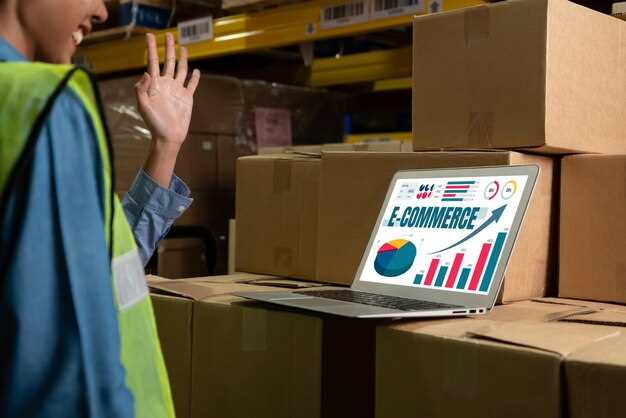
Start by building a data-based, real-time demand-sensing loop that ingests signals from point-of-sale, online orders, supplier confirmations, warehouse inventory, and carrier status. Enter these signals into a centralized platform that spans systems and updates forecasts hourly, so replenishment teams can act before stockouts or excess inventory suffer. This approach sharpens the supply picture and strengthens the operating environment against climate-driven volatility.
Use cutting-edge, probabilistic models to convert signals into actionable alerts. Another signal is climate data and airline capacity that affects transit times; aggregate signals into forecast scenarios, so the team can perceive which products are most sensitive, and which looks vulnerable across routes and facilities. The goal: translate signals into knowable risk and clear, executable steps for every node in the network.
Amazon and Walmart both rely on real-time signals, yet their methods vary. Amazon ties signals from marketplace behavior, fulfillment bandwidth, and carrier status into a tight feedback loop that adjusts delivery windows and inventory positions at the point of decision. Walmart combines store POS, online demand, and supplier performance with cross-docking and store replenishment rules to keep the shelf at the right price and cadence. In both cases, the environment is treated as a living system where repeated signal refreshes reduce lag and improve accuracy.
To govern this capability, appoint a senior officer to lead the program and establish a data governance court that enforces data quality, privacy, and decision rights. A clear, data-based process helps cut failures and aligns labor and employment planning with demand, so the organization can enter new cycles with confidence. When governance is strong, organizations perception of risk improves and the gift is resilience–employees understand what to do, and customers see reliable delivery even under stress from a tough climate or disrupted supply routes.
Practical steps to implement now: define what signals matter (POS, e-commerce activity, supplier confirmations, weather and flight capacity, and warehouse stock), build a unified data layer that integrates these inputs, deploy cutting-edge forecasting that updates hourly, and set measurable goals for forecast accuracy and service levels. Track improvements in forecast error, stockouts, and outbound fulfillment cycles, and pilot changes in a controlled subset of SKUs before scaling. By focusing on the most impactful signals and maintaining tight governance, you reduce the risk of repeated misalignments and build a robust system that supports both supply and labor planning across the network.
Where to Stock: Distribution center strategy, cross-docking, and regional vs national footprints
Recommendation: Build a two-tier network with regional distribution centers within 1-2 days’ drive of major markets and a compact national hub for slower-changing SKUs, paired with disciplined cross-docking to move products through facilities rather than storing them, which keeps shelves stocked and reduces delays.
Overview: A dynamic mix of regional density and centralized replenishment delivers fast shopping experiences while preserving cost control. Align hub location with high-volume corridors and use cross-docking to push items toward stores with minimal handling. This plan relies on sophisticated routing and data-driven decisions to respond to shifts in demand.
research and richey data show that this sophisticated, dynamic approach reduces delays and boosts in-store shelf availability across stores.
- Regional footprint: place 6-8 regional DCs in high-density areas to cover 70-85% of stores within a 1-2 day reach; use mile-based routing data to optimize door placement and reduce per-mile cost.
- National footprint: maintain a compact national core for slow-moving SKUs and seasonal items, supporting replenishment without overstocking shelves across the network.
- Cross-docking: implement dedicated cross-dock lanes for fast-moving categories like cereal and household staples; incoming pallets from suppliers are sorted by store order and moved directly to outbound trailers, minimizing handling and time in the network.
- SKU and packaging: optimize for shelf-ready packaging and clear labeling to ease cross-dock handoffs; maintain alignment with shelves in stores so replenishment matches how they organize products for quick shopping.
Data-driven results from pilots show reductions in delays and improved in-store availability when cross-docking is paired with regional hubs. In tests, dwell times fell by 30-40%, and on-shelf availability rose to 97-98% in target chains. Notorious delay spikes during peak season were damped by 20-25% due to tighter inbound control and improved routing. Acknowledging negative events, teams built a rapid apology protocol to communicate with stores and shoppers when an exception occurs and to outline the corrective steps taken.
Compliance and policies: document standard operating procedures, stay aligned with agencies and regulators, and maintain transparent communication with partners. Use regular compliance checks and audit trails to prevent malfunctions; when failures occur, issue a clear apology to stores and shoppers and adjust policies promptly. The work took a coordinated effort across teams to keep shopping experiences smooth and to follow policies in practice.
- Mapping and design: identify metro corridors and key supplier ecosystems; build a phased plan to add regional DCs and the national core.
- Implementation: install cross-dock facilities, automate inbound sorting, and adopt data-driven routing with real-time mile/travel estimates.
- Execution: train teams, define SLAs, and document all steps to ensure policy adherence and traceability.
Implementation notes: follow a metrics-driven process, track data on each leg, discuss results in regular reviews, and adjust the network to keep costs down while maintaining stores’ availability. Through disciplined testing and iteration, the network can respond to changes in demand, supplier performance, and regulatory requirements without sacrificing service.
Automation and Data Platforms: robotics, warehouse software, and data lake architectures

Perhaps the first step is to deploy a scalable data lake that ingests real-time telemetry from robotics and warehouse software, plus footage from cameras and order data. This data, conveyed through streaming pipelines, informs the control loop to optimize the process. The needed architecture cuts labor, reduces latency to the least possible level, and improves visibility into supply, materials, and throughput.
Automate the pick, pack, and put-away with cobots and WMS that share a common data model, so decisions happen in a single, auditable manner. Establish clear communication protocols and bolster data contracts; accents such as timestamps and event IDs improve correlation across footage and order events. Use an event-driven architecture to scale highly dynamic workloads and optimize the use of labor. These experiences sharpen data science insights and drive actionable metrics, with many facilities reporting arresting increases in throughput and accuracy.
Partnerships with suppliers, carriers, and technology vendors help lock in interoperability, reduce integration risk, and accelerate time to value. Keep a single source of truth to drive supply planning, order forecasting, and materials replenishment. americanblack sensors and modules standardize inputs across facilities; alongside robust security and governance, this approach lowers risk. Note: document data flow, ownership, and access controls; followed by frequent audits. Use analytics to detect anomalies in truck routes and yard footage to flag potential thieves and improve response times.
Resilience Playbooks: supplier risk, dual sourcing, and outage response
Recommendation: implement a dual-sourcing policy for all critical SKUs and create a formal supplier risk rating with quarterly reviews. For the top 20% of spend, require two alternate suppliers per SKU and target a 30% reduction in single-source exposure within 90 days. Establish six weeks of safety stock for high-demand categories like cereal and other essentials, and synchronize weekly with operations to keep stock delivered on time.
Current risk framework starts with a 5-factor score like financial health, capacity, geopolitical exposure, labor stability, and ESG performance. Link data from supplier self-assessments, performance history, and bureaus to a live worldwide dashboard that flags red or yellow risk by region. Maintain weekly updates and a fast-fix play for high-velocity items to prevent bottlenecks in the current network.
Dual sourcing plan: for each critical component, designate two vetted suppliers and run a 60/40 split in orders during stable months, increasing to a 50/50 split when risks rise. Prioritize tangible anchors such as bolts, packaging, and electronics, and ensure alternate sources can meet peak demand in a pinch. If a disruption hits, switch to planes for urgent shipments, reroute by land or sea as needed, and preserve a ready-to-execute air-freight option to keep lead times bounded.
Εγχειρίδιο αντιμετώπισης διακοπής: τα όρια ενεργοποίησης πυροδοτούν την ταχεία ενεργοποίηση–καθορίστε ρόλους σε προμήθειες, logistics και λειτουργίες καταστημάτων, καθώς και μια διαλειτουργική διοίκηση συμβάντων. Προδιαπραγματευτείτε τις χωρητικότητες με μεταφορείς, αποθήκες και συνεργάτες αντίστροφων logistics για να εξασφαλίσετε θέσεις προτεραιότητας, να κατανείμετε τις αποστολές στα πλησιέστερα κέντρα διανομής και να τεκμηριώσετε την αλληλουχία για να ελαχιστοποιήσετε τις καθυστερήσεις. Επικοινωνήστε με σαφήνεια με τους πελάτες και χρησιμοποιήστε ένα προετοιμασμένο σενάριο απολογίας όταν είναι απαραίτητο, ενώ εκτελείτε αποτελεσματικά τις επιστροφές και ενημερώνετε τους πελάτες για τα χρονοδιαγράμματα παράδοσης.
Άνθρωποι και συνεργασίες: επενδύστε στην ανάπτυξη προμηθευτών και την από κοινού επίλυση προβλημάτων· συνεργαστείτε με πανεπιστήμια (universidad) για την ανάπτυξη προγραμμάτων σπουδών ανθεκτικότητας που καλύπτουν την αξιολόγηση κινδύνων, τον σχεδιασμό αντιμετώπισης εκτάκτων αναγκών και τη συνεχή βελτίωση. Εμπλέξτε κοινωνικά και εργασιακά προγράμματα για την προστασία των εργαζομένων και τη μείωση της έντασης των αερίων του θερμοκηπίου σε βασικές τοποθεσίες. Δημιουργήστε διαφανή συνεργασία με παγκόσμιους προμηθευτές για την εναρμόνιση των προτύπων και εξασφαλίστε ότι η διαθεσιμότητα αποθεμάτων υποστηρίζει τις αιχμές της ζήτησης χωρίς να θέτει σε κίνδυνο τις δεοντολογικές πρακτικές.
Διακυβέρνηση και μετρήσεις: δημιουργήστε έναν πίνακα ελέγχου που να παρακολουθεί το ποσοστό εξάντλησης αποθεμάτων, την έγκαιρη παράδοση και τη ροή επιστροφών ανά προμηθευτή, περιοχή και οικογένεια προϊόντων. Παρακολουθήστε τη διάρκεια της διακοπής, το κόστος των έκτακτων αναγκών και τον χρόνο αλλαγής προμηθευτών, καθώς και την αποτελεσματικότητα των έκτακτων αναγκών αεροπορικής μεταφοράς. Χρησιμοποιήστε πληροφορίες από γραφεία απόδοσης προμηθευτών για να προσαρμόσετε το μείγμα και να επενδύετε συνεχώς σε δυνατότητες που συντομεύουν τους χρόνους ανάκαμψης, διατηρώντας παράλληλα την ποιότητα και τα επίπεδα εξυπηρέτησης.
Εκτελεστική νοοτροπία: αντιμετωπίστε την ανθεκτικότητα ως ένα συνεχές πρόγραμμα αλλαγών, όχι ως μια εφάπαξ επιδιόρθωση. Αξιοποιήστε τα διδάγματα από κάθε αναταραχή για να βελτιώσετε τα σχέδια, παρόμοια με τον τρόπο που οι ομάδες υψηλής ταχύτητας επαναλαμβάνουν σε απάντηση ταχέων γεγονότων. Αντλήστε έμπνευση από ηγέτες που δίνουν προτεραιότητα στην ταχύτητα και την ευελιξία και διατηρήστε την εστίαση στους πελάτες – διασφαλίζοντας ότι το απόθεμα φτάνει όπου χρειάζεται, με ελάχιστες απολογίες και σαφή επικοινωνία όταν προκύπτουν εξαιρέσεις. Σχεδιάστε για συνεχιζόμενες επενδύσεις, αναγνωρίστε την αξία της ετοιμότητας και δημιουργήστε μια κουλτούρα που θέλει να προηγείται του κινδύνου αντί να αντιδρά μετά το γεγονός.
Άριστη Παράδοση: επιλογές τελευταίου μιλίου, παράδοση στο πεζοδρόμιο και ροή επιστροφών
Υιοθετήστε την παραλαβή από το πεζοδρόμιο και την αγορά online-παραλαβή στο κατάστημα (BOPIS) ως βασικές επιλογές τελευταίου μιλίου και ευθυγραμμίστε τις με μικρο-κέντρα εκπλήρωσης σε πυκνοκατοικημένες αστικές περιοχές. Αυτός ο συνδυασμός μειώνει δραστικά τα μίλια τελευταίου μιλίου ανά παραγγελία, επιταχύνει τις προθεσμίες και μειώνει τον κίνδυνο κλοπής, διατηρώντας αυστηρή την επαλήθευση της παραλαβής. Απλώς συνδέστε τις ηλεκτρονικές παραγγελίες με το πλησιέστερο σημείο παραλαβής, προωθήστε την κατάσταση σε πραγματικό χρόνο στους πελάτες και διοχετεύστε τις επιστροφές μέσω της ίδιας βελτιωμένης διαδρομής.
Η βελτιστοποίηση διαδρομών πρέπει να είναι δυναμική και να δρομολογείται στο πλησιέστερο διαθέσιμο χρονικό περιθώριο, με ευέλικτα διαστήματα παράδοσης που αξιοποιούν θυρίδες, λωρίδες παράδοσης στο πεζοδρόμιο και ζώνες παραλαβής από το κατάστημα. Συνδέστε αυτές τις επιλογές με τα υπάρχοντα αποθέματά σας, ώστε οι πελάτες να βλέπουν ακριβές περιεχόμενο σχετικά με το τι είναι έτοιμο τώρα, πού και πότε. Οι συχνές προσαρμογές από τους σχεδιαστές μειώνουν τις δυσλειτουργίες και διατηρούν τις παραγγελίες σε κίνηση, καθώς οι ομάδες σε όλες τις λειτουργίες μοιράζονται ένα ενιαίο εγχειρίδιο.
Η ροή των επιστροφών θα πρέπει να ενσωματωθεί στο ίδιο δίκτυο, με ειδικά κέντρα επιστροφών που θα χειρίζονται την ταξινόμηση ανάλογα με την κατάσταση και τη διευθέτηση. Τα επιστρεφόμενα είδη μετακινούνται γρήγορα για ανακαίνιση, μεταπώληση ή απόρριψη, ελαχιστοποιώντας την ταλαιπωρία για τους πελάτες και απελευθερώνοντας χώρο στα DC. Αυτό επιτρέπει την ταχύτερη εκκαθάριση του αντίστροφου αποθέματος και βελτιώνει τις ταμειακές ροές σε όλα τα κανάλια, διατηρώντας χρήματα που διαφορετικά θα μπορούσαν να παραμείνουν αδρανή κατά τη μεταφορά ή στα ράφια.
Αποτυπώστε και μεταδώστε σαφείς οδηγίες παραλαβής, ενημερώσεις ΕΤΑ και εναλλακτικές επιλογές μέσω ενός συνεκτικού επιπέδου περιεχομένου στην εφαρμογή. Ενισχύστε τη σχέση με τους πελάτες προσφέροντας προβλέψιμες επιλογές κατά τη στιγμή της αγοράς και αμέσως μετά, μειώνοντας τις εγκαταλελειμμένες διαδρομές και αυξάνοντας την αφοσίωση. Τα στελέχη αποκτούν ορατότητα σε μετρήσεις που έχουν σημασία: παραλαβές εντός χρονοδιαγράμματος, ποσοστό επιστροφών ανά κέντρο και αντίκτυπος πωλήσεων μεταξύ καναλιών.
Αξιοποιήστε αεροπλάνα και χερσαία δίκτυα για τη μετακίνηση παραγγελιών υψηλής προτεραιότητας μεταξύ κόμβων όταν χρειάζεται, εξισορροπώντας την ταχύτητα με το κόστος. Στην πράξη, οι διασυνοριακές παραδόσεις χρησιμοποιούν αεροπλάνα για το μεγάλο σκέλος, ενώ το τελευταίο μίλι χειρίζεται το υπόλοιπο. Αυτή η προσέγγιση προσφέρει εξαιρετικές επιδόσεις τόσο σε αστικά κέντρα όσο και σε αγροτικές περιοχές, με λιγότερες τριβές που προκαλούνται από τις καιρικές συνθήκες ή τα οδικά προβλήματα και μια πιο σταθερή ροή στις αγορές.
Παρακολουθήστε την πρόοδο με απλούς KPIs: χρόνο από την παραγγελία έως τη συλλογή, χρόνο αναμονής στο πεζοδρόμιο, αποτυχημένες προσπάθειες παραλαβής και διάρκεια κύκλου επιστροφής. Δημιουργήστε μια ισχυρή κουλτούρα βάσει δεδομένων, όπου η σαφήνεια του περιεχομένου, η ορατότητα σε πραγματικό χρόνο και οι γρήγορες επαναλήψεις δίνουν τη δυνατότητα στις ομάδες να τηρούν αυστηρές προθεσμίες, προστατεύοντας παράλληλα το περιβάλλον και την κερδοφορία. Το αποτέλεσμα είναι μια ανθεκτική, πελατοκεντρική μηχανή παράδοσης που διατηρεί τις πωλήσεις σε άνοδο και τα χρήματα σε κυκλοφορία, χωρίς να θυσιάζεται η ποιότητα των υπηρεσιών.