


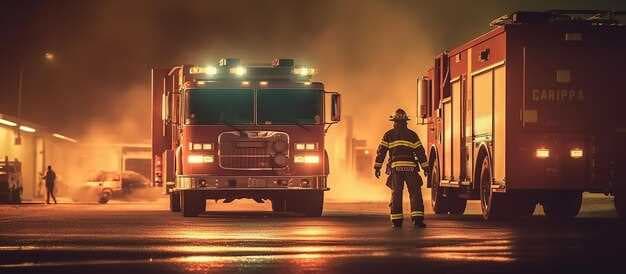

Inspect and replace worn fuel lines before every trip to cut fire risk. This action protects life and shows that truckers are owed safe operating conditions from their carriers and the regulatory system. Keep meticulous maintenance records to prove you followed best practices and to document compliance with regulatory duties. When a fault is caused by damaged materials or loose connections, immediate action prevents escalation on the highway.
Common causes of truck fires include electrical faults, overheated braking systems, fuel-system leaks, and improper storage of flammable materials. In many fleets, risk rises when materials lie near hot components or when insulation and wiring degrade. A color-coded inspection routine helps teams spot wear, but only if the findings lead to timely action. Documented cases show how small faults, if ignored, can be used as ignition sources that escalate into full-blown fires.
Life and occupational safety are at stake for drivers, other road users, and communities. The regulatory framework places clear responsibility on the carrier and the fleet, with training, maintenance, and emergency-response plans as core duties. The duty to maintain readiness reflects care for the crew and the public; addressing hazards now protects them and the families who thank you for keeping trucks moving safely.
Prevention relies on concrete steps: a strict pre-trip check of fuel lines, clamps, and electrical harnesses; ready access to a Class B or ABC extinguisher; secure storage of materials and loads away from heat; clean engine bays; and a documented maintenance schedule with timely replacements of worn parts. Train drivers to use extinguisher only when safe, evacuate, and call emergency services when a fire starts. This action reduces the chance that a case becomes a total loss.
In practice, fleets should track data from trucks and routes to identify hotspots–electrical compartments, battery bays, and exhaust areas are common ignition points. A practical target is annual refresher training for truckers, quarterly checks of regulatory compliance, and a 24/7 reporting line to ensure risks are addressed quickly. thank you for prioritizing safety; this diligence is a core part of your occupational responsibility and helps protect life, equipment, and the carrier network.
Practical Fire Prevention and Response for Driver91 Medium Load Members

Keep a Class ABC fire extinguisher within arm’s reach in the cab and perform a five‑minute pre‑trip check each shift to confirm the gauge is in the green, the pin is intact, and the nozzle is clear. This quick action protects you, the service, and the load, and it creates a ready response where a small fire can be contained before it grows bigger.
During the pre‑trip, inspect the engine bay, electrical harnesses, battery terminals, fuel lines, hoses, and brake components for signs of wear or damage that could ignite fuel or oil. Verify the extinguisher, first‑aid kit, and reflective triangles are present and accessible. Check tires for bulges and adequate tread; overheated brakes or dragging components can start fires under heavy road conditions. Use color‑coded tags or labels to track components that require attention and note any issues in a simple form for quick reference.
On the road, if you see smoke or flames, slow gradually, pull safely onto the shoulder, set hazards, and turn off the engine. If flames are small and you can reach the extinguisher safely, apply the PASS technique–Pull the pin, Aim at the base of the flame, Squeeze the handle, Sweep side to side. Stand upwind and keep a safe distance while you attempt suppression; if you cannot approach safely, evacuate and call emergency services. Do not open the trailer or compartment if the fire is inside and you cannot access it without risking a rapid spread.
For fires involving cargo, comply with carrier and shipper instructions and follow local regulations. Note where the incident happened, capture a brief description, and document the time, weather, road conditions, and any actions you took. A prompt, documented response protects your financial position and the protection of the load, and it reduces the risk of a claim against you or the carrier. Ten ness ee trucking routes and other jurisdictions have different reporting needs, so keep a simple form ready that records the facts and demonstrates you acted prudently rather than negligently. If the fire cannot be contained, your actions influence liability, insurance outcomes, and potential remedies or medical considerations for anyone involved.
After an incident, review the cause–whether it was mechanical failure, electrical fault, or improper cargo securing–and file a formal report with the company. Share what happened with the dispatcher, shippers, and the service team to prevent repetition. Use the notes to inform future driver training, maintenance, and pre‑trip checks, and discuss any needed changes to your duty cycle or route where risks are higher. This proactive approach helps you learn, strengthens protection for the fleet, and supports a safer road program overall.
Maintain ongoing training and quick‑reference materials focused on fire prevention, extinguisher use, and on‑road response. Schedule regular refresher sessions, practice PASS techniques, and review medical considerations for smoke exposure or inhalation safety. Keeping these routines sharp saves time in real events, lowers risk, and demonstrates commitment to safe, compliant service that keeps drivers, shippers, and customers secure while reducing exposure to legal or financial repercussions.
Engine Fire Triggers and Early Warning Signs
Perform a pre-trip engine bay inspection and address any abnormal readings immediately to prevent engine fires. Check coolant level, oil status, fuel lines, wiring, belts, and firewall insulation before you depart; this proactive step protects the crew, cargo, and the terminal there.
Engine fire triggers include electrical faults from damaged wiring; fuel leaks near hot surfaces; oil leaks contacting exhaust components; coolant system overheating; failed fans or water pump; clogged radiators; turbo seal leaks; and mechanical friction from worn bearings. The источник of heat near exhaust components or turbo housing is critical; ensure maintenance keeps guards in place and wiring protected; loading conditions can raise engine stress and lead to damage.
Early warning signs include a rising coolant temperature gauge or alarm, burning smells, smoke in the engine bay, oil or fuel puddles, illuminated check-engine or oil-pressure lights, abnormal noises, and reduced power. If such signals appear, there is time to act; know that time matters and respond immediately to protect the engine and cargo.
The driver is responsible for the initial assessment and for reporting complaints from the field. Dispatches and offices must route alerts to the maintenance team and mechanics for quick diagnosis; they should log the incident, cite regulatory requirements, and track duty status. A loaded truck will face higher electrical and mechanical load, so guard rails and engine bay protections must be intact to protect components and people. Follow rules for safe shut-down and imminent-fire response.
If warning signs escalate, know the actions: pull over in a safe location at least 100 meters from structures or other vehicles; shut the engine and set the parking brake; power off electrical systems; evacuate if there is flame or heavy smoke; call dispatches or terminal personnel for assistance; keep away from the engine bay until a crew arrives; do not open the radiator cap; use a Class B or C extinguisher only if trained and it is safe; document time, location, and actions to ensure regulatory compliance.
After action, the maintenance team must inspect for source of ignition, repair damage, and re-test all elements of engine cooling and electrical systems. Update rules and training materials to prevent recurrence; review terminal procedures and duty assignments to ensure there is less risk next time. Conduct a thorough inspection of the cargo system and ensure time alignment with dispatches to avoid delays.
Electrical Faults to Check Before Every Trip
Check the battery terminals and main harness connections before every trip; clean, tighten, and apply approved corrosion protection to prevent arc faults and fires.
Verify battery state and secure the battery hold-down; ensure the vent hoses are intact and not kinked, while noting any abnormal battery swelling or discharge in the written file. This keeps you aligned with regulatory protections and your duty to safety.
Inspect wiring harnesses for worn insulation, cracked jackets, exposed conductors, and chafed routes near hot components or moving parts. Remove any heat sources or relocate cables to reduce heat exposure that can lead to fires or insulation damage.
Check ground straps and all chassis grounds; loose grounds create high resistance, overheating, and erratic behavior in sensors and controllers. Tighten to the manufacturer’s torque spec and verify continuity.
Review fuses, relays, and protection modules (HMRS and related circuits); confirm ratings match the written file and that protective means engage correctly during faults. If a fuse or relay shows trace wear, replace it to avoid a termination on the road.
Examine connectors at the terminal blocks and harness joints; push-pull connectors should click firmly and wires should not show green corrosion or frayed strands. Replace any damaged terminals to prevent intermittent starts or fires.
Test insulation resistance where practical and perform a visual sweep for signs of overheating, melted insulation, or burnt smells. If you find suspicious insulation, end the test and address the root cause before the next trip.
Record all findings and actions in a written file, including part numbers, torque specs, and replacement dates. This proves compliance with regulatory expectations and supports ongoing maintenance planning.
Face the checks with purpose; a quick, disciplined routine reduces risk and protects everyone involved. Then follow agreed steps, and if any fault is suspected, stop and resolve it before you proceed. Thanks for honoring your duty and the protections built into the system.
| Part / Area | Common Faults | Checks and Actions |
|---|---|---|
| Battery and Terminals | Corrosion, loose posts, damaged cables | Clean, reseat, apply corrosion protection; verify voltage; tighten to spec |
| Wiring Harness & Insulation | Worn insulation, exposed conductors, chafing | Inspect routes, repair or reroute; replace damaged sections; protect with loom |
| Grounding & Chassis Grounds | Loose or corroded grounds, high resistance | Clean contacts, secure fasteners, verify continuity |
| Fuses, Relays & Protection Modules | Blown fuses, damaged relays, HMRS circuit issues | Replace with correct ratings; test protection paths; confirm HMRS signals |
| Connectors & Terminal Blocks | Loose or damaged connectors, corrosion | Reconnect, replace damaged parts, verify secure fit |
| Charging Circuit | Alternator faults, loose belts, bad wiring | Measure charging voltage, inspect belt tension, inspect wiring to the battery |
Cargo-Related Risks and Securing Best Practices
Action requires pre-trip checks: inspect every tie-down, strap, chain, and wheel chock before every haul and replace any worn piece or damaged edge protector immediately. This step protects freight, lowers the chance of load shift, and buys time to fix issues without delaying deliveries.
Cargo-related risks appear when securing devices fail or when loads are unevenly distributed. Shifting can occur during hard braking or cornering, causing pallet damage, strap loosening, or a split in the load. Hands-on checks of the tie-downs, anchors, and blocking help you know where weak points are and reduce injuries to people around the truck.
Best practices start with the right equipment: use rated tie-downs and chains, add edge protectors, and create a stable base with full-length blocking. For pallets, aim for at least two strap points per unit; for heavy, oversized freight, use more straps and cross-bracing. Keep bundles tight, avoid gaps, and protect edges to cut damage. Time spent on setup saves time on the road.
For hazardous freight, follow hmrs guidance: separate incompatible goods, maintain proper placarding, and use locked, sealed containers whenever possible. Confirm the form and balance of the load with the driver, and verify that the securing plan conforms to the rules for that cargo. Thefriscokid's tips on methodical checks are worth knowing; share with other trucks in your offices network.
On the road, perform quick checks at each stop: confirm straps remain tight after 50 miles or after rough road segments; re-tighten after loading at a dock; re-check after unloading and repackaging. Keep a provision of spare straps and edge protectors in the cab. If you detect a defect, stop, fix, and document for the next leg; letting a bad securing go can lead to fires or cargo loss.
Whether you haul general freight or hazardous goods, follow a simple form of habit: plan, secure, verify, and document. These steps create a uniform approach across offices and with partners, protecting freight and people and reducing the risk of costly delays. Here is a concise checklist to keep in the truck long enough to be actionable: pre-trip securing, check every strap and anchor, edge protection in place, weight distribution even, use chocks, hmrs compliance, verify with the driver, log the check, share learnings with the party. Thank you for reading and keep action as a routine.
Onboard Fire Suppression: Systems, Placement, and Use
Install a certified onboard fire suppression system rated for engine compartments and cargo areas, and ensure it is maintained monthly. Sure to select a unit with fixed nozzles covering the engine bay, cab area, and key cargo zones so youre protected if a fire starts in any space you operate.
Placement matters: position discharge nozzles to shield the engine bay, transmission tunnel, battery group, and primary cargo lines. A two-zone layout–with coverage for the engine/cab area and the cargo zone–improves response if a fire starts near lines or insulation. In other zones such as the sleeper cab or the rear door area, extend coverage accordingly. Here, ensure the actuation device is reachable by the driver and clearly labeled.
Operation and response: when the system discharges, stop safely, pull over, and evacuate with passengers if present. Notify dispatch and follow your plan; do not tamper with the canister or valves. Monitor the pressure gauge after activation and confirm the system shows a safe status. In memphis fleets, drivers reported faster reaction times when the plan was practiced monthly and reinforced by messages from maintenance teams.
Maintenance routine: inspect the cylinders for corrosion, seals, hoses, and wiring; verify the pressure reading on the gauge is within the sensor range; test the manual pull and interlocks during a controlled drill by a qualified tech. Log results in a maintenance log or messages so anyone involved can see the status, and replace any damaged components immediately. Youve got to maintain the system so it remains ready for a real event.
Training and policy: create a simple operating plan today that includes who maintains the system, how to test it, and what drivers should do if it fires. Violating the procedure can expose the company to loss and liability; if a fire occurs and the system was not properly maintained, youre liable for resulting damage and may face disciplinary action, including being fired. Maintain a clear line of authority; the plan should clearly show the steps, who is involved, and the line of communication for incident reporting.
Plan your response today: set a concise checklist for pre-trip, in-trip, and post-discharge actions, and deliver a short training module for new drivers. The plan should include who to contact, where to find spare parts, and how to verify post-activation pressure; use plain messages and quick-reference cards so crews stay aligned. That ensures protection of assets, reduces loss, and keeps drivers informed about what to do when the system fires.
Roadside Response: Steps If a Fire Breaks Out
Pull over to a safe spot, turn off the engine, apply the parking brake, and switch on hazard lights immediately.
- Call 911 with your exact location (mile marker or GPS), cargo description, and number of people involved; fmcsas guidance and источник emphasize rapid notification, and tennessee guidelines align with these steps.
- Evacuate all occupants to a safe distance away from the truck; establish a clear perimeter on the road shoulder and keep lines of traffic in view; stay calm, avoid rude reactions, respect certain safety margins, and confirm theyre all accounted for, anyway.
- Do not open the hood or doors if flames are near fuel lines; youve got to move to a safer spot and stay uphill if possible to minimize exposure to vapor.
- If you can approach safely and have a working extinguisher (Class ABC or BC) and training, attack the fire at its base from a safe angle using the PASS method (Pull, Aim, Squeeze, Sweep); some training resources reference bzinger-style checklists, as said in safety briefs.
- Shut off power to the trailer and disconnect power connections only if you can do so safely; otherwise keep away and let responders handle the force of the fire.
- Observe the cargo and environment; note the lines of the cargo system, potential release points, and these elements form part of responders' risk assessment; file a brief incident record with time, location, cargo, and damage details.
- Follow the directions of police or fire crews and respect notice, rules about road safety; if you must move, do so only when instructed.
- When the fire is under control, document everything with photos and a short report; this directly supports loss assessments and insurance claims and helps your carrier coordinate next steps.
Learn these steps to respond quickly and keep everyone safer on the road. These practices prove effective in reducing injuries and loss; in addition, other transportation safety sources and fmcsas guidance underscore preparedness. Thanks.