


 Ελληνικά
  English (UK)
  Русский
  العربية
  日本語
日本語  한국어
한국어  Magyar
  Türkçe
  Español
  Čeština
  Svenska
  Português
  Suomi
Suomi  Nederlands
  Română
  Italiano
  Français
  Polski
  Українська
  Deutsch
  简体中文
简体中文  Slovenčina
  Τι είναι η Διαχείριση Παραγγελιών; Τα Οφέλη ενός Συστήματος Διαχείρισης Παραγγελιών (OMS)">

Εφαρμόστε ένα OMS τώρα για να συγκεντρώσετε τη ροή παραγγελιών και να αποφύγετε χειρωνακτικά λάθη. Αυτό διαχειρίζεται παραγγελίες από ιστότοπους, marketplaces και καταστήματα, και παρέχει ένα outline του κάθε βήματος από την καταγραφή μέχρι την παράδοση. Με αυτό το σύστημα μπορείτε expand ορατότητα σε αποθέματα, αποθήκη και πόρους management, maintain ακριβή δεδομένα, και αναδιάταξη αυτοματοποιημένα για να μειώσουν τις ελλείψεις αποθεμάτων. Επεξεργασία μέσω ενός ενιαίου πίνακα για timely παράδοση labels, και ενημερώσεις κατάστασης, ενώ παρακολουθεί την financial επίπτωση και εντοπισμό αναποτελεσματικότητας για αρκετές ομάδες, πάντα παρούσα σε χειροκίνητες διαδικασίες, και απόφυγε ελλείψεις όπου είναι δυνατόν.
Από την καταγραφή έως την εκπλήρωση, το OMS παρέχει μια σαφή outline του κύκλου ζωής και συντονίζει τα δεδομένα σε όλο τον ιστότοπό σας και τις αποθήκες σας. Δρομολογεί αυτόματα τις παραγγελίες μέσω του οι πιο γρήγοροι δρόμοι εκπλήρωσης, εκτυπώσεις labels, και δημιουργεί λίστες επιλογών. Υποστηρίζει αναδιάταξη triggers, άμεση ορατότητα αποθεμάτων και διαχείριση εκκρεμών παραγγελιών, ενημερώνοντας τους πελάτες και μειώνοντας την επείγουσα επανεργασία. Μέσω τυποποιημένων API, συνδέετε το ηλεκτρονικό εμπόριο, το ERP και τις υπηρεσίες μεταφορέων με ελάχιστο κώδικα.
Συνήθως, ένα OMS μειώνει τον χρόνο κύκλου παραγγελιών κατά 25–40% και αυξάνει τις έγκαιρες παραδόσεις στο 98–99% σε πολύ-τοπολογικά δίκτυα. Βελτιώνει την ακρίβεια της επιλογής σε πάνω από 99%, ελαχιστοποιεί τις εξαντλήσεις αποθεμάτων με την αυτοματοποίηση αναδιάταξη triggers, και μειώνει τις καθυστερήσεις παραγγελιών κατά 30–50%. Ενοποιώντας τα σήματα ζήτησης και προσφοράς, εσείς απόφυγε διαταραχές και υπερβολικά κόστη. Αυτό θεωρείται στάνταρ πρακτική από πολλούς αναλυτές.
Για να υλοποιηθεί αποτελεσματικά, ξεκινήστε με τρία δοκιμαστικά: μια τοποθεσία, μια αγορά και μια σύνδεση μεταφορέα. Αντιστοιχίστε βασικούς KPI: χρόνο κύκλου παραγγελίας, ποσοστό πληρότητας, ποσοστό τέλειας παραγγελίας και ακρίβεια ETA παράδοσης. Ευθυγραμμίστε την αυτοματοποίηση στην εκτύπωση ετικετών, αναδιάταξη thresholds, και ενημερώσεις παρακολούθησης μεταφορέων. Διατηρήστε καθαρά δεδομένα αφαιρώντας διπλότυπους πελάτες, τυποποιώντας SKU και επικυρώνοντας διευθύνσεις. Αυτή η προσέγγιση συντομεύει τον χρόνο απόκτησης αξίας περίπου σε 8–12 εβδομάδες για μια μεσαίου μεγέθους επιχείρηση και σας βοηθά να αποφύγετε τα σημεία συμφόρησης που επιβραδύνουν την εκτέλεση.
Επισκόπηση των εννοιών διαχείρισης παραγγελιών και του πρακτικού πεδίου εφαρμογής
Εφαρμόστε κεντρικό εντοπισμό παραγγελιών σε διάφορες τοποθεσίες για να βελτιώσετε την ορατότητα από τη λήψη παραγγελίας έως την παράδοση, και συνδέστε τα δεδομένα πωλήσεων με τα σχέδια αποθεμάτων και παραγωγής. Ένα ισχυρό επίπεδο βάσης δεδομένων υποστηρίζει μια ενιαία πηγή αλήθειας, μειώνει την εισαγωγή δεδομένων με το χέρι και επιταχύνει τις απαντήσεις σε ερωτήσεις πελατών και συνεργατών εδώ.
Η προσέγγιση αυτή βελτιώνει την απόδοση σε όλη τη ροή παραγγελιών και βασίζεται σε μια σταθερή υποδομή για να κλιμακωθεί με τον όγκο και τους ιστότοπους.
Οι βασικές έννοιες αντιστοιχούν στη ροή από άκρο σε άκρο: καταγραφή, δρομολόγηση, διάθεση, εκτέλεση και παρακολούθηση μετά την παράδοση. Η παρακολούθηση παρέχει σχεδόν σε πραγματικό χρόνο ορατότητα για το πού βρίσκεται κάθε παραγγελία στην παραγωγή, το απόθεμα και την αποστολή. Η παρακολούθηση και οι ειδοποιήσεις κρατούν τις ομάδες εναρμονισμένες, έτσι ώστε οι προσδοκίες των πελατών να παραμένουν ακριβείς και οι ημερομηνίες παράδοσης αξιόπιστες.
Το σύστημα δεν απαιτεί συνεχή χειροκίνητη συμφιλίωση, χάρη στην αυτοματοποιημένη μεταφορά δεδομένων και την παρακολούθηση σε πραγματικό χρόνο.
Το πρακτικό πεδίο εφαρμογής καλύπτει χώρους, αποθήκες και γραμμές παραγωγής, με έμφαση στην άμεση ορατότητα και τον αυτοματισμό. Για να το κρατήσουμε απλό, συμπεριλάβετε την ενσωμάτωση με ERP, CRM και τρίτους λογιστικούς συνεργάτες για τη μείωση του κόστους και τη βελτίωση των επιπέδων εξυπηρέτησης. Ο όγκος παραγγελιών και οι δίοδοι καθορίζουν την ανάγκη για επεκτάσιμη υποδομή που μπορεί να λαμβάνει δεδομένα από πολλές πηγές και να ενημερώνει αυτόματα τη βάση δεδομένων. Βασικοί παράγοντες περιλαμβάνουν τους χρόνους παράδοσης, το ασφάλιστρο αποθεμάτων, τη παραγωγική ικανότητα και την απόδοση των μεταφορέων. κάθε παράγοντας επηρεάζει τα χρονοδιαγράμματα και το κόστος.
| Όψη | Πεδίο εφαρμογής και σημειώσεις |
|---|---|
| Λήψη παραγγελιών | Παραγγελίες από ιστότοπους και κανάλια· τροφοδοσία δεδομένων στη βάση δεδομένων και λήψη ενημερώσεων από τα κανάλια. |
| Συγχρονισμός αποθεμάτων | Άμεση προβολή σε αποθήκες και παραγωγή· μειώνει τις ελλείψεις αποθεμάτων. |
| Σχεδιασμός παραγωγής | Συνδέστε τη ζήτηση με την παραγωγική ικανότητα· παρακολουθήστε την πρόοδο και προσαρμόστε τα προγράμματα. |
| Εκπλήρωση παραγγελιών και αποστολή | Παρακολούθηση της συσκευασίας, της παράδοσης στις μεταφορικές εταιρείες και της κατάστασης παράδοσης· παροχή ειδοποιήσεων στους πελάτες. |
| Παρακολούθηση και ειδοποιήσεις | Αυτοματοποιεί την παρακολούθηση και στέλνει ειδοποιήσεις για εξαιρέσεις. |
| Ανάλυση και κόστη | Αναλύστε τον όγκο, την απόδοση και τον αντίκτυπο των επενδύσεων στα περιθώρια κέρδους. |
| Μοντέλο δεδομένων και βάση δεδομένων | Κεντρική βάση δεδομένων με ισχυρό σχήμα που υποστηρίζει τις ενσωματώσεις. |
| Υποδομή και ενοποίηση | Συνδέει ιστότοπους, ERP, WMS, πλατφόρμες ηλεκτρονικού εμπορίου για να απλοποιήσει τη ροή δεδομένων. |
Ποιο πρόβλημα λύνει ένα OMS για την ομάδα σας;
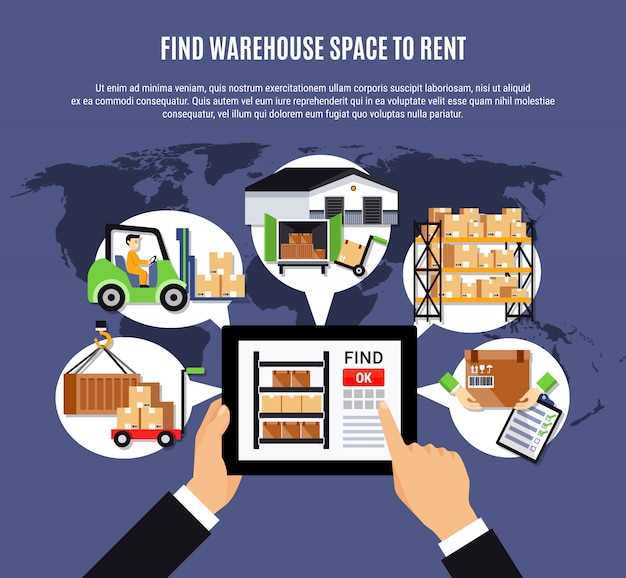
Εφαρμόστε ένα OMS για να συγκεντρώσετε τα δεδομένα παραγγελιών και να εξαλείψετε τις κατακερματισμένες αναθέσεις εντός της ομάδας σας. Παρέχει ένα clear single source of truth that speeds delivery to your customers.
Thus, the system συλλέγει data from orders, inventory, carrier updates, and payments, giving you end-to-end visibility across every area.
This visibility improves accuracy και μειώνει αναποτελεσματικότητες that slow processes during peak times.
With this foundation, you deliver στο δεξιά line items and can handle ειδικός cases without manual rework, across each area.
It moves teams away from spreadsheets προς ένα program that can handle high order volume και παραγωγή of status updates in real time, reducing times to act.
Ως ένα result, το company gains differentiation και competitive advantage through faster, more accurate fulfillment.
Ensuring full lifecycle coverage–from capture to revenue realization–this approach aligns with needs and protects revenue.
Start with a targeted area to demonstrate ROI, then scale the program across the organization.
Thus, you can move beyond generic processes and build a platform that supports growth, volume, και το παραγωγή of insight for decision-making.
What data does an OMS centralize? (orders, inventory, shipments, returns)
Centralize four data domains in one OMS–orders, inventory, shipments, and returns–to unlock immediate visibility and faster processing across the network. A unified data model lets logistics teams act on real-time insights rather than chasing updates from multiple systems.
Data centralized by the OMS covers these domains:
- Orders: order_id, customer_id, items (sku, quantity), prices, discounts, status, requested_delivery_window, changes, fulfillment_stage.
- Inventory: on_hand, allocated, in_transit, warehouse_location, batch/lot, expiration (where applicable).
- Shipments: routing, carrier, tracking_numbers, labels, events, ship_date, delivery_eta, exceptions.
- Returns: return_id, order_id, reason_code, authorization_status, disposition, restock, credits.
To maximize value, ensure these data streams feed into integrations with ERP, WMS, and TMS, creating a clear data loop that keeps the target delivery commitments on track. Platforms from körber offer a mature data model that maps these domains across multiple warehouses, helping you reach an entire view of the operation and realize huge potential.
Whats next is to scale integrations to more platforms and locations, extending the same data centralization benefits across the network and unlocking greater potential.
Implementation steps you can take now:
- Map data fields across systems and agree on naming conventions (order_id, sku, warehouse_id, etc.).
- Validate data quality and resolve duplicates or mismatches; set automated checks for every update.
- Define data update cadence and what constitutes a valid status change (processing, in_transit, delivered, returned).
- Set up dashboards and alerts for exceptions in routing, inventory levels, or return approvals to reduce manual reviews.
- Align terms with partners and carriers to ensure consistent expectations around delivery windows and charges.
besides, monitoring these domains together improves the entire flow, from order capture to final delivery, elevating efficiency and enabling a greater level of control over the delivery path. This approach supports sales teams as well as logistics, enabling you to reach the target service level and avoid unnecessary back-and-forth at the processing stage.
How does OMS handle cross-channel and cross-warehouse routing?

Use a centralized routing engine that automatically assigns orders by channel and warehouse based on real-time signals. This approach allows you to balance speed and cost, generating faster confirmations and reducing friction for shoppers. The routing plan supports cross-channel routing and cross-warehouse routing, keeping live visibility across inventory, capacity, and transit costs so teams can make decisions in seconds. Decisions occur in under 200 ms in typical setups.
Through channel-specific rules, the OMS maps each incoming order from online stores, marketplaces, and mobile apps to the fulfilment path that best matches stock, proximity, and customer expectations. This reduces negative delays and keeps the shopping experience smooth, preventing frustrated buyers from abandoning carts. The system can confirm a routing decision or generate a confirmation to the customer, and it raises alerts when stock is insufficient or a channel SLA is at risk, helping teams stay on plan and making the process more predictable.
Across warehouses, live inventory feeds and transit data drive automated decisioning. If the closest facility lacks enough stock, the engine routes to the next best warehouse with the right mix of speed and cost. This keeps costly last-mile moves down and increased delivery speed for the customer. Cross-warehouse routing can cut transit distances by 25-40% compared with single-warehouse pathways. Firms that have a global inventory view see stronger results.
Operational practices focus on maintain strict control over routing rules: define service levels per channel and per warehouse, set thresholds, and enable alerts for exceptions. With a clear plan, teams manage contingencies and communicate with customers via a timely confirmation. The approach is highly scalable, supports generating things like substitutions or split shipments, and is likely to reduce frustration while maintaining fast, reliable shipping across channels and facilities. Maintaining accurate data across systems is critical. In pilots, firms report 10-15% higher on-time delivery and 5-12% lower shipping costs.
What are Step 4 delivery tracking capabilities: real-time status, ETAs, and carrier updates
Start by wiring live carrier feeds into Step 4 and presenting a clear status stream on the customer-facing page. A real-time view reduces support inquiries and keeps customers informed as a shipment moves through milestones.
Core capabilities include real-time status, precise ETAs, and carrier event alerts. The OMS should ingest events such as Picked up, In transit, Arrived at hub, Out for delivery, and Delivered, then map them to a concise progress log in the UI. Use ETA calculations based on carrier data and route history, refined by current traffic, weather, and last-mile performance.
To achieve accuracy, maintain a single source of truth for each shipment by linking carrier feeds to the OMS via stable connections. Use retry logic and fallback paths when a feed is temporarily unavailable.
Measure success with metrics such as update latency (target under 2–3 minutes for domestic lanes), ETA window accuracy within 15–20 minutes when data from carriers is available, and the share of status mismatch errors. Ensure the main carrier connections cover most shipments; for cross-border flows, add a secondary data source to reduce gaps.
Craft a consistent status narrative across devices. Show a clear “Delivery estimate” and next milestone. When delays occur, trigger proactive notifications in the customer portal and optional email or SMS alerts to keep customers informed and reduce support load.
Architectural notes: keep the integration lean, document the status lifecycle, and align with your customer experience goals. Regularly reassess with operations and customer support to refine triggers and thresholds, ensuring a smooth delivery tracking experience.
Which metrics demonstrate the impact of delivery tracking and customer notifications
Always establish a baseline by measuring on-time delivery rate, ETA accuracy, and delivery window adherence. Track notification effectiveness via open rates and click-through rates across channels on the site, email, SMS, and push. Monitor carrier performance with tracking event depth and update latency. These metrics reveal how delivery tracking and customer notifications influence the customer experience and commerce, and they help you identify where keeping customers informed still reduces support inquiries.
- Operational accuracy: On-time delivery rate, ETA accuracy, and first-attempt delivery; target: >95% on-time and ETA within ±30 minutes in urban zones; monitor weekly and trend monthly to see faster improvements over quarters.
- Tracking and monitoring depth: Number of tracking events per order, status updates latency, and carrier response time; aim for 5–7 events per order and <5-minute update latency; this gives you deeper visibility and reduces back-and-forth inquiries.
- Notification performance: Delivery of notifications, open rate, click-through rate, and unsubscribe rate; measure by channel (site, email, SMS, push); target higher engagement on channels with best response; monitor this across campaigns.
- Channel effectiveness: Channels across site and other touchpoints; ensure consistent messaging; faster notification across channels increases customer confidence.
- Cost and accounting impact: Cost per delivery, cost-to-serve, and refunds due to delays; link to accounting for final reconciliation; monitor this to ensure the cost remains acceptable and improvements are cost-effective.
- Customer feedback and support interactions: CSAT and NPS related to delivery experience; pull feedback after each notification; highly correlated with lower contact volume and higher loyalty.
- Integrations and data hygiene: Number of integrations (OMS, WMS, ERP accounting, carriers) and data freshness; aim for a single source of truth and monitoring uptime; this helps the overall view and reduces errors.
To maximize impact, build a dashboard with a single source of truth that combines this data, and set thresholds to alert teams when any metric drifts beyond the target. This approach, supported by imarticus guidance, keeps teams aligned and enables faster decision-making. Keep a tight feedback loop where site and channel notifications are tested, refined, and extended effortlessly, leading to increases in customer satisfaction and commerce outcomes.