Autor
James Miller se especializa en logística global y dinámicas de la cadena de suministro. Su trabajo de investigación explora las complejidades del comercio internacional, los desafíos de infraestructura y los avances tecnológicos que dan forma al comercio moderno. Aboga por prácticas sostenibles y transparencia en las operaciones de la cadena de suministro.

Ascent Aviation Plans to Begin Initial Boeing 777-300ERSF Cargo Conversion by Late 2023
Ascent Aviation Services is making strides, gearing up to start its first conversion of the Boeing 777-300ERSF aircraft by the end of this year.

How Peterson Manufacturing’s Automation and Vertical Integration Strategy Will Impact Prices and Production in 2026
Peterson Manufacturing announced that for nearly all its products, prices will either remain the same or go down in 2026.

Spain’s Autonomous Workers Face Steep Social Security Hike: ATA Pushes Back on Government Plan
The Spanish Government has unveiled plans to increase social security contributions for self-employed individuals, covering the period from 2026 to 2028.

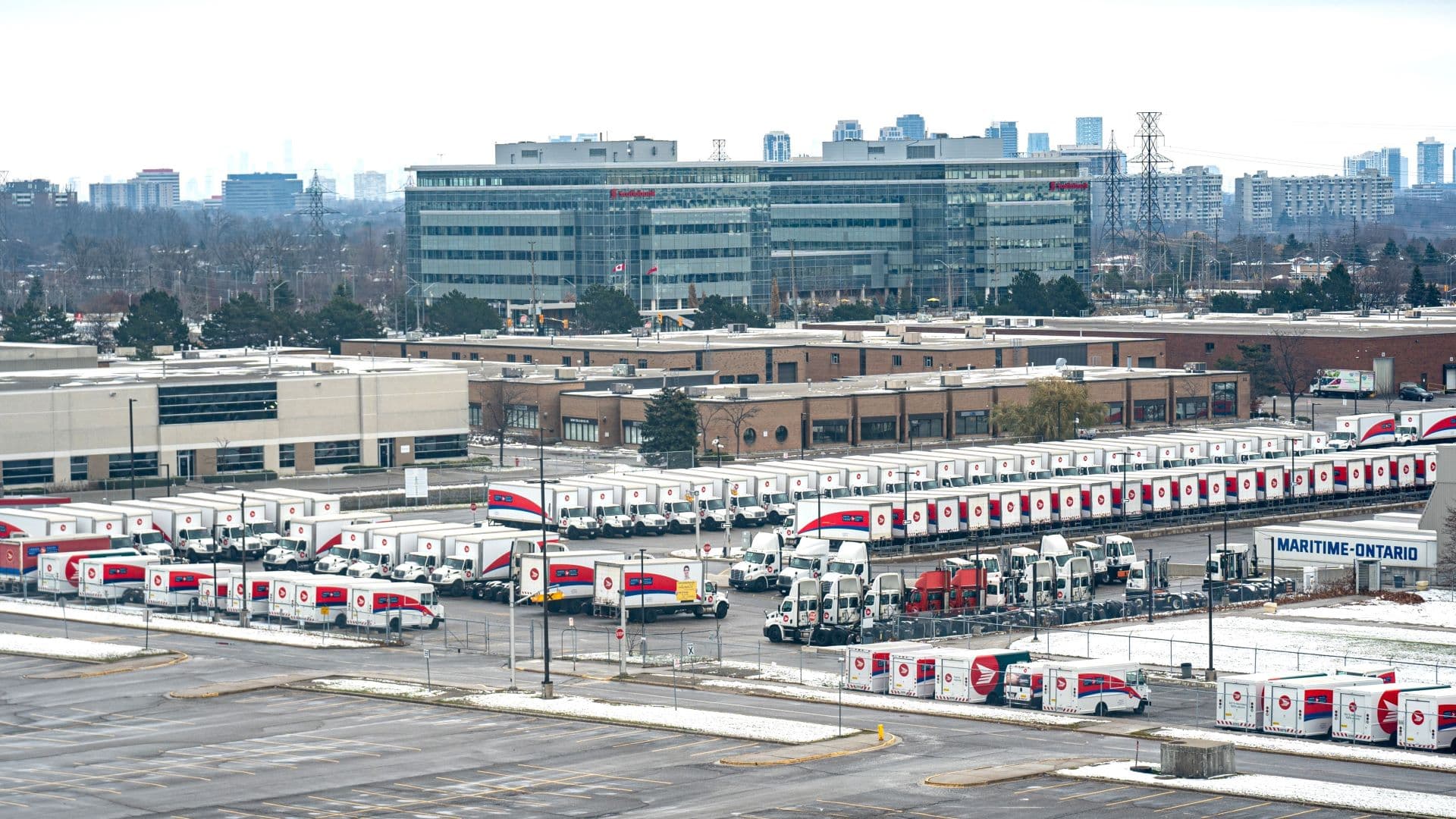
Navegando retrasos en las entregas mientras Canada Post reanuda operaciones en medio de huelgas laborales intermitentes
Canada Post ha reanudado oficialmente sus operaciones en todo el país después de un período de interrupción causado por huelgas entre sus carteros.

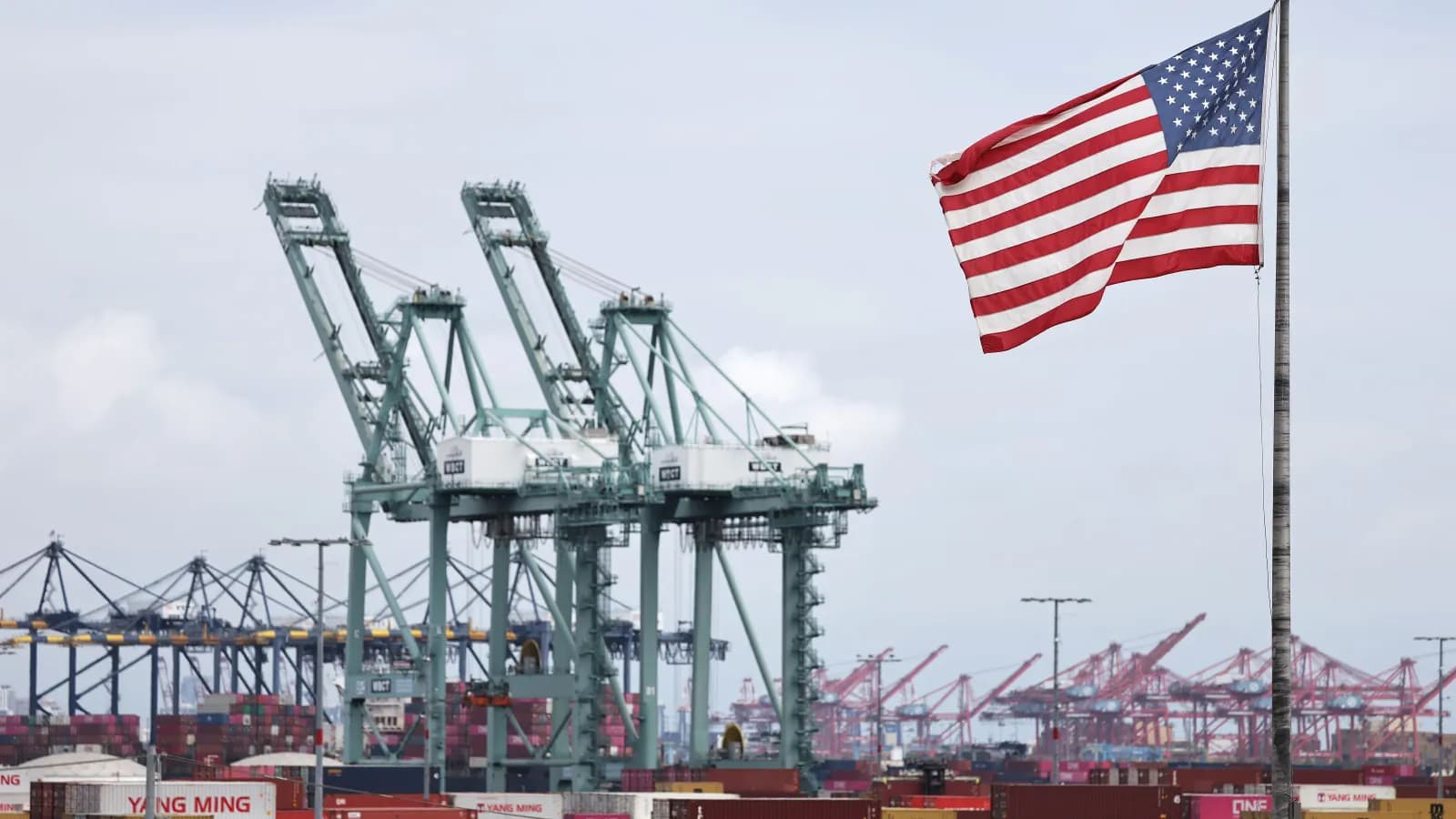
U.S. Enforces 100% Tariffs on China-Connected Ship-to-Shore Cranes and Port Equipment
Starting November 9, the United States is set to impose 100% tariffs on ship-to-shore cranes and related cargo handling equipment linked to China.

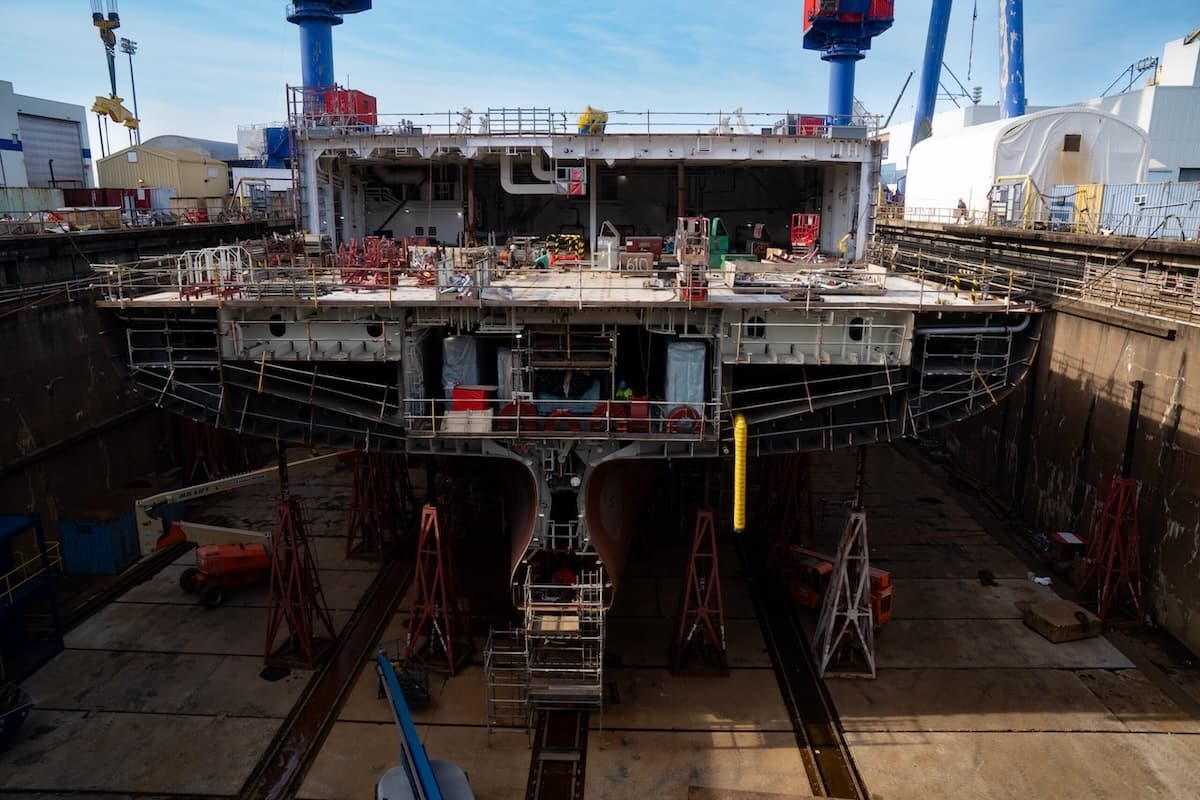
China Targets Hanwha’s American Shipbuilding Arms in Latest Trade Developments
The latest chapter in the ongoing trade tensions between China, the U.S., and South Korea has been written with a bold move by Beijing: sanctions on U.S.

Navigating the Wave: China’s 2025 Port Fees and Their Ripple Effect on U.S. Shipping and Global Logistics
Understanding the 2025 Shift in China-U.S. Shipping Charges A fresh complication has entered the complex trade saga between the U.S. and China. In 2025, China introduced “reciprocal port fees” on U.S.-flagged ships and vessels operated by American shipping companies calling at Chinese ports. This new tariff layer aims to balance out previous U.S. tariff hikes but at the cost of increasing shipping expenses and sowing uncertainty across global supply chains. Details of China’s New Port Fee Policy From October 2025 onward, vessels flying the U.S. flag face additional charges ranging from $2,000 to $3,000 per container when docking at major Chinese ports like Shanghai, Ningbo, and Qingdao.

Serious Collision on N-432 Leaves Two Truck Drivers Seriously Injured in Badajoz Area
In the mid-afternoon hours near kilometer 146.4 of the N-432 highway, within the municipality of Azuaga, Badajoz province, a significant road accident involved two articulated trucks.

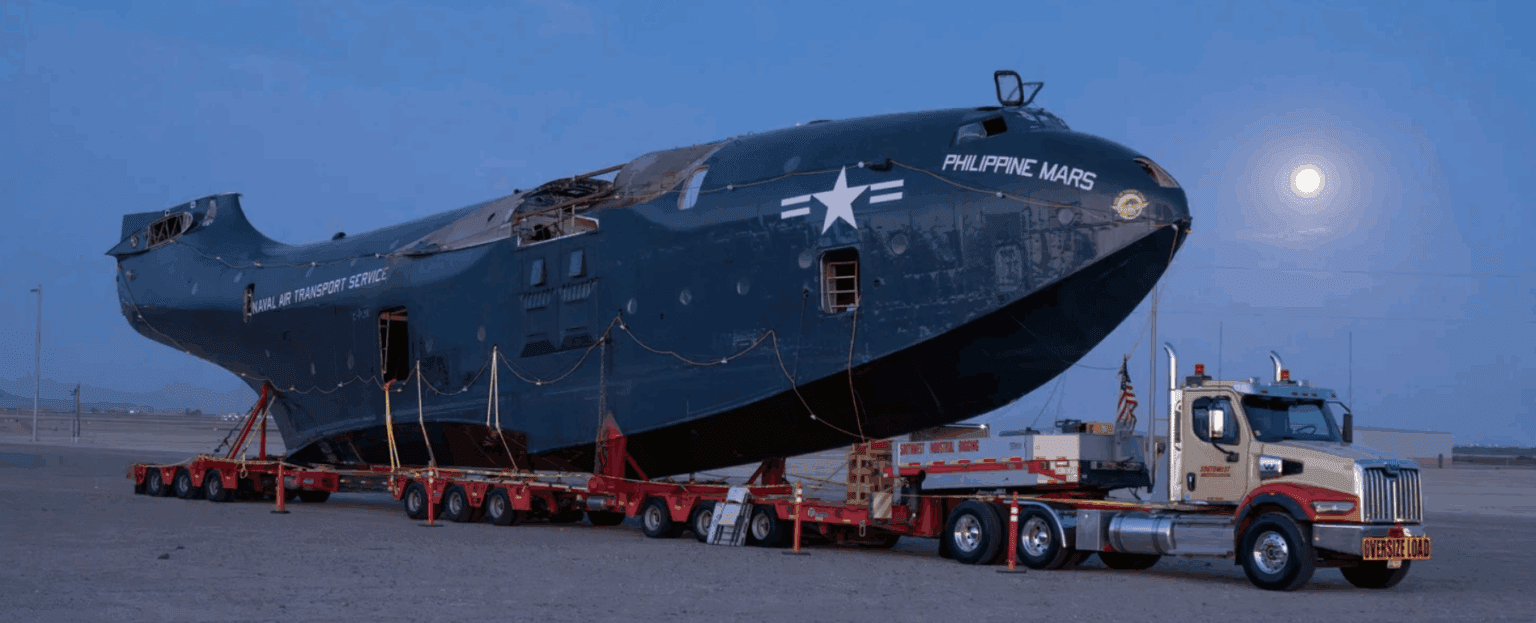
Western Star 49X Powers the Epic Journey of Historic Philippine Mars Flying Boat to Museum
The task at hand was colossal — moving the Philippine Mars, an extraordinary World War II-era flying boat, across 150 miles on land.

Challenge Group’s Zak to Discuss 777 Freighter Conversions at Cargo Facts Symposium 2025
The spotlight is on the evolving air cargo landscape as Or Zak, the chief commercial officer at Challenge Group, takes part in one of the marquee discussions at Cargo Facts Symposium 2025.

Exploring Avacraft’s Use of Amazon’s Supply Chain Services to Boost Inventory and Delivery Efficiency
Avacraft, a premium cookware company, has taken significant strides in improving its supply chain management by adopting several of Amazon’s supply chain tools.

How Tariffs and Trade Shifts Shape the Resilience of Global Supply Chains in 2025
Even as tariffs rise and whispers of de-globalization circulate, international trade refuses to take a nosedive.