Autor
James Miller se especializa en logística global y dinámicas de la cadena de suministro. Su trabajo de investigación explora las complejidades del comercio internacional, los desafíos de infraestructura y los avances tecnológicos que dan forma al comercio moderno. Aboga por prácticas sostenibles y transparencia en las operaciones de la cadena de suministro.

Strategic alliances shaping smarter supply chains and their impact on global logistics
The Role of Alliances in Crafting Smarter Supply Chains Supply chains aren’t what they used to be. Gone are the days when individual companies worked in silos, pushing their goods down the line with little regard for integration or agility. Today, alliances between organizations are emerging as the secret sauce behind more efficient, responsive, and intelligent supply chains. These collaborations help businesses synchronize efforts, leverage shared resources, and respond more rapidly to market fluctuations, turning the entire supply process into a well-oiled machine. Why Alliances Matter in Modern Supply Chains When companies join forces, they can pool knowledge, technology, and networks to

Container Shipping Sees Steep Profit Decline Amid Tariffs and Trade Shifts in Q2 2025
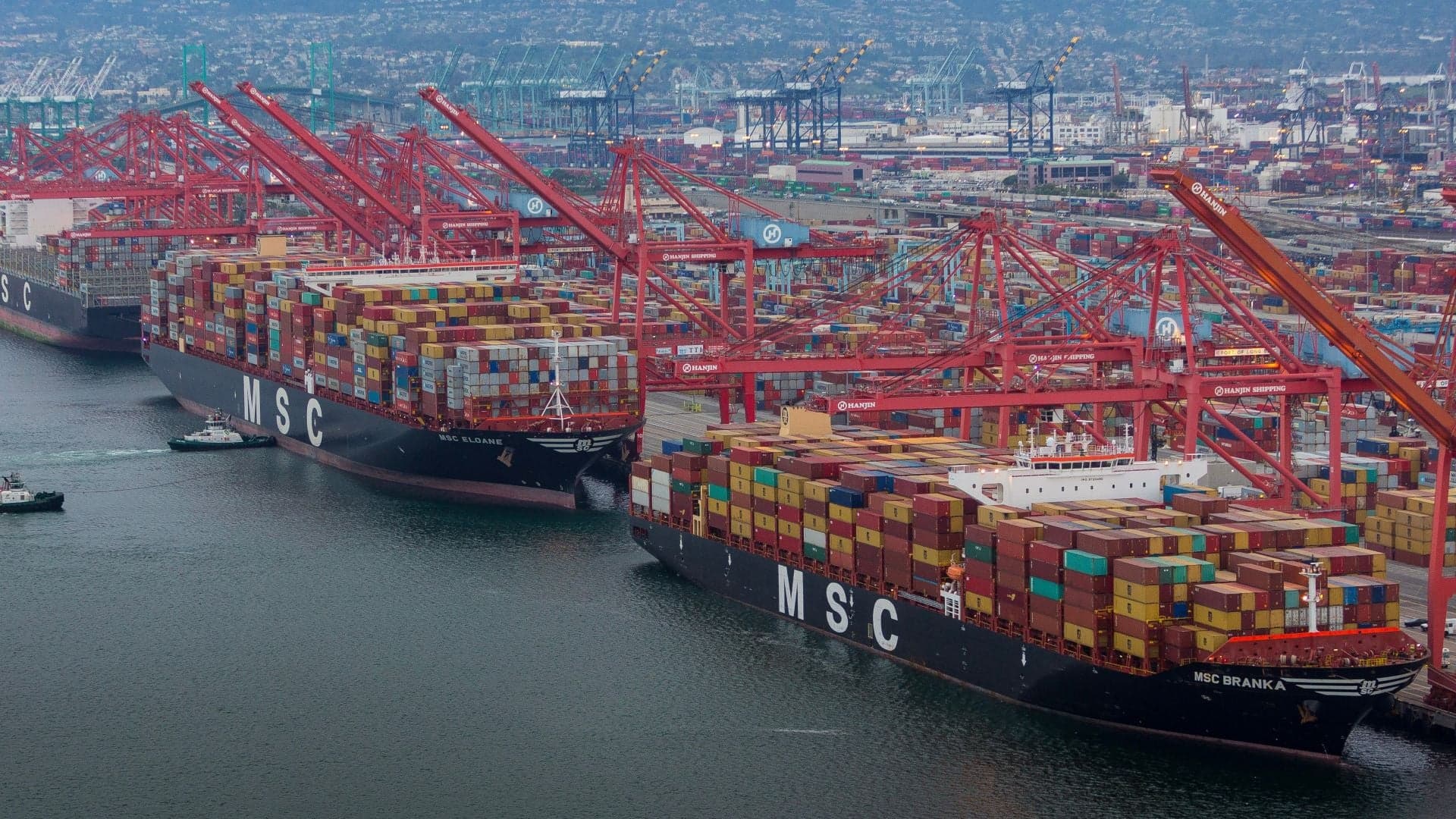
The container shipping sector experienced a sharp downturn in the second quarter of 2025, marking its third straight quarterly decline in earnings.

Exploring Freight Factoring and Its Role in Accelerating Carrier Expansion
In the unpredictable world of trucking and freight transport, cash flow often makes the difference between sinking and sailing.

How FedEx and DHL's New Air Terminals Boost Europe's Package Delivery and Global Air Freight Logistics
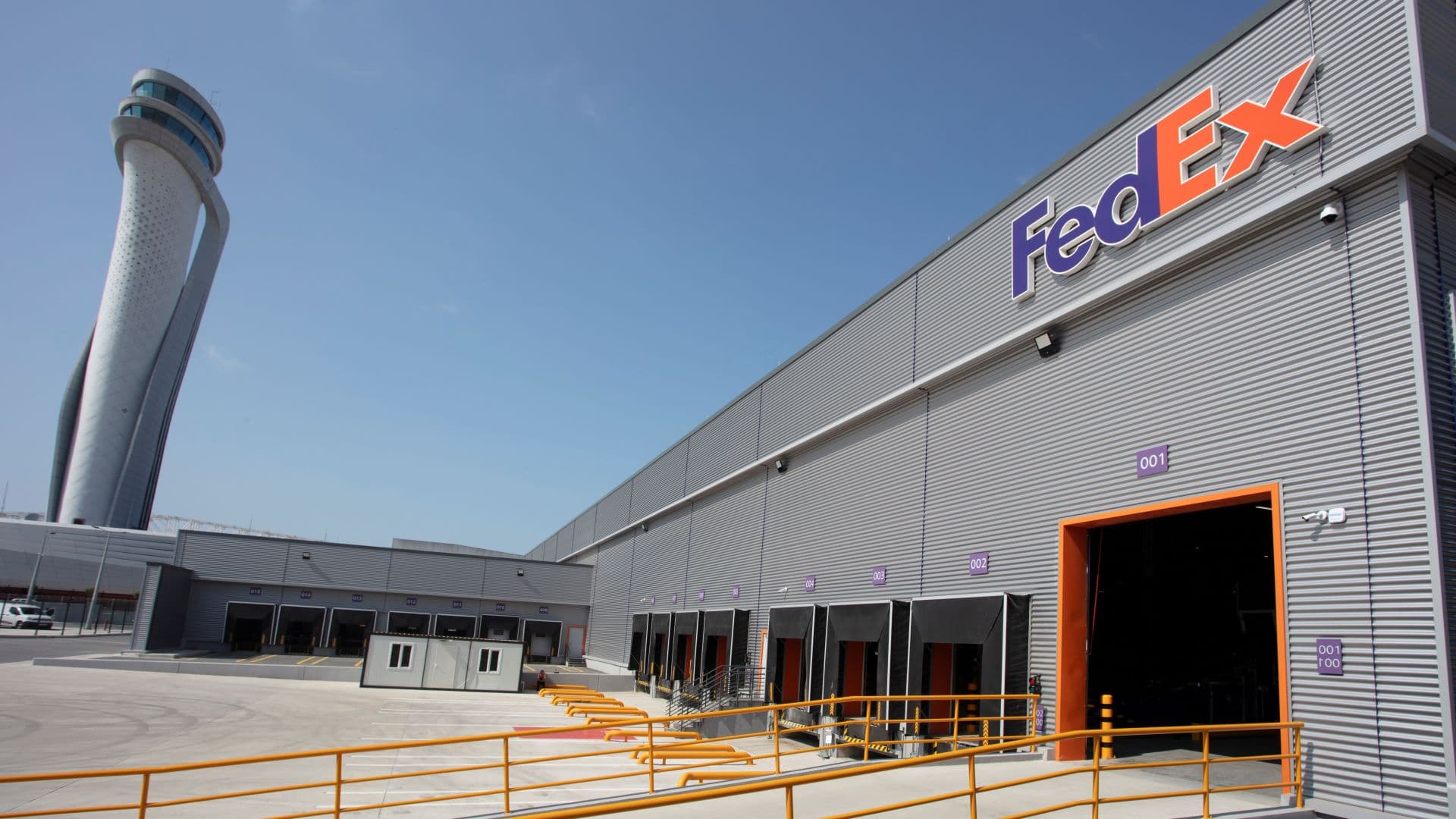
FedEx and DHL Express have recently shifted to larger, purpose-built air cargo terminals on the European perimeter, specifically in Istanbul, Turkey, and Helsinki, Finland.

Leadership Update: Greg Mays Takes Helm as ATSG President Driving Commercial and Operations
In a significant leadership shift, Greg Mays has been appointed President of ATSG, taking charge of the company's commercial and operations teams.

Delays in Roadside Assistance Rise with Breakdown Surges Impacting Vehicle Service Efficiency
This summer marked a historic peak in travel volume, with over 100 million trips recorded.

Dayton Freight extends its terminal network eastward, adding coverage in Pennsylvania and Maryland
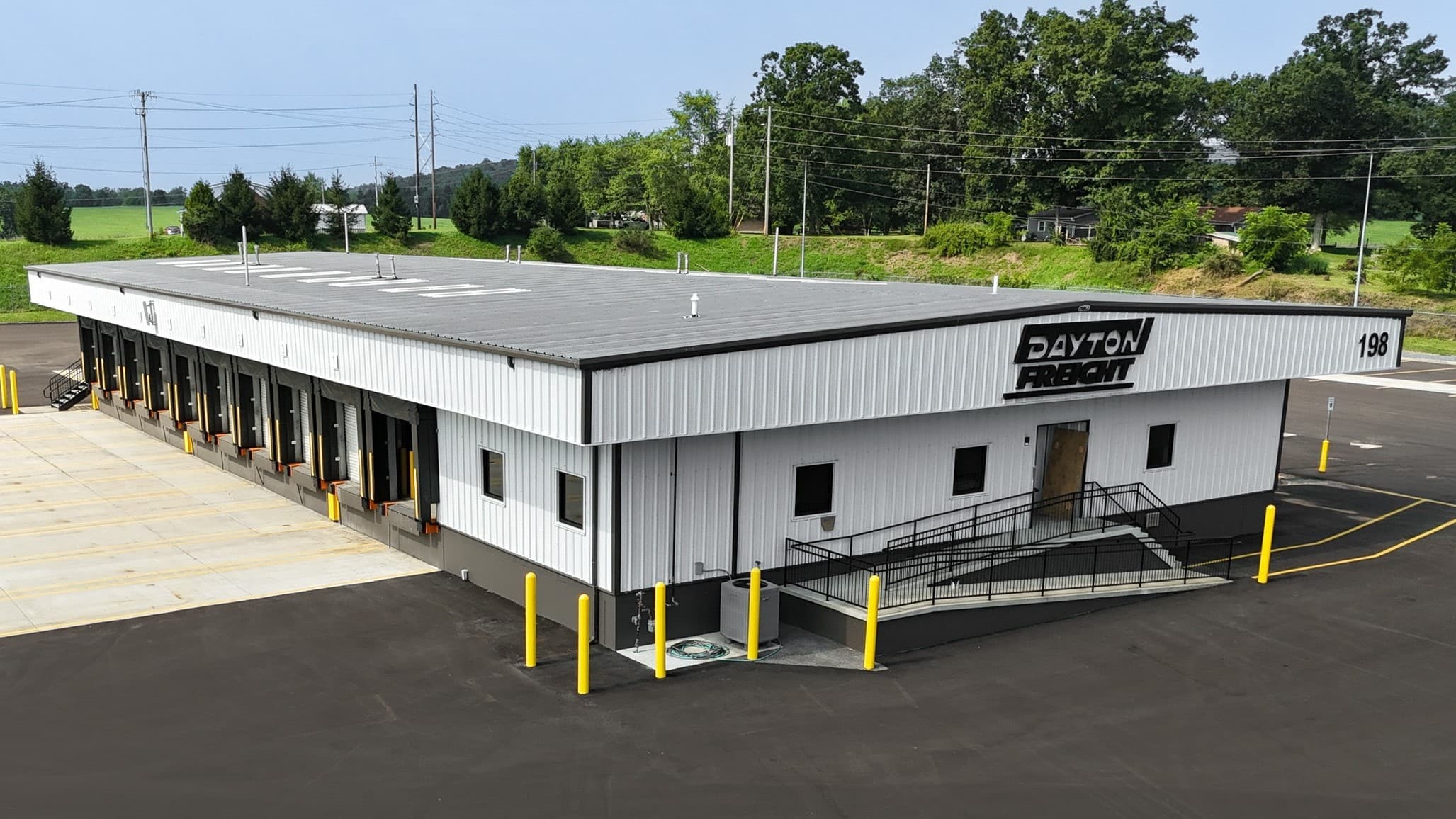
Dayton Freight, a regional less-than-truckload (LTL) carrier known for its efficient freight management, is stretching its service boundaries further east with the launch of a new terminal in Bedford, Pennsylvania.

Robert Van De Weg Discusses Mas’s A330 Freighter Strategy at Cargo Facts Symposium 2025
The upcoming Cargo Facts Symposium 2025 is set to bring together key players in the air cargo and freighter sectors to dissect current challenges and future developments.

Flanders Accelerates Green Public Transport Transition with IVECO BUS’s 110 CROSSWAY LOW ENTRY ELEC Buses
A significant leap is underway in Flanders as 110 IVECO BUS CROSSWAY LOW ENTRY ELEC electric buses have been deployed to enhance the region’s public transportation system.

How Werner Enterprises Capitalizes on Mexico’s Investment Surge to Strengthen Cross-Border Freight Services
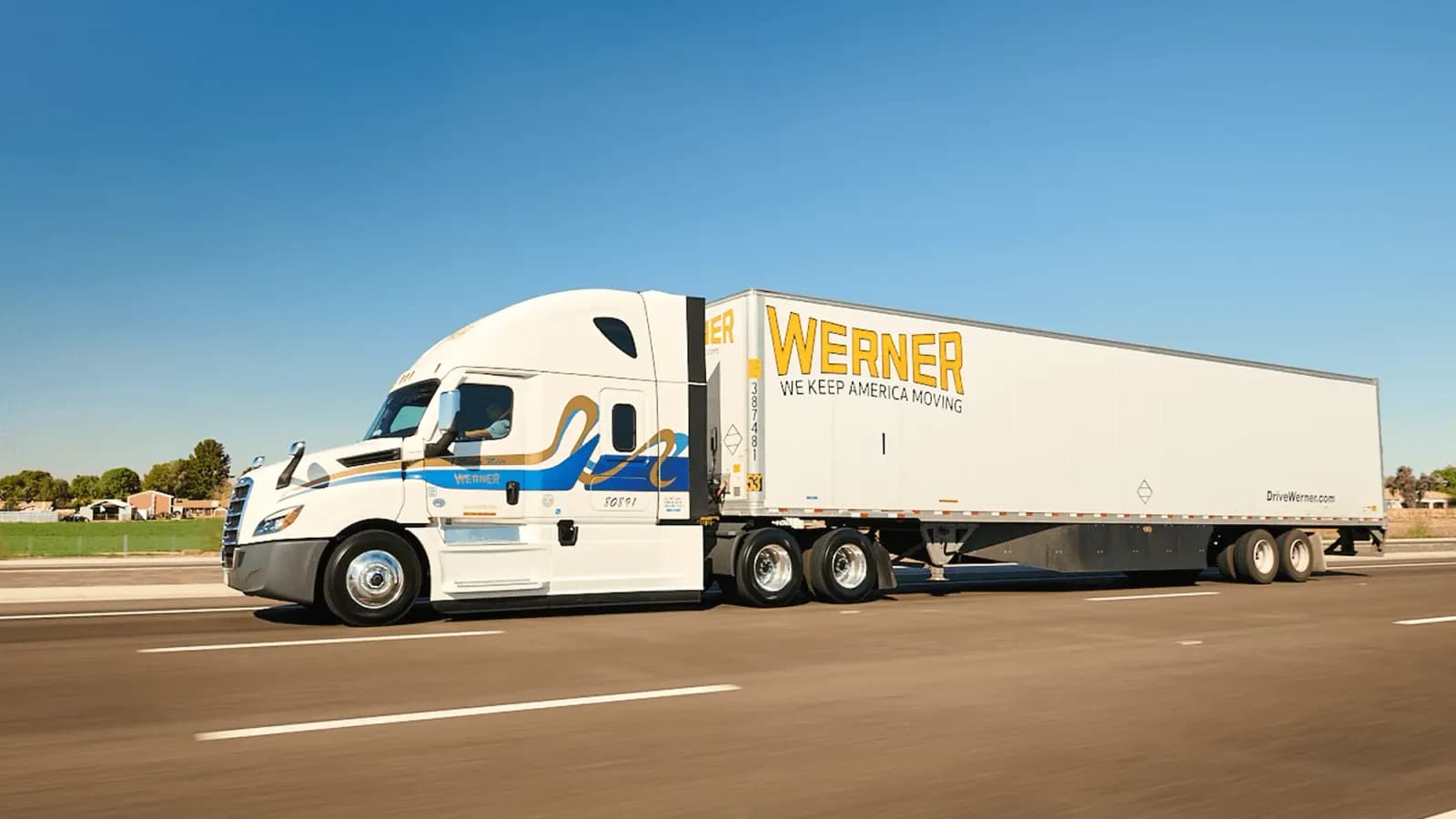
Werner Enterprises is positioning itself as a heavyweight in cross-border freight transport between the U.S.

DHL Express México and SEDECO Join Forces to Support Oaxaca’s MiPyMEs and Artisans
The union between DHL Express México and the Secretaría de Desarrollo Económico del Estado de Oaxaca (SEDECO) is set to give a serious boost to the region's micro, small, and medium enterprises (MiPyMEs) and talented artisans.

The Role of MCP and Shared AI Reasoning in Shaping the Future of Supply Chain Logistics
Understanding the Fragmented State of Supply Chain Technology Supply chains today resemble a patchwork quilt—functional but disjointed. Planning systems forecast demand, ERPs handle orders, TMS optimize transport, and WMS manage the warehouse. Each tool excels at its task, yet they operate in isolated silos. This separation means critical information often fails to travel across departments smoothly, causing delays and inefficient responses. For instance, if forecasting highlights a sudden surge in demand, this intel might only reach procurement or logistics after delays, which can lead to bottlenecks as supply struggles to keep pace. Similarly, supplier risks flagged in one system may not