Autor
James Miller se especializa en logística global y dinámicas de la cadena de suministro. Su trabajo de investigación explora las complejidades del comercio internacional, los desafíos de infraestructura y los avances tecnológicos que dan forma al comercio moderno. Aboga por prácticas sostenibles y transparencia en las operaciones de la cadena de suministro.

The Impact of FMCSA's Deregulation Efforts on Trucking
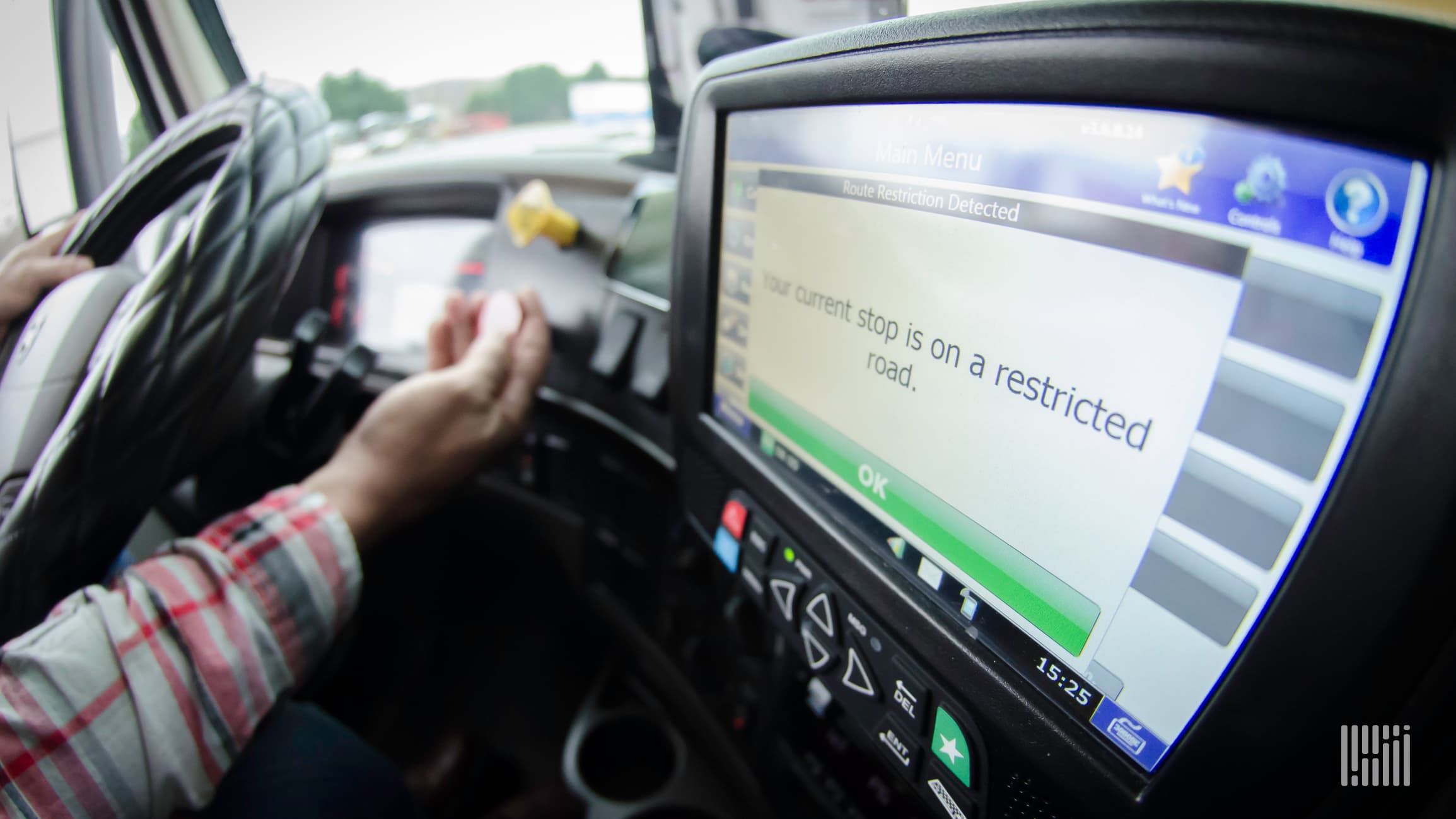
The Federal Motor Carrier Safety Administration (FMCSA) has initiated a notable movement toward deregulation, aiming to relieve the compliance pressures that motor carriers face.

Mondelez Maintains Its Guidance Following Strong Earnings Performance
Mondelez International has recently reported impressive second-quarter financial results that have surpassed market expectations.

A Closer Examination of Werner's Quarterly Earnings and Market Position
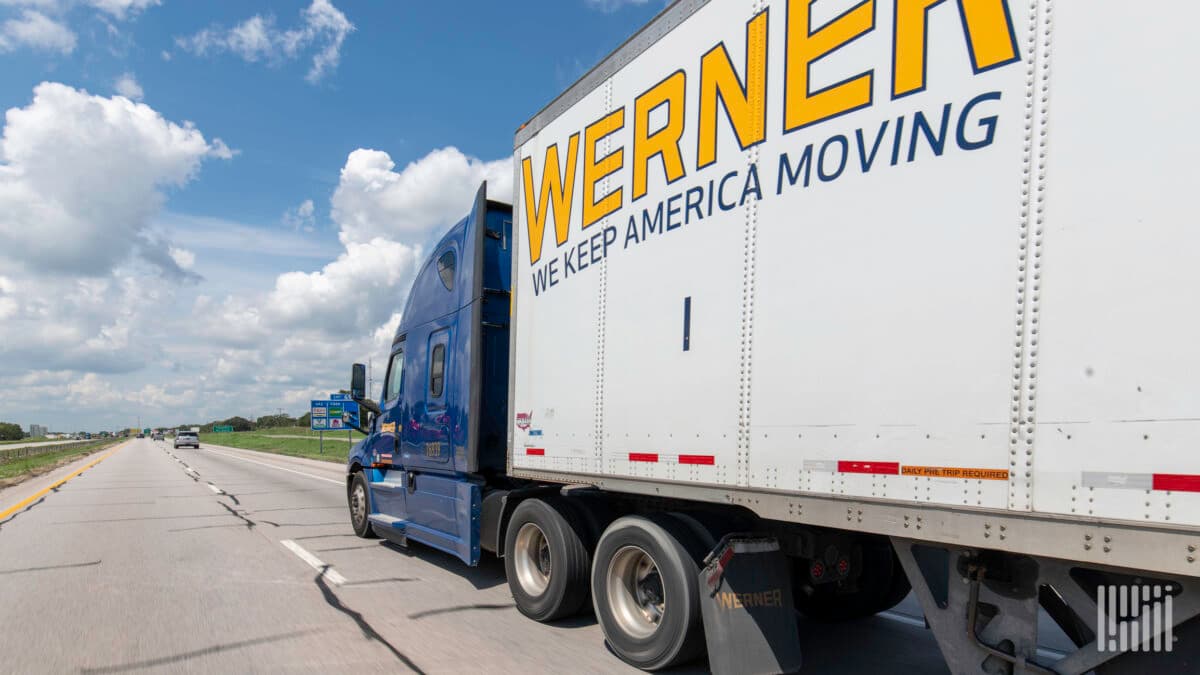
The recent earnings report from Werner Enterprises has unveiled a mix of challenges and opportunities, reflecting the intricacies that often come with financial disclosures.

UPS Revenue Declines by 2.7%: Navigating Trade Policy Changes
UPS reported a whopping $21.2 billion in revenue for the second quarter, which marked a notable dip of 2.7% compared to the same timeframe last year.

Managing the Growing Threat of Cargo Theft in Shipping
The issue of cargo theft is no longer just a minor inconvenience in the shipping industry; it has morphed into a major global concern.

Kentucky Secures $5.7 Million to Enhance Riverport Freight Handling
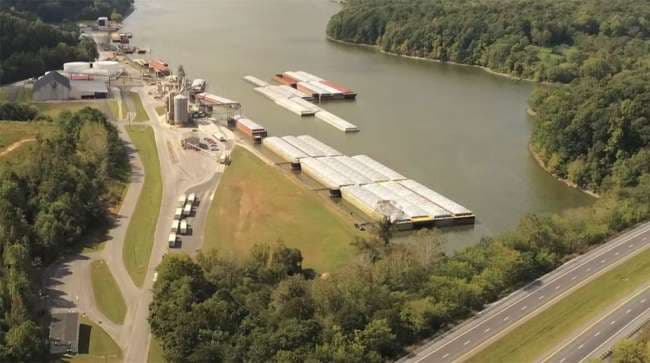
The state of Kentucky has achieved a significant milestone in enhancing its freight transportation capabilities with the announcement of $5.7 million in state grants aimed at expanding multimodal freight activities across fifteen public riverport projects.

EPA Moves to Repeal GHG Phase 3 Regulations, Supported by Trucking Associations
Overview of EPA's Repeal Proposal The U.S. Environmental Protection Agency (EPA) has proposed the repeal of the 2009 Endangerment Finding. This legal framework has been critical for justifying federal regulations on greenhouse gas (GHG) emissions. The repeal would rescind various mandates, including those related to electric vehicle (EV) standards and the now-defunct Phase 3 regulations for heavy-duty trucks. Support from Trucking Associations The American Trucking Associations (ATA) has publicly backed this proposal. They argue that the GHG Phase 3 regulations would have forced a transition to electric trucks that was both unfeasible and exorbitant. According to ATA president and CEO Chris

UPS Experiences Decline in Earnings Amid Tariff Pressures and Operational Changes
The logistics industry has recently seen shifting tides, particularly with UPS grappling with a noticeable decline in its package volume and earnings due to various external and internal challenges.

Gatik Launches Arena: A Game-Changing Simulation Platform for Autonomous Trucks
Gatik has recently rolled out its cutting-edge simulation platform, Arena, designed specifically for the evolution of autonomous vehicle technology.

Ocean Container Rate Trends as Shippers and Carriers Navigate Tariffs
As shippers and carriers navigate turbulent trade negotiations and impending tariff deadlines, ocean container rates on U.S.

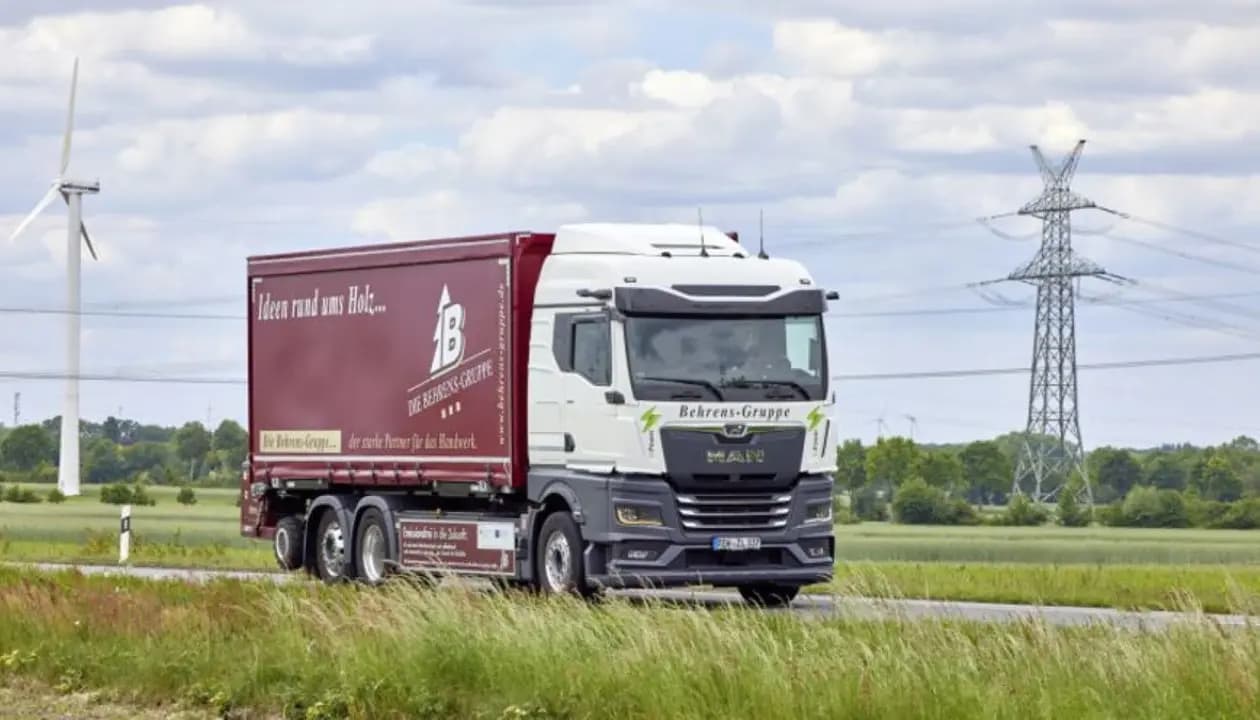
Milestones in Electric Trucking: The MAN eTGX Fleet's Journey
Electric Mobility in Heavy Transport The journey of electric mobility in heavy transport is gaining momentum. Recently, the MAN eTGX electric trucks have made an impressive dent in the logistics industry. These trucks have clocked over 50,000 kilometers in daily operations, proving their efficiency and reliability on the road. With a consumption rate of 80 to 90 kWh, these vehicles can achieve a daily range of up to 650 kilometers. Success in Daily Operations The first six out of twelve MAN eTGX fully electric trucks are already demonstrating their capabilities within Grupo Behrens. With zero local emissions and exceptional energy efficiency, they’re utilizing electric mobility to its

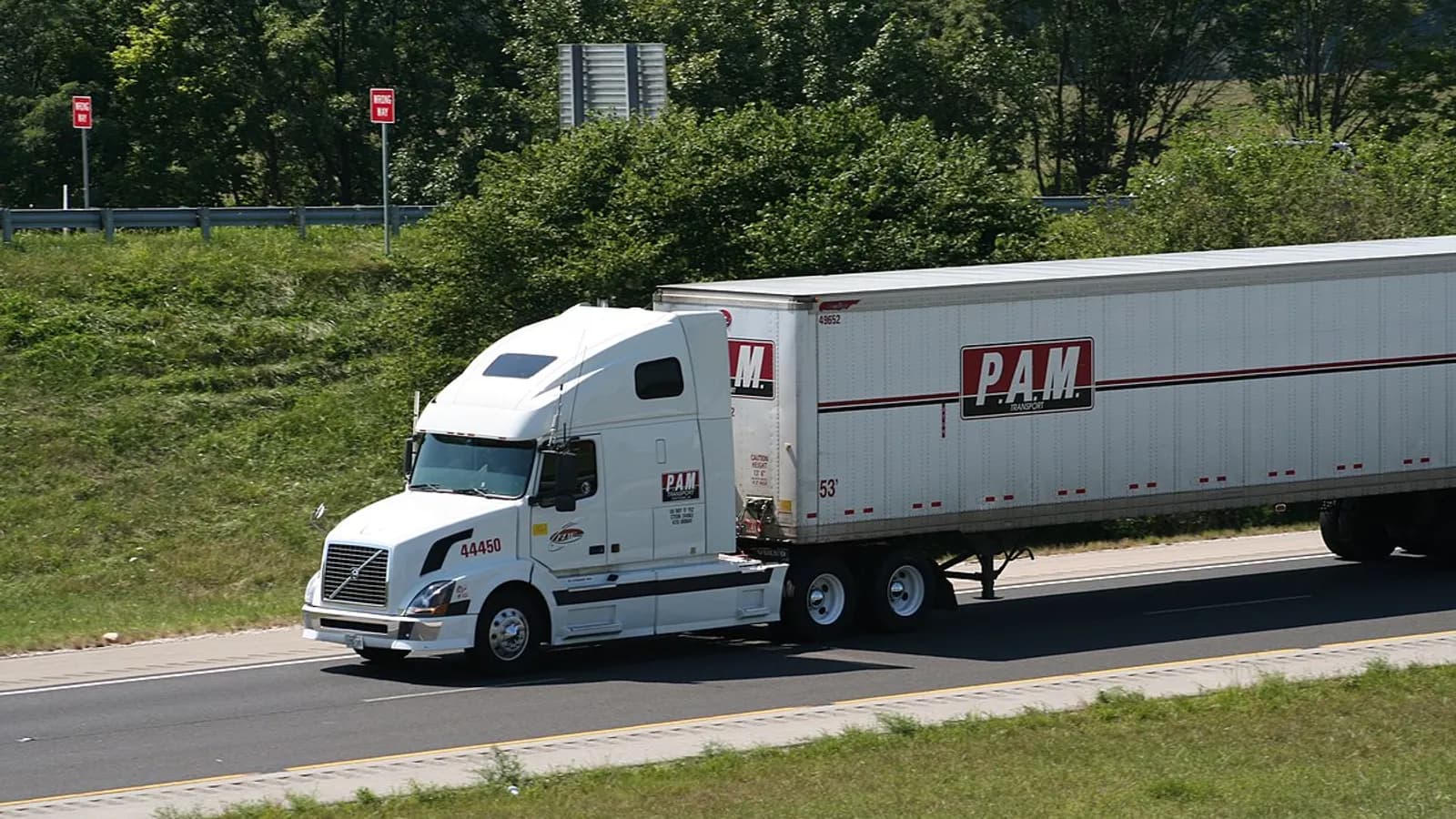
P.A.M. Transport Faces Continuing Financial Struggles Amid Steering Headwinds
P.A.M. Transport has made headlines with its recent financial performance, particularly following a challenging second quarter that saw the company buckle under the weight of operational losses. The situation sheds light on the volatile landscape of logistics and transportation, a crucial aspect of global commerce. Examining the Financial Outcomes In an earnings release, P.A.M. Transport's parent company disclosed an operating loss of $11.1 million for the second quarter, with a net loss totaling $9.6 million . This financial downturn marks the third consecutive quarter where losses were reported, following earlier hits of negative $37.7 million in the fourth quarter of 2025 and negative