Autor
James Miller se especializa en logística global y dinámicas de la cadena de suministro. Su trabajo de investigación explora las complejidades del comercio internacional, los desafíos de infraestructura y los avances tecnológicos que dan forma al comercio moderno. Aboga por prácticas sostenibles y transparencia en las operaciones de la cadena de suministro.

GLN Introduces Cutting-Edge Payment Platform: GLN CargoWALLET
The Global Logistics Network (GLN) has introduced GLN Pay, a groundbreaking payment solution specifically tailored for professionals in freight and logistics.

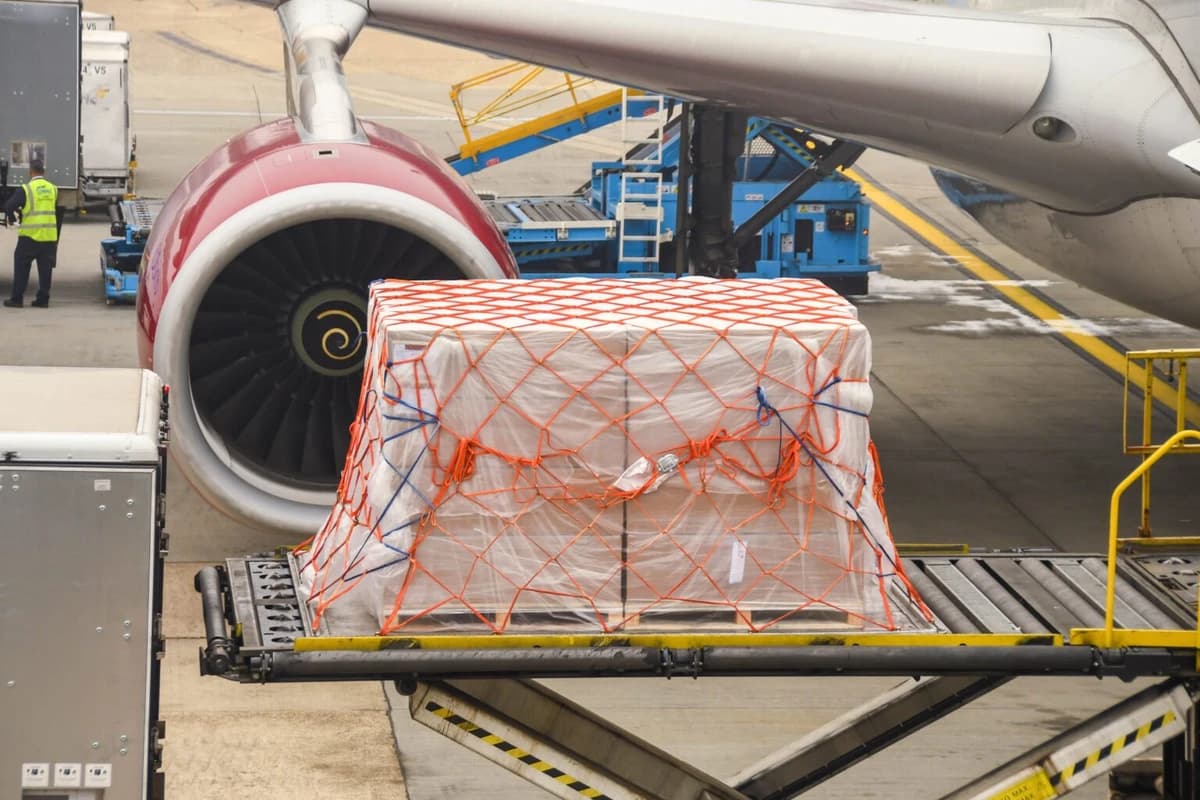
Healthc’Air: Pioneering Change in Pharmaceutical Air Logistics
The pharmaceutical logistics sector is currently undergoing a significant transformation with the introduction of a new entity known as Healthc’Air.

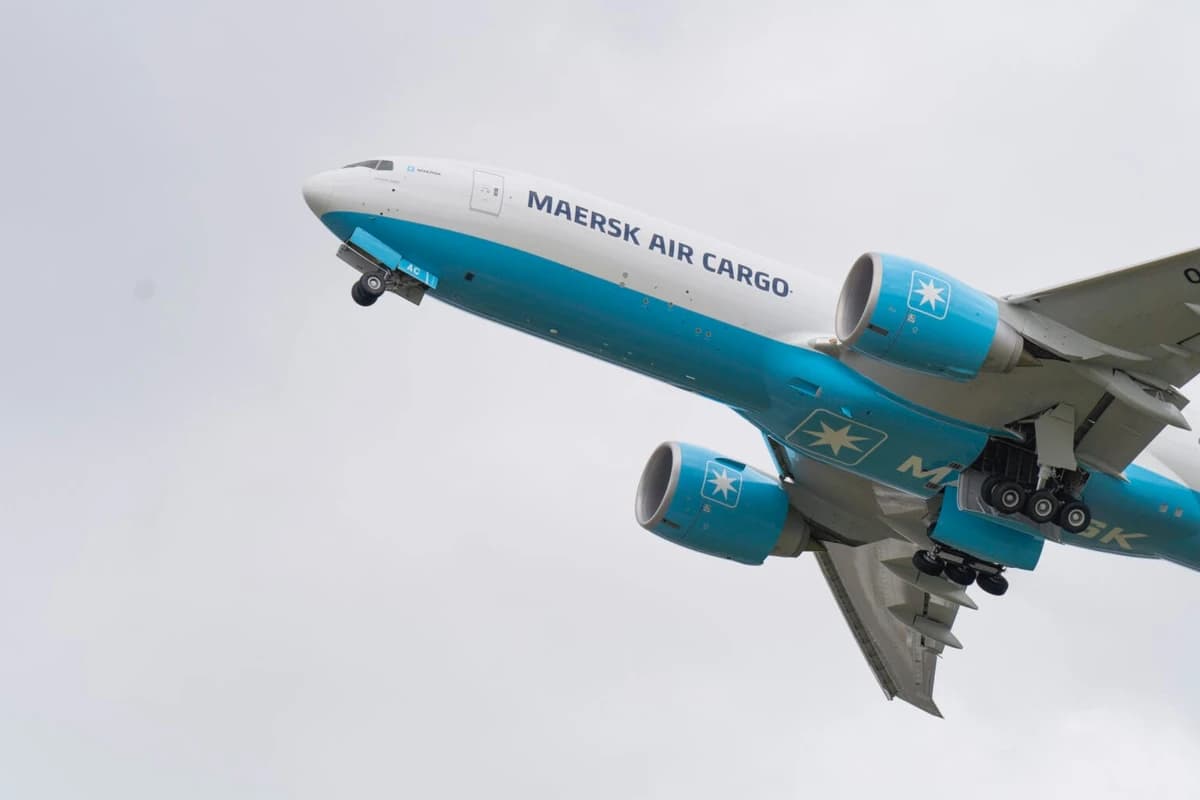
Navigating Airfreight Volatility: Insights from Maersk
Airfreight logistics today is more complex than ever, influenced by an array of factors such as conflicts, tariffs, weather disruptions, and regulatory changes.

Commemorating 30 Years of Kitty Liao’s Influence at Global GSA Group
The celebration of the 30th anniversary of Global GSA Group serves as a close look at the remarkable journey of its co-founder and Vice President, Kitty Liao.

Global Airfreight Rates Increase By 2% in June Amid Market Fluctuations
The airfreight market has seen a noticeable shift, with average worldwide rates rising by 2 percent in June.

Unipart Takes the Lead as the Premier Logistics Provider in the UK
Unipart has garnered a prestigious recognition by being named the leading logistics provider in the United Kingdom, brilliantly clinching the top position in the Chartered Institute of Logistics and Transport’s (CILT) highly-regarded annual Top 30 Logistics Providers list for 2025.

Walmart Launches Its First Case-Ready Beef Processing Facility
The newly operational case-ready beef facility sprawls over more than 300,000 square feet, making it a substantial addition to Walmart’s ongoing effort to enhance its supply chain.

Tax Law Brings Mixed Reactions from the Trucking Industry
A recently enacted tax bill has led to a mix of responses from various factions within the trucking industry.

New Reciprocal Tariffs Impacting Japan, South Korea, and Others Coming Soon
The U.S. government has unveiled its plans for new tariff rates on imports from selected countries, set to take effect on August 1. This announcement has significant ramifications for international trade, as it seeks to impose identical penalties across a range of nations, directly impacting the logistics and transport sectors. Details of the Tariff Implementation The recent communication from the U.S. authorities has made it clear that a series of tariff rates will be imposed following a previous 90-day pause on specific country-designed tariffs. This strategy raises the stakes for countries such as Japan, South Korea, and South Africa, as well as others like Algeria and the Philippines,

Effective Strategies to Enhance Profitability with Direct Load Boards in Freight Logistics
As the freight industry continues to evolve, direct load boards have emerged as a pivotal force, steering the focus away from broker-heavy systems.

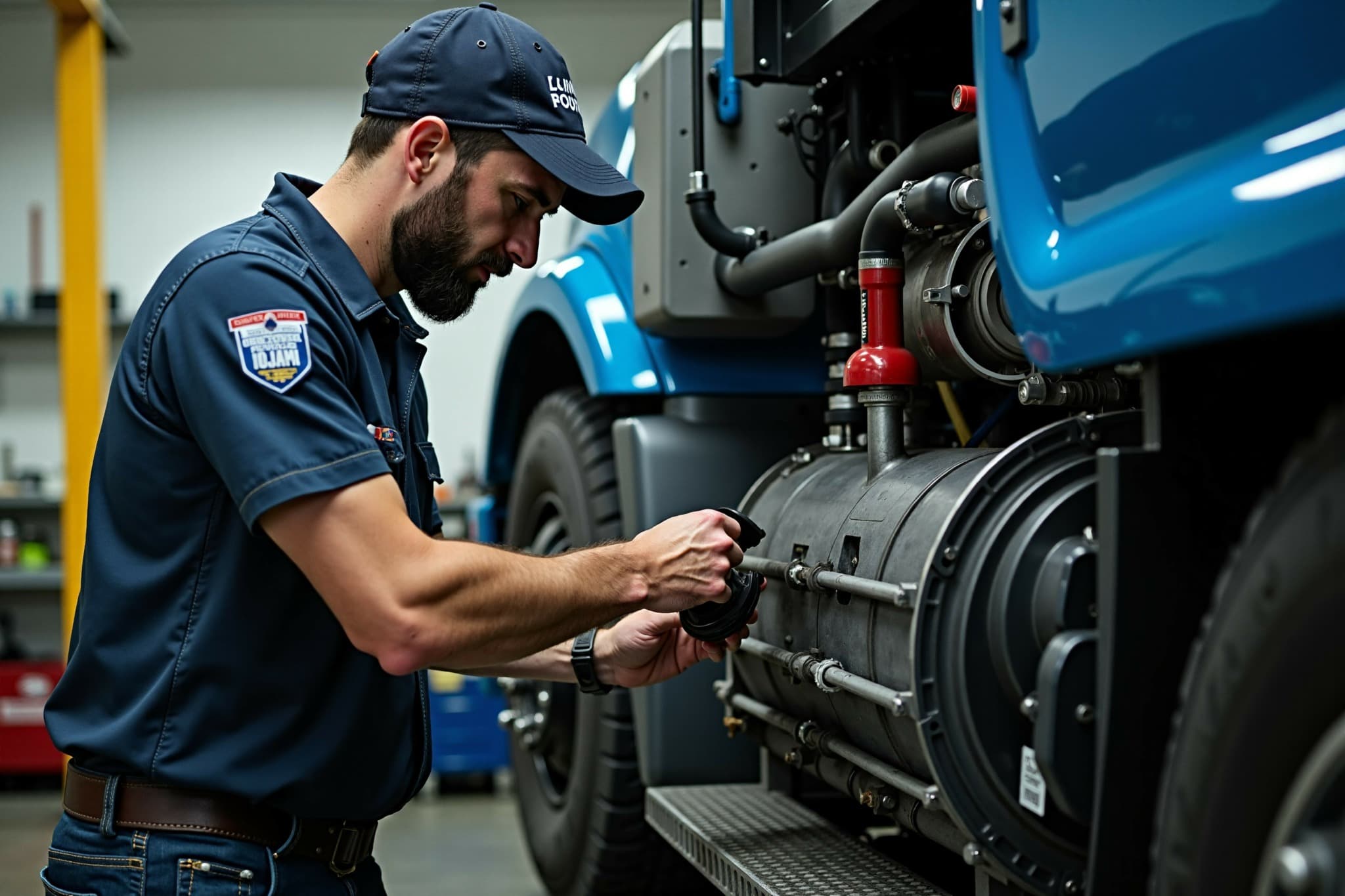
Improving Trucking Operations with a Specialized Repair Directory
In the trucking industry, efficient operations hinge on minimizing downtime. When a truck breaks down, whether lost on an obscure highway or waiting outside a distribution center, both drivers and fleet managers need quick solutions to get back on the road. Navigating through countless online listings can feel like finding a needle in a haystack, especially when trying to identify reliable repair services. This is where a dedicated truck repair directory tailored for the industry shines. A Centralized Resource for Truck Repairs Enter NTTRDirectory.com, a national online resource specifically focused on the needs of truck drivers and fleet operators. Unlike generic directories that lump

The Real Cost of Failed E-commerce Deliveries and Its Implications for Logistics
In today's demanding marketplace, every hiccup—be it a delay or a missed delivery—has a ripple effect that can burden operational costs, disrupt efficiency in the supply chain, and tarnish a brand's image.