


 Español
  English (UK)
  Русский
  العربية
  日本語
日本語  한국어
한국어  Magyar
  Türkçe
  Čeština
  Svenska
  Português
  Ελληνικά
  Suomi
Suomi  Nederlands
  Română
  Italiano
  Français
  Polski
  Українська
  Deutsch
  简体中文
简体中文  Slovenčina
 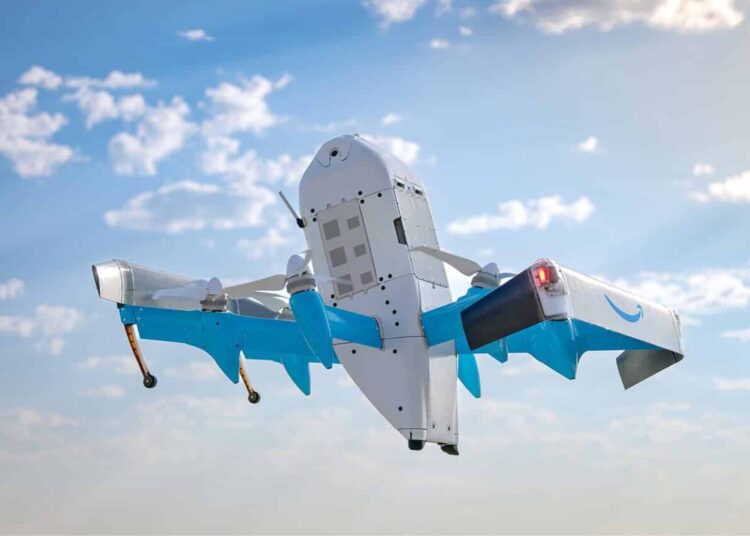 Grid Aero Launches Prototype of Autonomous Long-Range Cargo Aircraft">

Introducing the Future of Autonomous Cargo Aviation
A new chapter in cargo transportation has taken flight—literally. Grid Aero has completed the prototype of its Lifter-Lite, an autonomous cargo aircraft designed to carry heavy loads over vast distances, especially across oceans. This breakthrough marks significant progress toward reshaping how goods move in the skies, promising enhanced efficiency and reliability in long-haul air logistics.
What Sets the Lifter-Lite Apart?
The Lifter-Lite is built for missions that demand moving thousands of pounds over thousands of miles without human intervention. It’s geared specifically for long-range overwater missions, addressing a niche where traditional cargo aircraft encounter operational challenges and higher costs.
According to Arthur Dubois, co-founder and CEO of Grid Aero, this aircraft boasts the capacity to transport significant freight payloads in a fully autonomous manner, reducing reliance on onboard crews and potentially lowering operational expenses.
Key Features of Lifter-Lite
- Autonomía: The prototype is geared for pilotless flight, relying on advanced navigation systems and AI-driven controls to operate safely and efficiently.
- Capacidad de carga útil: Designed to haul several thousand pounds, suitable for bulky or heavy cargo that may challenge smaller UAVs.
- Rango: Capable of covering thousands of miles, making it ideal for crossing water bodies where refueling stops are impractical.
- Flexibilidad: Focus on cargo transport that can span diverse sectors – from delivering oversized industrial components to remote delivery points to supporting humanitarian logistics.
How This Progress Ties Into the Logistics World
From a logistics standpoint, autonomous cargo aircraft like the Lifter-Lite could be game-changers. The ability to operate continuously without crew rest periods means faster transit times and increased flight frequency. Sites hard-to-reach by traditional means, such as islands or offshore facilities, stand to benefit hugely. Plus, automation may help lower the total cost of ownership for operators, leading to cheaper freight services.
The Seed Funding That Propelled Innovation
Backing this ambitious venture, Grid Aero secured $6 million in seed funding, a vital financial boost helping finalize the prototype stage and prepare for testing phases. Seed backing often signals investor confidence in the disruptive potential of technology, giving a hint about where aviation logistics may be headed.
Why Investment Matters
Developing autonomous aircraft isn’t a walk in the park—extensive research, enhanced safety protocols, and rigorous flight testing are essential before commercial rollout. The initial funds are crucial for covering manufacturing costs, regulatory compliance efforts, and pilot testing, all of which ensure the technology is both safe and commercially viable.
What’s Next For Grid Aero and the Lifter-Lite?
With the prototype now complete, attention turns to trial flights and validation tests. These trials will put the aircraft through its paces, testing performance under various conditions and load configurations, paving the way to certification and operational deployment.
Once operational, the Lifter-Lite could plug into the evolving ecosystem of automated freight transport, dovetailing with ground-based logistics solutions to form seamless end-to-end deliveries.
Comparing Autonomous Cargo Aircraft to Traditional Options
| Aspecto | Traditional Cargo Aircraft | Lifter-Lite Autonomous Aircraft |
|---|---|---|
| Piloting | Requires trained crew onboard | Fully autonomous with AI-powered navigation |
| Gama | Limited by crew rest and refueling stops | Designed for long-range, non-stop overwater missions |
| Operating Costs | Higher, due to crew salaries and logistics | Potentially lower due to automation and efficiency |
| Payload Capacity | Varies widely, flexible for heavier loads | Optimized for several thousand pounds, especially bulky cargo |
| Seguridad | Dependence on human judgment, risk of fatigue | Advanced sensors and software reduce human error risks |
Why Autonomous Cargo Aircraft Are a Natural Fit for Modern Logistics
Picture this: a cargo shipment that once took days or weeks to coordinate with crew schedules and flight slots could become as simple as setting up an order online and letting the autonomous aircraft take flight without a hitch. This promises unprecedented agility in the supply chain, especially when rapid delivery is critical—think emergency relief or high-value manufacturing parts.
The Lifter-Lite’s capabilities could especially benefit logistics sectors managing large, bulky, or goods requiring special handling, reducing reliance on complex surface transport networks prone to congestion or delays.
Standing on the Shoulders of Innovation
Autonomous aviation is no longer a far-off dream but a fast-approaching reality. Grid Aero’s work is part of a larger wave of innovation blending robotics, AI, and aerospace engineering to rethink how freight moves globally. The expectation isn’t just to improve speed but to ensure sustainability, reliability, and cost-effectiveness in every shipment.
The Human Factor and Future Logistics
Despite glowing reviews and promising test results, the truest gauge of this technology’s value will come down to real-world application. Nothing beats hands-on experience when it comes to trusting new methods of transport. This is where platforms that offer transparent, reliable, and affordable cargo transport solutions earn their stripes—providing an easy way to test and integrate new logistics technologies with minimal risk or overhead.
GetTransport.com embodies this principle with its broad portfolio of transport services, from international freights and bulky item moves to house relocations and vehicle shipments. The platform’s versatility and well-priced options create a no-fuss entry point for shippers eager to explore innovative transport modes without breaking the bank or getting lost in complex logistics.
Reserva ahora con GetTransport.com para experimentar de primera mano cómo adoptar el futuro del transporte tiene sentido práctico!
Dando un Paso Atrás y Mirando Hacia el Futuro
Si bien el prototipo Lifter-Lite anuncia posibilidades emocionantes, su impacto directo en la logística global podría comenzar a pequeña escala. La tarea de integrar aeronaves de carga autónomas en el tráfico aéreo y los sistemas de transporte de mercancías existentes sigue siendo compleja y está fuertemente regulada. Sin embargo, la simple ambición y los avances tecnológicos encarnados por este proyecto sugieren cambios inminentes en cómo los transitarios de carga y los proveedores de logística podrían operar dentro de la próxima década.
Para las plataformas y proveedores de logística, mantenerse bien informado y preparado para adaptarse es clave. Incorporar soluciones de transporte autónomo puede mejorar las velocidades de entrega, reducir los costos de transporte de larga distancia y abrir nuevos mercados, transformando lo que antes era ciencia ficción en activos comerciales tangibles. Empiece a planificar su próxima entrega y asegure su carga con GetTransport.com.
Cierre: Automatización y logística al mando
Grid Aero’s Lifter-Lite marca un hito significativo en el desarrollo de aeronaves de carga autónomas diseñadas para el transporte de cargas pesadas a larga distancia. Con $6 millones en financiación inicial que impulsa esta innovación, el prototipo está preparado para someterse a pruebas rigurosas destinadas a demostrar la viabilidad del transporte aéreo automatizado a través de rutas desafiantes. Este avance se alinea estrechamente con las demandas cambiantes en logística, donde la velocidad, la eficiencia de costes y la adaptabilidad son primordiales.
El envío global, los servicios de mensajería, el transporte de mercancías y la entrega de cargas pesadas se beneficiarán de estos avances, ya que los aviones autónomos podrían reducir los tiempos de tránsito y los costos operativos. Plataformas como GetTransport.com están listas como socios logísticos que entienden estas dinámicas, ofreciendo una amplia gama de soluciones de envío y mudanzas internacionales asequibles, desde paquetes y palés hasta envíos voluminosos y complejos.
Al adoptar estas nuevas tecnologías, la industria de la logística puede esperar lograr redes de envío más inteligentes, rápidas y confiables en todo el mundo, allanando el camino hacia un futuro donde la automatización se convierta en una parte integral de los sistemas globales de transporte de mercancías y distribución.