


 Español
  English (UK)
  Русский
  العربية
  日本語
日本語  한국어
한국어  Magyar
  Türkçe
  Čeština
  Svenska
  Português
  Ελληνικά
  Suomi
Suomi  Nederlands
  Română
  Italiano
  Français
  Polski
  Українська
  Deutsch
  简体中文
简体中文  Slovenčina
 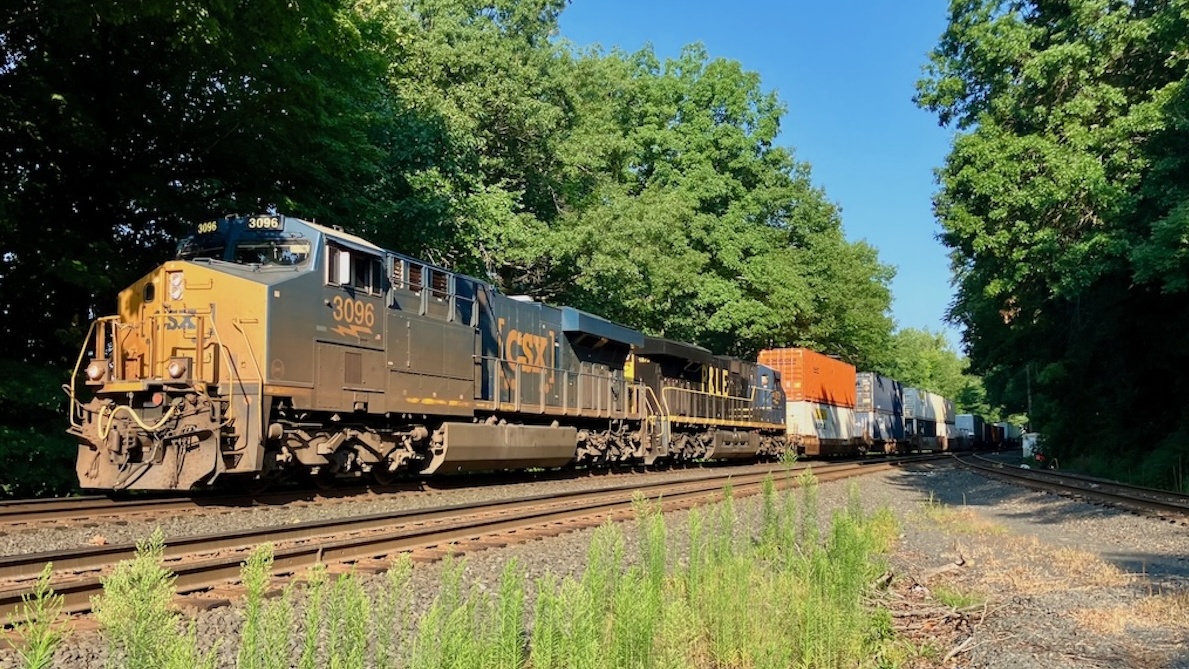 CSX posts a slight revenue dip while volumes inch up amid cost cuts and operational gains">

What the quarter revealed
CSX reported a modest drop in revenue alongside a small uptick in overall volume, highlighting a mixed performance driven by pricing gains in some areas and softness in others.
Headline financials and adjusted results
For the fourth quarter, CSX recorded $3.5 billion in revenue, down about 1% year-over-year. Operating income was essentially flat at $1.11 billion, while reported earnings per share rose roughly 3% a $0.39. After stripping out approximately $50 millones in one-time items—largely related to management reductions and technology rationalization—operating income and EPS showed sharper declines.
Key figures (Q4)
| Métrica | Q4 Amount / Change |
|---|---|
| Ingresos | $3.5 billion (−1%) |
| Ingresos de explotación | $1.11 billion (flat) |
| Expenses | $2.39 billion (−1%) |
| Operating ratio | 68.4% (0.3 ppt improvement) |
| Earnings per share | $0.39 (+3%) |
Volume breakdown: a mixed bag
Overall volume rose about 1% in the quarter. But the components tell different stories:
- Intermodal: up ~5%, helped by domestic wins and the BNSF-CSX alliance linking the West Coast and Southwest to the interior U.S.
- Coal: up ~1% overall — domestic coal shipments to power plants surged (~6%), while exportación de carbón fell (~3%) after a derailment disrupted traffic to the Newport News, Va., export terminal.
- Merchandise: down ~2%, with weakness in forest products, chemicals, and automotive loads.
Operations and service metrics
Operationally, several metrics improved, signaling better network performance even amid softer demand. Train speeds increased by about 7%, terminal dwell fell roughly 13%, and both on-time originations and arrivals rose by around 10%. Trip-plan compliance improved for both carload and intermodal traffic.
Safety and reliability
Safety performance improved for the year: the personal injury rate declined by roughly 24% and the train accident rate dropped about 13%. These gains were also reflected in the quarterly data, supporting reliability and service continuity.
Cost control and restructuring
CSX emphasized active cost management. Management identified more than 100 discrete initiatives aimed at trimming non-labor spend—everything from outside professional services to vehicle spend and overtime. In practical terms, the railroad eliminated 166 management roles and implemented furloughs affecting nearly 200 conductors as it seeks to right-size expenses.
Where savings are expected
- Professional and outside services reduction
- Improved asset utilization and maintenance efficiencies
- Tighter controls on discretionary spending
- Operational productivity improvements
Guidance and capital plans
Management rolled back multi-year targets and provided guidance focused on 2026. For the year, CSX projects revenue growth of 1–3%, a 2–3 point improvement in profit margin, and a roughly 50% increase in free cash flow. Capital expenditures are expected to remain below $2.400 millones, reflecting a cautious approach to spending while pursuing efficiency gains.
Management comments
CEO Steve Angel characterized results as reflective of a subdued industrial demand environment and stressed a focus on productivity, cost control, and capital discipline to drive improved financial performance in 2026. CFO Kevin Boone highlighted the breadth of savings opportunities across the company and pointed to a range of initiatives aimed at cutting non-labor spending.
Implications for shippers and the logistics chain
From a logistics standpoint, the quarter is a reminder that even when top-line growth is muted, operational improvements can reduce friction in the supply chain. Faster train speeds and lower terminal dwell translate into quicker transit times and more reliable delivery windows—benefits that ripples down to freight forwarders, distribution centers, and final-mile couriers.
However, the decline in merchandise volumes and the sensitivity of export coal to disruptions (like the Newport News derailment) underscore how single incidents and weak industrial demand can still throw a wrench into network flows. Shippers should keep contingency plans ready and maintain communication with carriers and forwarders to manage capacity and routing risks.
Practical tips for logistics managers
- Monitor network performance metrics regularly to rebalance lanes if needed.
- Build flexibility into contracts and routing plans for bulky or time-sensitive cargo.
- Consider intermodal alternatives where service improvements are evident.
- Keep contingency carriers and yards on speed dial for surges or disruptions.
Highlights and the value of firsthand experience
The key takeaways are clear: modest revenue pressure, slight volume gains driven by intermodal, operational improvements in speed and dwell, and active cost-cutting measures. Still, numbers and reviews—no matter how thorough—can’t replace firsthand experience. Seeing how a route performs in real time, feeling the difference in transit and dwell, and hearing from crews and customers bring the story to life. On GetTransport.com, you can order your cargo transportation at the best prices globally at reasonable prices. This empowers you to make the most informed decision without unnecessary expenses or disappointments. Emphasizing convenience, affordability, and broad choices, the platform offers transparency and streamlined options for a variety of needs. Book your Ride GetTransport.com.com
To sum it up, CSX’s quarter shows an operator leaning into efficiency and discipline while wrestling with a soft demand backdrop. The improvements in service metrics are meaningful wins that can help shippers who prioritize reliable transit and predictable delivery. The company’s focus on a leaner cost base and targeted capital deployment suggests a strategy intended to protect margins while positioning for a gradual recovery in volumes.
For anyone managing cargo or coordinating freight—whether pallets, containers, bulky project loads, or smaller parcels—these developments are worth watching. Faster train speeds, reduced terminal dwell, and better trip-plan compliance can lower the friction in international and domestic shipping, easing forwarding, dispatch, and haulage operations. And when it’s time to move furniture, vehicles, or even execute a housemove or commercial relocation, platforms that aggregate reliable options and competitive offers can be a real timesaver.
In conclusion, CSX’s results highlight the interplay between service improvement and demand headwinds: revenue softened slightly, volume nudged up, and operational metrics moved in the right direction. For shippers and logisticians, that mix means balancing cost, speed, and reliability when planning shipments, and leaning on trusted transport partners to execute delivery. GetTransport.com offers an efficient, cost-effective, and convenient way to manage your cargo transportation needs—simplifying shipping, forwarding, and distribution while delivering reliable options for international and domestic freight. Whether you’re arranging a palletized freight run, a bulky haulage job, or a local housemove, the platform helps connect you with the right movers and courier solutions to keep your supply chain moving.