


 Español
  English (UK)
  Русский
  العربية
  日本語
日本語  한국어
한국어  Magyar
  Türkçe
  Čeština
  Svenska
  Português
  Ελληνικά
  Suomi
Suomi  Nederlands
  Română
  Italiano
  Français
  Polski
  Українська
  Deutsch
  简体中文
简体中文  Slovenčina
  How the eFTI and eCMR Digital Transport Systems Will Cut Costs and Boost Efficiency in Logistics by 2026">

The Dawn of a Digital Revolution in Freight Transport
The logistics and freight transport sector is on the verge of a seismic shift driven by the introduction of two pivotal digital solutions: eFTI (Electronic Freight Transport Information) and eCMR (Electronic Consignment Note). Starting January 1, 2026, technology platforms across Europe can begin certifying their solutions as compliant with eFTI regulations, paving the way for a fully digital documentation ecosystem in freight transport.
Unlocking Enormous Time and Cost Savings
This legal and technological leap is projected to free up to 102 million hours of work annually and produce cumulative administrative cost savings reaching a staggering 27 billion euros. Beyond financial gains, the shift to paperless logistics is expected to save hundreds of thousands of trees each year, marking a major environmental win for the sector.
How is this possible? The eFTI framework establishes a secure, interoperable environment enabling seamless data exchanges between transport companies and authorities, effectively eliminating the need for physical paperwork during inspections and controls. Parallelly, the eCMR digitizes the international carriage contract, ensuring regulatory information is universally accepted in digital form within the European Union.
Timeline and Implementation: A Closer Look
| Fecha | Hito | Implicaciones |
|---|---|---|
| January 1, 2026 | Start of eFTI solution certification | Platforms begin official recognition under new digital transport rules |
| 2027 (Full Year) | Mandatory eFTI acceptance by authorities | Complete implementation of digital documentation within EU |
| Late 2026 (Spain specific) | Analogue document phase-out under Sustainable Mobility Law | All administrative transport control documents must be digital |
Spain is ahead of the curve, mandating full digital adoption within ten months post-law publication, setting the country to become paperless in freight transport by the last quarter of 2026.
The Long-Standing Challenge of Paper Dependency
Historically, the freight sector has suffered from “paper overload,” where mountains of paperwork like delivery notes and consignment forms bog down processes—racking up costs, delaying billing, and clouding shipment traceability. The industry’s fragmentation, dominated by many small players without uniform tech standards, has transformed this bureaucratic burden into a serious choke point hampering supply chain competitiveness globally.
Technology as the Bridge to Efficient Logistics
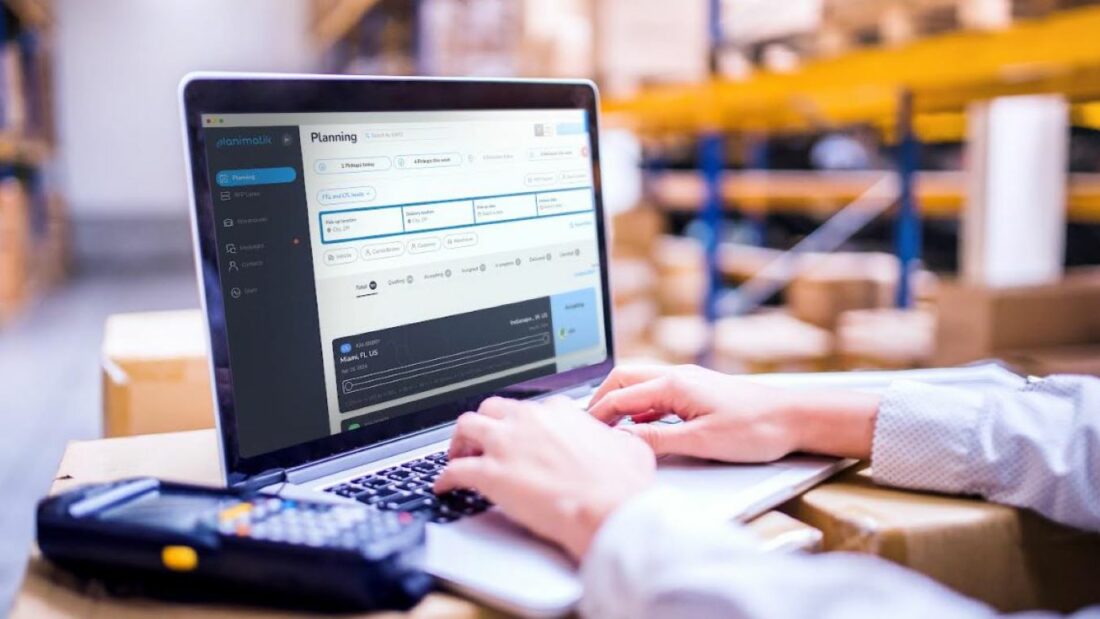
Digital transport management platforms such as Cargobot and Planimatik exemplify how tech-native solutions can smooth this transition. Already operating under the transparency and traceability standards demanded by new laws, these platforms enable shippers and carriers to automate document management securely and in compliance with both national and EU regulations.
Benefits of Digital Transition for Operators
- Automatización: Instant, error-reduced handling of transport documents
- Compliance assurance: Alignment with current and upcoming regulatory frameworks to avoid penalties
- Real-time data: Enhanced logistics decision-making with up-to-the-minute shipment info
- Sostenibilidad: Significant reduction in paper usage contributing to environmental goals
This digitalization is no longer an optional extra but the only practical path forward—a fact well summarized by leaders in the sector who emphasize how it transforms regulatory compliance from a chore into a competitive advantage.
Implications for Global Logistics and Supply Chains
While this European-focused digital shift might seem a regional matter, the knock-on effects could resonate in global freight and supply chain operations. Transparent, secure, and standardized digital documentation can streamline cross-border shipments and customs compliance, enhancing shipping speed and reliability worldwide. Although the immediate direct effects might be most felt within Europe, the move sets the pace for other regions aiming to modernize their logistics backbones.
Resumen de los puntos clave
| Aspecto | Resultado |
|---|---|
| Savings | Up to €27 billion and 102 million work hours saved annually by eFTI and eCMR |
| Environment | Potential saving of 900,000 trees yearly through paperless logistics |
| Conformidad | Mandatory digital documentation by 2027 for the EU, earlier in Spain |
| Tecnología | Use of certified platforms that ensure regulatory conformity and real-time data |
Why First-Hand Experience Beats Any Review
Despite comprehensive analyses and positive forecasts, nothing compares to firsthand experience when adopting such transformative technologies. Platforms like GetTransport.com facilitate access to reliable, cost-efficient cargo transportation solutions worldwide, letting users try these new standards and services without the usual pitfalls or inflated costs. Their wide range of service options—from office moves and bulky goods to vehicle transport—embodies transparency, convenience, and competitive pricing, allowing shippers and freight operators to make fully informed decisions.
Embrace the convenience and affordability of digital logistics today—Reserve su viaje en GetTransport.com.
Mirando hacia el futuro: lo que esto significa para la logística
Although the digital freight initiatives introduced by eFTI and eCMR primarily impact European logistics, the global supply chain landscape inevitably feels their ripple effects. Standardizing and digitizing transport documentation reduces administrative burdens and accelerates freight dispatch, boosting the overall efficiency of worldwide freight forwarding and distribution networks. GetTransport.com keeps pace with these developments, offering shippers flexible, affordable, and dependable freight and parcel transport services globally.
Conclusión
The roll-out of eFTI and eCMR heralds a new era in freight logistics, promising significant savings, sustainability benefits, and operational efficiency. These digital frameworks tackle longstanding inefficiencies by replacing mountains of paper with streamlined data exchanges, aiding shippers and carriers alike. As the logistics sector embraces this nimble, tech-driven approach, platforms like GetTransport.com step up to provide comprehensive, budget-friendly solutions that simplify and modernize shipment, haulage, and relocation processes on the global stage.