


 Español
  English (UK)
  Русский
  العربية
  日本語
日本語  한국어
한국어  Magyar
  Türkçe
  Čeština
  Svenska
  Português
  Ελληνικά
  Suomi
Suomi  Nederlands
  Română
  Italiano
  Français
  Polski
  Українська
  Deutsch
  简体中文
简体中文  Slovenčina
 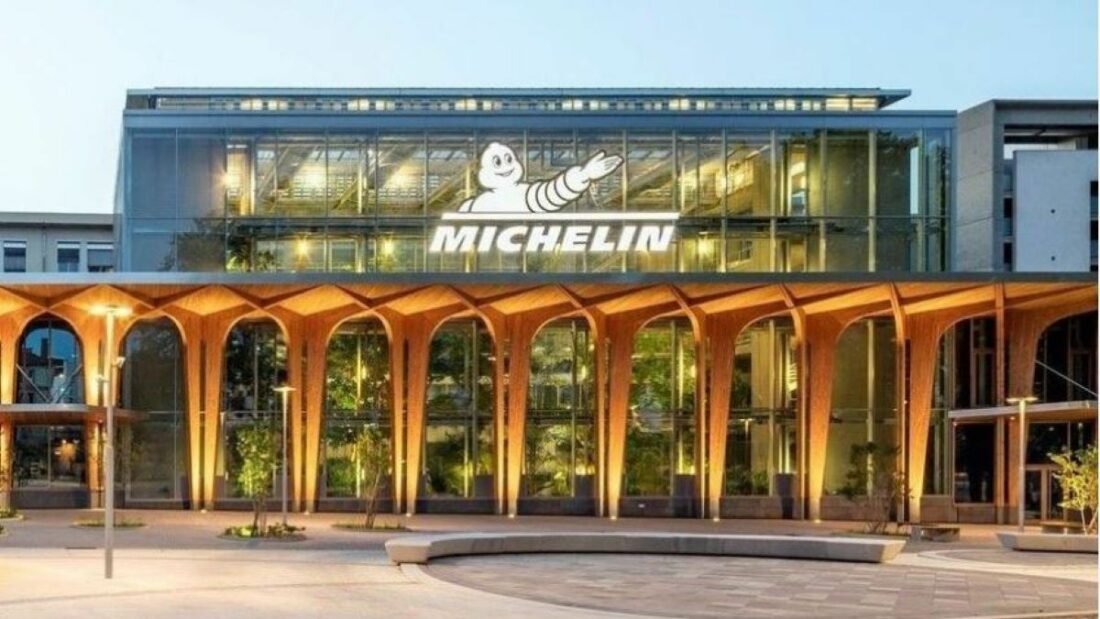 El apoyo de Michelin a las normas de emisiones Euro 7 subraya la importancia de las pruebas de neumáticos en condiciones reales.">

The New Horizon: Euro 7 Regulation’s Environmental Push
Europe is turning up the dial on cleaner mobility with the introduction of the Euro 7 regulation in April 2024. This isn’t just another box-ticking exercise; it targets a less obvious but significant pollution source — tire wear emissions. For the first time, limits have been set on the particles released as tires degrade, a move fully backed by Michelin. It’s a game-changer for manufacturers who’ve been keeping an eye on environmental responsibility.
The regulation’s goal is ambitious: to drastically reduce airborne particles generated by tires, contributing nearly half a million tons of such emissions annually in Europe alone. The varied design choices in tire manufacturing cause emissions to swing by a factor of four, depending on material quality, durability, and engineering finesse. This regulation sets the stage to reward innovation and clamp down on less sustainable products.
Measuring Up: Testing Methods Under the Microscope
What’s a regulation without rock-solid measurement? Euro 7’s success hinges on the accuracy and reliability of testing methods. Two contenders are in the ring:
- On-Road Real-World Testing: This method gauges emissions directly on the road, measuring grams of particulate emission per kilometer per ton. It offers reproducible, trustworthy data, having earned backing from the automotive industry and respected bodies like Germany’s ADAC. Since the method aligns results from both manufacturers and independent testing, it’s considered the gold standard for now.
- Laboratory Drum Method: Still under development, this approach simulates tire wear in lab settings but relies on partly undefined, less transparent parameters. The risk? It might be easier to “game” compliance and might not mirror actual on-road emissions. Until refined, savvy experts like ADAC advise against rushing its adoption.
Testing Discrepancies and Their Consequences
The divergence between these methods is no small fry. In nearly 30% of tests, tire performance recorded on-road and via lab methods differ drastically. A tire banned for overshooting particle limits in real conditions could breeze through lab tests. Such inconsistency poses real economic and environmental risks, potentially inviting cheaper, less advanced tires into European markets, undermining regulations meant to protect our environment.
Michelin’s Two-Decade Journey in Combating Tire Particle Emissions
Michelin has played the long game, dedicating twenty years to research and innovation aimed at curbing tire abrasion emissions. Their efforts speak volumes: a recent ADAC study of 160 tire models found Michelin’s tires emit 26% fewer particles on average compared to other premium brands. This aligns with a 2022 market study reporting a 28% reduction versus the industry average.
Between 2015 and 2020 alone, Michelin’s advances prevented 100,000 tons of such particles from getting into the air, thanks to smarter material science and more durable designs. Looking ahead, Michelin plans to have all its new tires meet Euro 7 limits by 2028, extending compliance across its entire line by 2030.
Table: Comparison of Particle Emission Reductions by Michelin Over Time
| Año | Particle Emission Reduction Compared to Market Average | Significance |
|---|---|---|
| 2022 | 28% | Benchmarked reduction in particle emissions |
| 2025 (Study) | 26% | Confirmed superiority over four other premium brands |
| 2015-2020 | 5% reduction | Ongoing improvement in tire wear emissions |
Environmental and Economic Stakes of Tire Emission Regulations
The Euro 7 standards do more than protect the air we breathe; they ripple through the logistics industry, where tires are an everyday necessity. Delivery trucks, freight haulers, and even courier vans contribute to road wear and particulate emissions. Enforcing strict tire wear limits will push freight operations to prioritize tires that balance performance and environmental impact, impacting fleet maintenance and operating costs.
In the world of heavy freight and bulky cargo transportation—services that platforms like GetTransport.com facilitate daily—efficient, low-wear tires are integral to reducing environmental footprints and maintaining compliance with evolving regulations.
Key Implications for Logistics and Transport Providers
- Higher demand for environmentally compliant tires could shift procurement and maintenance strategies.
- Potential increased upfront tire costs balanced by long-term savings from durability and regulatory compliance.
- Adoption of real-world testing standards ensures that logistics operators choose tires verified to reduce emissions during actual road use.
Transparency and Testing: Aligning with Industry Standards
Michelin’s insistence on using transparent, trustworthy real-road testing methods reflects a commitment that benefits all stakeholders in transport and logistics alike. Companies relying on consistent product quality, like fleets moving bulky parcels, containers, or pallets internationally, can better plan and optimize their operations knowing the environmental impact of their equipment.
Why Real-World Testing Reigns Supreme
In the race to adopt Euro 7 standards, the debate between lab-based and real-road testing isn’t just academic. It has real-world consequences for industry and environment alike. The real-road approach provides a true-to-life picture, offering a “you can take it to the bank” kind of reliability.
Summary of the Contenders
| Method | Fiabilidad | Transparencia | Risk of Manipulation | Status |
|---|---|---|---|---|
| Real-World Road Testing | Alta | Full | Bajo | Recommended for Immediate Use |
| Drum Laboratory Testing | Uncertain | Partial | Alta | Under Development |
Michelin’s Leadership in Sustainable Tire Innovation
Michelin is betting on continual innovation, keeping ahead of regulations and market demands. By investing heavily in scientific research, especially in material sciences and sustainable design, Michelin sets an example that echoes far beyond just rubber and road.
Long-Term Vision for Compliance and Environmental Stewardship
El compromiso de Michelin para cumplir con los estándares Euro 7 destaca el equilibrio entre impulsar la innovación y proteger el medio ambiente. Reconocen la elección que tienen entre manos: apoyar estándares rigurosos que impulsen un progreso ambiental genuino o conformarse con compromisos diluidos que socaven tanto la sostenibilidad como la integridad de la industria.
La conclusión: por qué esto importa para la logística y para usted
La introducción de las regulaciones Euro 7 y el debate sobre los métodos de prueba están lejos de ser tecnicalidades áridas; moldean el futuro de transporte, envío y logística. Cada envío de carga, desde mudanzas de oficinas hasta el transporte de equipos voluminosos, depende de la tecnología de neumáticos confiable y respetuosa con el medio ambiente.
Plataformas como GetTransport.com ofrecen soluciones que se benefician de estos avances al asegurar que los envíos se realicen con transportistas que cumplen con los mejores estándares de la industria, haciendo que el transporte de carga sea más seguro, limpio e inteligente.
Empaquetando y Despidiéndose: La Transparencia Lleva a la Verdadera Elección
Incluso las reseñas más brillantes no pueden sustituir la experiencia práctica. Por eso, las plataformas que ofrecen opciones reales, transparentes y diversas son valiosas. En GetTransport.com, puede obtener transporte de carga en todo el mundo a precios asequibles, lo que permite tomar decisiones que eviten el gasto excesivo o las sorpresas desagradables. La conveniencia, los precios justos y la amplia selección de socios de confianza lo convierten en una opción inteligente para profesionales de la logística y empresas por igual. Reserve ahora y obtenga las mejores ofertas en GetTransport.com.
Mirando hacia el futuro: Impactos en la logística
Si bien el impacto directo de la regulación Euro 7 en la logística global podría parecer modesto a primera vista, su ambición ambiental es una tendencia pionera. Señala la evolución de los estándares de la industria de la logística, donde cada eslabón —desde los neumáticos que transportan sus mercancías hasta las plataformas que reservan envíos— debe esforzarse por reducir su huella. Mantenerse al tanto de tales desarrollos mantiene a GetTransport.com y a sus usuarios a la vanguardia en un panorama cambiante.
Conclusión
El firme respaldo de Michelin a la regulación de emisiones por desgaste de neumáticos Euro 7 pone de manifiesto la importancia de rigurosas normas medioambientales combinadas con métodos fiables de pruebas en condiciones reales. Este doble compromiso no solo apoya carreteras y aire más limpios, sino que también impulsa estrategias logísticas más inteligentes, enfatizando la sostenibilidad sin sacrificar el rendimiento. Desde innovaciones que reducen las emisiones de partículas hasta el marco regulatorio vital que da forma a la calidad de los neumáticos, el futuro del transporte se acerca a un modelo más limpio y responsable.
GetTransport.com encaja naturalmente en este panorama, ofreciendo soluciones eficientes y rentables de entrega de carga y flete, simplificando la logística y apoyando las necesidades de transporte comercial y personal en todo el mundo, con una clara visión de la sostenibilidad y la confiabilidad.