


 Español
  English (UK)
  Русский
  العربية
  日本語
日本語  한국어
한국어  Magyar
  Türkçe
  Čeština
  Svenska
  Português
  Ελληνικά
  Suomi
Suomi  Nederlands
  Română
  Italiano
  Français
  Polski
  Українська
  Deutsch
  简体中文
简体中文  Slovenčina
  Key Mistakes to Avoid in Transloading and Their Effects on Freight Transport">

At first glance, transloading might look like a straightforward process: containers arrive, cargo is unloaded, and then reloaded onto another mode of transport. But, if only things were that tidy! The reality is a complex dance involving swift decisions, the right equipment, precise coordination, and clear communication. Even minor slip-ups along the way can snowball into significant delays, damage, extra costs, and dissatisfied customers.
Understanding the Equipment Mismatch
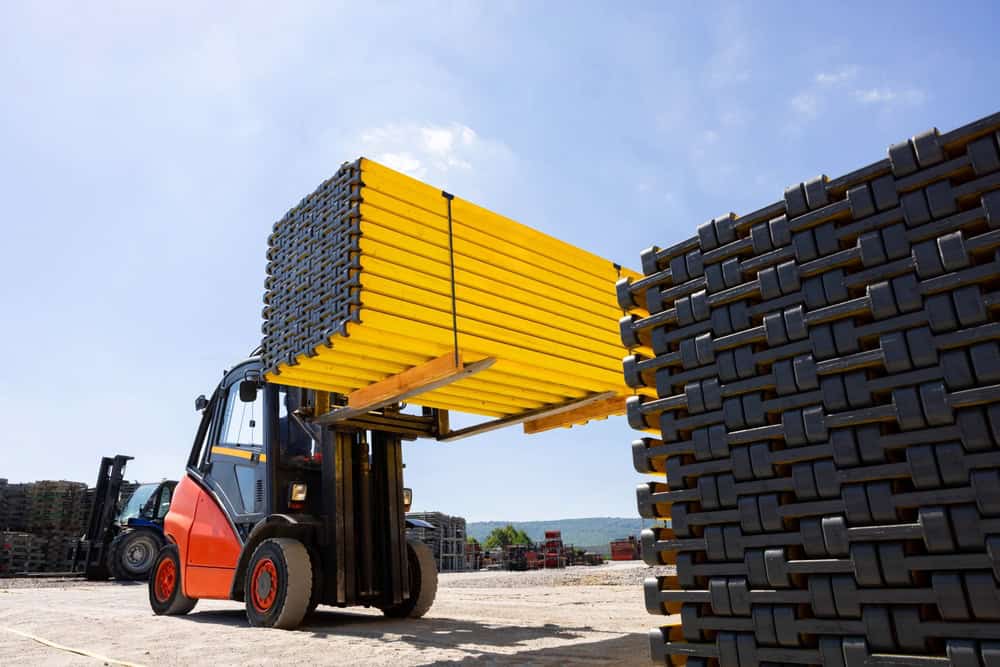
One of the biggest headaches in transloading stems from using incompatible equipment. Picture this: forklift attachments that don’t fit, pallets that are too wide, or misjudgments in cargo height. A pallet that “just barely fits” can turn into a massive time-suck as everyone scrambles to make adjustments. Sometimes, this results in pallets collapsing mid-transit, which triggers damage claims, insurance headaches, and inevitable downtime.
Why Packaging and Pallet Stability Matter
Transloading is not just moving goods from point A to B—it’s a hands-on, physical process. Cargo gets lifted, shifted, and transferred multiple times. If packaging is weak, wrapping too loose, or pallets precariously stacked, the chances are high for things to come crashing down. Aside from the obvious risk of damaged goods, this causes additional labor, delays, and frustration at every step.
Takeaway Table: Packaging vs. Risks
| Packaging Condition | Likely Outcome |
|---|---|
| Strong wrapping and stable pallets | Smooth handling and reduced damages |
| Weak wrapping and unstable pallets | Damage during transit, longer handling times, increased costs |
The Domino Effect of Labeling and Documentation Errors
When things move fast, sometimes paperwork gets tangled. A single wrong label can send cargo off to the wrong truck, or worse, the wrong city. Such mix-ups add unnecessary steps like returns and reroutes, inflating costs and leaving customers less than happy. In logistics, clarity is king, and errors here ripple across the entire shipment chain.
Timing and Mode Coordination: The Triple Threat
Successful transloading relies heavily on synchronizing three critical components: vessel estimated time of arrival (ETA), truck arrivals, and warehouse shift schedules. If these elements drift apart, chaos ensues. Trucks might wait—incurring fees, cargo could sit longer in storage than planned, and deadlines get missed, delaying shipments downstream.
Impacts of Poor Coordination
- Waiting fees for trucking companies
- Increased storage costs in freight yards
- Missed delivery cut-offs causing downstream delays
The Role of Skilled, Well-Briefed Staff
Handling cargo without fully understanding its nature is like walking a tightrope blindfolded. When staff are uninformed about the fragility, weight distribution, or unique handling needs of shipments, the risk of damage and workplace accidents soars. Proper briefing and experience form the backbone of safe and efficient transloading operations.
Clarifying Insurance Coverage
Many assume cargo insurance automatically covers every transloading step. However, this is not always the case. When insurance falls short during transloading, damage costs hit either the sender or receiver directly, leading to disputes, delays in claims processing, and surprise expenses—not the ideal ending for any shipment.
Warehouse and Cross-Dock Space Management
Space may be tight, but that doesn’t mean chaos must reign. Poor organization in warehouses leads to clogged aisles, forklift pile-ups, and static pallets. These “invisible delays” add up, slowing the entire transloading chain for everyone involved, from handlers to truckers.
Common Space Management Issues
- Blocked forklift pathways causing traffic jams
- Excessive stacking resulting in safety hazards
- Unaccounted wait times affecting schedule accuracy
Wrapping It All Up: The Balancing Act of Transloading
The transloading process, when done right, is a lightning-fast, flexible point in supply chains, speeding delivery from ship to shore to road. But when those little gremlins—equipment mismatches, weak packing, paperwork errors, timing misalignments, inexperienced teams, insurance gaps, and poor space management—pile on, it turns into a costly mess. These hidden details deserve attention, requiring savvy teams, smart equipment choices, and ironclad plans.
Por qué es importante para la logística
In the grand scheme, transloading is a critical link in global logistics. Disruptions here delay shipments, drive up costs, and can shake customer trust. Smooth transloading ensures freight keeps moving fast and reliably, whether it’s household items, industrial pallets, or vehicle transport.
Bringing Transparency to Your Transloading Experience
Even the most detailed reviews or honest feedback can’t capture the full vibe until experiencing a service firsthand. The same goes for transloading. On platforms like GetTransport.com, you can book cargo transportation worldwide at competitive prices, giving you access to vast options for your freight needs—be it office relocations, house moves, bulky goods, or vehicle shipments. This empowers customers to make savvy logistics choices backed by convenience and clarity.
With GetTransport.com, you tap into a global marketplace that simplifies your shipping experience and saves precious time and money. It provides transparency in pricing and service quality, allowing seamless coordination among movers, warehouses, and carriers—just what the doctor ordered for hassle-free transloading and transport.
Comience a planificar su próxima entrega y asegure su carga con GetTransport.com. Reserve ahora for access to the best freight offers worldwide.
Resumen
Transloading, while seemingly simple, is a multifaceted operation that can make or break the smooth flow of cargo shipment. Common mistakes such as using wrong equipment, weak packaging, errors in labeling, poor timing coordination, untrained staff, incomplete insurance, and warehouse mismanagement can have magnified consequences, triggering delays and damage across the freight continuum.
For logistics professionals and cargo owners alike, optimizing these factors is essential to ensure reliable, efficient delivery and cost-effective operation. Platforms like GetTransport.com reflect this ethos, offering a versatile and affordable solution for global transport and freight forwarding. By embracing such services, businesses and individuals gain access to trusted movers, straightforward booking, and extensive transport options that reduce complexity and enhance reliability.
In the end, the devil really is in the details, and managing transloading expertly ensures that shipments don’t just move—they move smartly and safely.