


 Español
  English (UK)
  Русский
  العربية
  日本語
日本語  한국어
한국어  Magyar
  Türkçe
  Čeština
  Svenska
  Português
  Ελληνικά
  Suomi
Suomi  Nederlands
  Română
  Italiano
  Français
  Polski
  Українська
  Deutsch
  简体中文
简体中文  Slovenčina
  FAA Rescinds Restrictions on Air Traffic, With Cargo Flights Remaining Steady">

FAA Ends Air Traffic Restrictions as Flight Operations Normalize
The Federal Aviation Administration (FAA) has officially withdrawn its earlier mandate to reduce air traffic by up to 10%, allowing both passenger and cargo flights to resume normal schedules across the United States. This move comes after improvements in staffing levels post government reopening eased previous operational constraints.
Background of FAA Traffic Cut Measures
Originally, the FAA directed 40 major U.S. airports to scale back activity due to staffing challenges tied to a temporary government shutdown. Initially, the directive required a 10% reduction in flight operations, later eased to 6%, then 3%, as the situation stabilized. FAA Administrator Bryan Bedford remarked that this rollback reflects a steady resolution of staffing issues within the National Airspace System (NAS), allowing flights to operate as usual.
Minimal Disruption to Air Cargo Amid Traffic Reductions
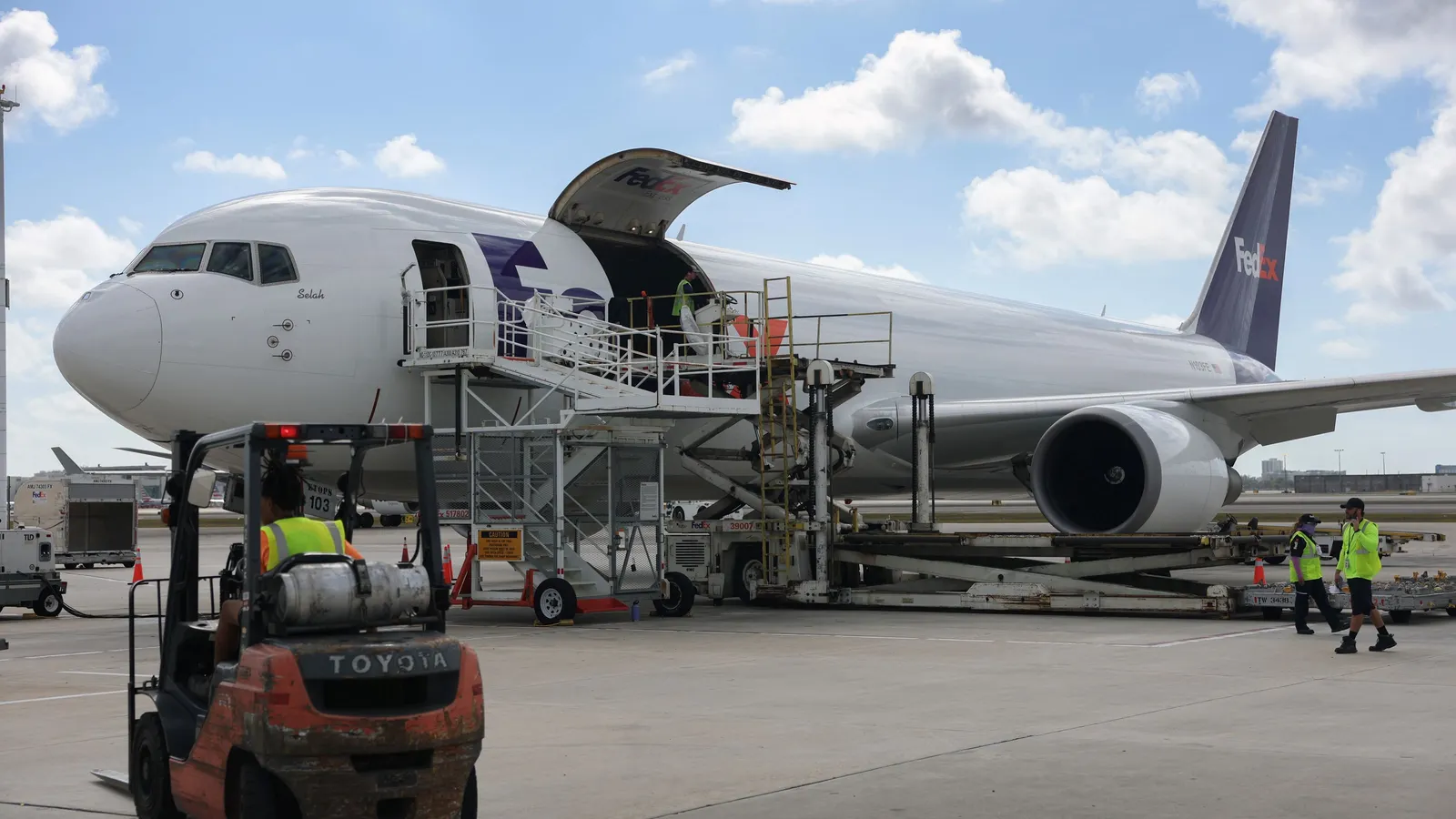
Contrary to expectations, cargo flights navigated these restrictions with little hiccup. Industry experts note that while passenger airlines felt a sharper impact, particularly regional carriers handling smaller aircraft, the backbone carriers for cargo maintained core hub-to-hub flights without significant disruption.
Smaller regional airlines such as SkyWest and Envoy saw cancellations that largely affected passenger services rather than freight, as their aircraft were not configured for substantial cargo loads. Meanwhile, major U.S. carriers efficiently safeguarded their large aircraft operations, crucial for the air freight network.
Proactive Measures by Freight Forwarders and Airlines
Freight forwarders and shippers anticipated potential issues and coordinated closely with airlines to reroute and adjust cargo deliveries. UPS, for example, monitored affected airports and adapted its logistics network to protect shipments. Notably, the FAA restrictions targeted flights during daytime hours—between 6 a.m. and 10 p.m.—but many cargo flights operate overnight, which remains outside this window, providing a natural buffer against disruption.
Zero Impact for Certain Cargo Networks
Companies like ClearJet, which leverages passenger aircraft capacity for package transport, reported no operational interruptions, maintaining normal schedules throughout. This reflects how different cargo carriers adapted based on their flight timings and network strategies.
Additional Challenges Faced by Air Cargo Recently
Despite the manageable effect of FAA traffic limitations, the air freight sector has not been free from challenges. Notable incidents, including a recent Boeing MD-11 crash operated by UPS in Louisville, Kentucky, led to parts of UPS and FedEx fleets being temporarily grounded, impacting shipment timelines and logistics chains.
Weather events, such as those around Delta’s Atlanta hub, also resulted in cancellations and delays, though these are typical of seasonal variations rather than policy changes.
FAA Traffic Cuts Impact Overview
| Aspecto | Impact on Cargo | Impact on Passenger Flights |
|---|---|---|
| Planned FAA Traffic Reduction | Reduced from 10% to 3% | Same scaled back mandate |
| Effect on Cargo Flights | Minimal due to network adjustments and overnight schedules | Greater cancellations noted, especially in regional carriers |
| Major Carrier Response | Maintained hub-to-hub flights and cargo backbone | Experiencing passenger flight cancellations |
| External Factors | Weather and safety incidents causing delays | Weather-related cancellations more noticeable |
Lo que esto significa para la logística y el transporte de mercancías
For the logistics sector, the FAA’s decision to rescind air traffic reductions removes a potential bottleneck, ensuring smoother flow for shipments reliant on air freight. The agility demonstrated by freight carriers in adapting to operational constraints highlights the importance of flexible routing and timing, factors crucial to maintaining reliable delivery services in today’s fast-paced supply chains.
Platforms like GetTransport.com play a vital role in connecting shippers with providers offering varied solutions — from palletized freight to bulky goods, vehicles, and house moves — all across global networks at competitive rates. The industry’s ability to weather airspace restrictions underscores the value of efficient and versatile transportation channels.
Principales conclusiones
- FAA traffic cuts have been completely lifted, returning passenger and cargo operations to normal.
- Air cargo experienced minimal disruption due to careful flight scheduling and adaptive network management.
- Passenger flights, especially smaller regional services, faced more cancellations than cargo flights.
- Weather and other operational challenges remain ongoing factors affecting air shipment reliability.
At the end of the day, the best insights come from personal experience rather than just reviews or feedback. On GetTransport.com, you can book your cargo transportation at some of the best prices worldwide, giving you the freedom to make well-informed decisions without blowing your logistics budget or facing unexpected delays. This platform offers unparalleled convenience with its wide selection of carriers, whether you’re moving offices, shipping bulky goods, or coordinating international freight shipments. Reserve su viaje en GetTransport.com and benefit from transparency and choice.
Looking Ahead: Logistics Industry Implications
Globally, this FAA update is not a game-changer but remains important for logistics players to monitor. Air traffic control and operational staffing issues can cascade into shipping delays or adjustments that ripple through international supply chains. As such, staying current with airspace developments helps freight forwarders and shippers plan proactively and mitigate risks.
GetTransport.com is committed to staying in step with industry changes to offer dependable and efficient freight and cargo dispatch solutions worldwide, helping businesses and individuals alike to keep goods moving seamlessly. Start planning your next delivery and secure your cargo with GetTransport.com.
Resumen
The FAA’s lifting of air traffic restrictions marks a return to steady flight operations in the United States, importantly preserving the integrity of air cargo flows despite earlier fears of disruption. Major carriers and logistics providers demonstrated smart adaptations that shielded freight from meaningful delays, while passenger services, particularly regional networks, took the brunt of flight cancellations. Recent unrelated incidents and weather challenges continue to remind the logistics world of the many variables affecting air shipment reliability. Platforms like GetTransport.com prove essential in this landscape, offering versatile, cost-effective transportation options that simplify international and domestic cargo delivery. By leveraging these resources, businesses can ensure their shipments remain on track and their logistics chains resilient in the face of evolving conditions.