


 Español
  English (UK)
  Русский
  العربية
  日本語
日本語  한국어
한국어  Magyar
  Türkçe
  Čeština
  Svenska
  Português
  Ελληνικά
  Suomi
Suomi  Nederlands
  Română
  Italiano
  Français
  Polski
  Українська
  Deutsch
  简体中文
简体中文  Slovenčina
 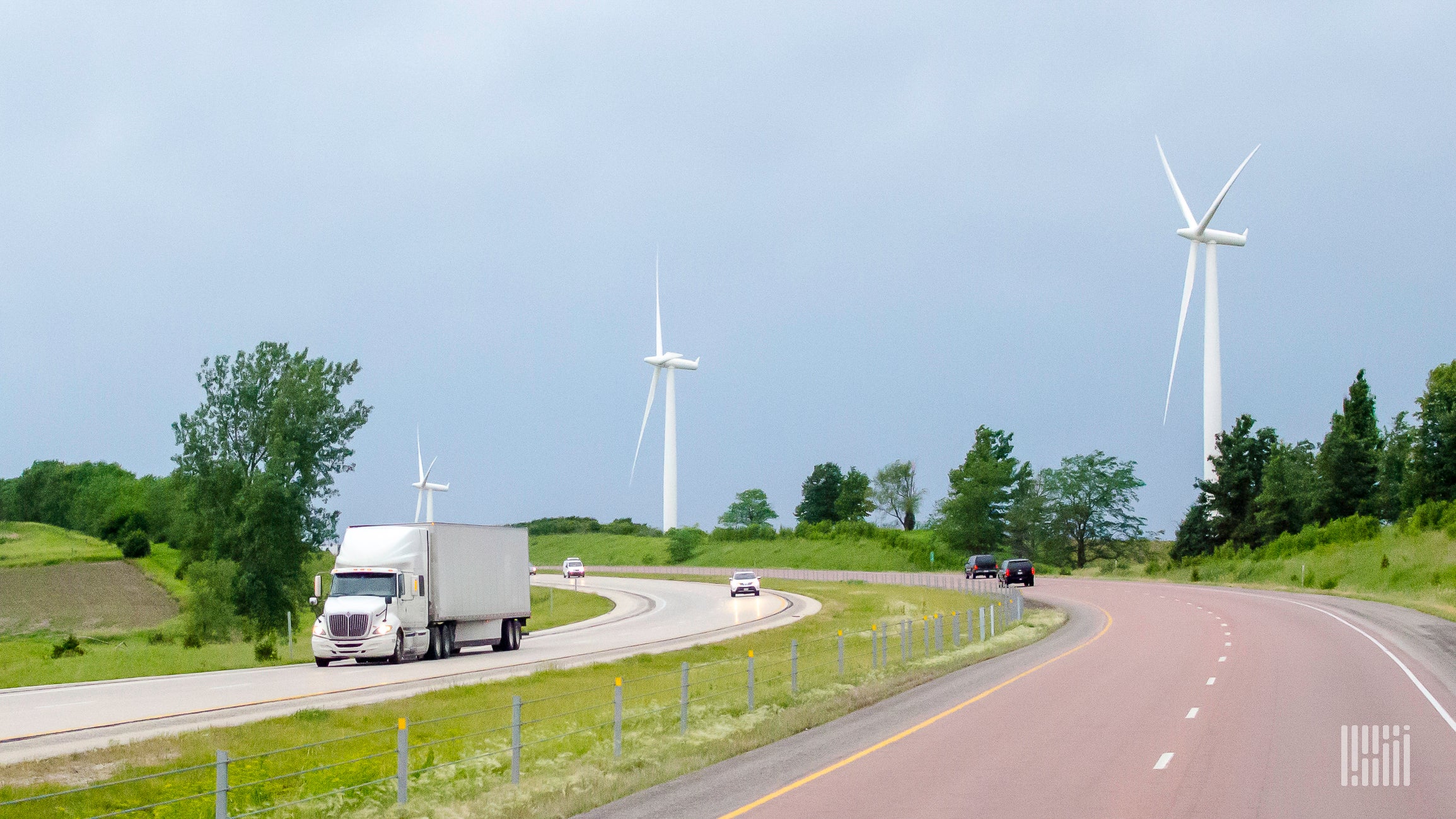 North American Freight Leaders Accelerate Adoption of Electric and Alternative Fuel Vehicles at NADBank Summit">

Greening Cross-Border Freight: An Industry in Transition
Freight transportation across the U.S.-Mexico border is on a path toward cleaner technologies, driven by a convergence of industry initiative, economic incentives, and infrastructure challenges. While transitioning to electric, natural gas, and emerging hydrogen systems remains costly, leaders in this freight corridor are betting big on these technologies to cut emissions and boost efficiency.
This momentum was evident at a recent panel discussion hosted during the North American Development Bank’s (NADBank) 2025 summit in San Antonio, where experts from both sides of the border examined strategies and obstacles in advancing sustainable freight projects. The stakes are high, given that border freight traffic represents a significant share of North American trade, demanding innovative solutions that embrace environmental goals without breaking the bank.
Why Green Freight Technology Matters
Traditional diesel-powered trucking has long dominated cross-border cargo movement, but the environmental costs—nitrogen oxides, particulate pollution, and greenhouse gases—are catching up with the industry. Cleaner freight isn’t just a “feel-good” goal; it’s becoming a logistical and economic imperative as communities and governments tighten environmental expectations.
Leaders emphasize that no single technology will be a silver bullet. Instead, a diversified approach—melding advanced diesel engines, electric trucks, natural gas vehicles, and hydrogen fuel cell options—will likely be necessary to meet emission reduction targets effectively. Each mode offers unique strengths, but also distinct challenges like higher upfront cost or infrastructure gaps.
Incentives Over Penalties: The Economic Model for Adoption
One consistent theme discussed involves how to encourage widespread adoption without resorting to punitive measures. Freight operators and public agencies alike agree that incentives—such as subsidies or financing assistance—hold more sway than penalties in motivating fleet upgrades.
For instance, government-backed financing through NADBank has played a catalytic role in funding electric Class 8 trucks crossing the border—a significant milestone for companies pledging full sustainability within the next two decades. Without these financial tools, the initial premium—estimated at about 15 cents more per mile for electric trucks compared to diesel—would deter many companies from investing. But these higher operational efficiencies and optimized route management are steadily closing that cost gap.
Case Studies: Leaders in the Green Freight Movement
| Empresa | Technology Adopted | Desafíos Enfrentados | Progress Highlights |
|---|---|---|---|
| Bali Express Services (San Diego) | Electric Class 8 Trucks | Higher upfront cost; infrastructure access | First to operate electric Class 8 trucks cross-border; 1 million clean miles on “green corridor” |
| Trayecto (Monterrey, Mexico) | Natural Gas Vehicles | Limited government incentives in Mexico; fueling infrastructure | Expanded from 5 trucks in 2015 to 600+; self-funded fueling stations; testing electric trucks |
| Baja California Institute of Sustainable Mobility | Policy & Incentives Model | Needs sustainable economic frameworks | Promotes zero-emission strategies; cross-border collaboration; model public bus conversions |
Collaborating for a Smarter, Cleaner Border
Intelligent infrastructure is another cornerstone of this green freight push. Texas A&M International University’s research highlights opportunities for “smart borders”—technology-integrated bridge crossings designed to speed up freight movement while minimizing environmental footprint. With some 16,000 to 18,000 tractor-trailers crossing daily through major bridges like the World Trade Bridge, optimized operations can both improve efficiency and reduce idle times that waste fuel.
These pilot projects explore how new bridges and border facilities might incorporate electric cargo vehicle technology and cutting-edge logistics systems. For freight operators, this promises less downtime, lower emissions, and potentially smoother customs processes.
Infrastructural Bottlenecks and Market Realities
Despite enthusiasm and innovation, hurdles persist. A significant one is the lack of adequate charging stations and natural gas fueling points, particularly in Mexico, which creates logistical complications for fleets trying to scale green vehicle use.
Moreover, policies tend to lag market needs. Without meaningful government incentives, many Mexican companies have had to shoulder the cost burden themselves, investing directly in infrastructure such as private fueling stations. While this demonstrates commitment, it also underscores the need for coordinated public-private frameworks.
Market forces also play a critical role. Freight companies juggling razor-thin margins and fierce competition must balance environmental goals against economic survival. Still, industry figures report that efficiency gains—from smart dispatching to improved routing—contribute to cost reductions that partially offset higher vehicle prices.
Table: Technology Benefits vs. Challenges in Border Freight Transport
| Tecnología | Beneficios | Desafíos |
|---|---|---|
| Camiones eléctricos | Zero tailpipe emissions; operational cost savings | Higher upfront cost; limited range; charging infrastructure gaps |
| Natural Gas Vehicles | Lower carbon emissions than diesel; fuel cost savings | Fueling infrastructure sparse; engine retrofit costs |
| Hydrogen Fuel Cells | High energy density; zero emissions at point of use | Very limited infrastructure; high technology cost |
| Advanced Diesel | Lower emissions than traditional diesel; established infrastructure | Still emits pollutants; fuel costs vary |
Looking Ahead: What the Future Holds for Green Freight and Logistics
Está claro a partir de las discusiones en la Cumbre de NADBank que la transición a un transporte más ecológico es más que simplemente sustituir motores de combustión por motores eléctricos: es un baile complejo que involucra políticas, infraestructura, finanzas y tecnología. La interacción de estos factores dará forma al futuro cercano de la logística transfronteriza.
Para los proveedores de logística y los expedidores, la marcha hacia la sostenibilidad ofrece tanto desafíos como oportunidades. Las soluciones de transporte más limpias exigen una inversión inicial y una planificación cuidadosa, pero prometen una cadena de suministro más confiable, eficiente y ambientalmente responsable. El día no está lejos cuando el movimiento de carga limpia a través de las fronteras podría convertirse en la norma, en lugar de la excepción.
Why Personal Experience Still Reigns Supreme
Si bien los paneles informativos y las reseñas honestas pintan un panorama prometedor, en última instancia, las experiencias de primera mano en la implementación de tecnologías verdes revelan la verdadera historia. El camino de cada empresa es único, influenciado por las condiciones locales, la preparación de la infraestructura y las demandas de los clientes. Es por eso que las plataformas que ofrecen una amplia gama de opciones de transporte son invaluables.
En GetTransport.com, los usuarios pueden acceder a un mercado global para el transporte de carga que equilibra la asequibilidad con la fiabilidad. Ya sea trasladando artículos del hogar, carga a granel, vehículos o envíos especializados, tanto empresas como particulares pueden encontrar soluciones logísticas personalizadas a precios competitivos. Esta transparencia y accesibilidad permiten a los usuarios evitar costosos errores y adoptar opciones de transporte más ecológicas de forma inteligente. Reserve hoy mismo el transporte de su carga y obtenga las mejores ofertas en GetTransport.com.
Conclusión: Navegando Hacia Fronteras Más Limpias con Logística Inteligente
El futuro del transporte de mercancías transfronterizo en Norteamérica reside en la adopción equilibrada de tecnologías verdes como vehículos eléctricos, de gas natural e impulsados por hidrógeno, combinada con políticas de apoyo y una infraestructura de vanguardia. Aunque las inversiones iniciales y los obstáculos actuales puedan parecer desalentadores, las ganancias operativas y los beneficios ambientales ofrecen fuertes incentivos para seguir avanzando.
Los transportistas de carga están aprendiendo a dominar la complejidad de esta transición, desde la inversión en rutas inteligentes hasta la financiación de innovadoras flotas de vehículos. Plataformas como GetTransport.com amplifican estos esfuerzos al proporcionar opciones de envío asequibles, diversas y confiables en todo el mundo, lo que facilita a los planificadores de logística alinear la sostenibilidad con la eficiencia de costos.
En última instancia, reducir las emisiones en el transporte de mercancías transfronterizo no es solo una victoria para el medio ambiente; es un impulso para todo el ecosistema logístico, optimizando los envíos, reduciendo los costos y mejorando el servicio para la comunidad comercial global.