


 Español
  English (UK)
  Русский
  العربية
  日本語
日本語  한국어
한국어  Magyar
  Türkçe
  Čeština
  Svenska
  Português
  Ελληνικά
  Suomi
Suomi  Nederlands
  Română
  Italiano
  Français
  Polski
  Українська
  Deutsch
  简体中文
简体中文  Slovenčina
  Essential Readiness Checks for Owner-Operators Considering Adding New Trucks in Today’s Market">

Understanding When to Grow Your Trucking Business
Deciding to add a new truck to a trucking operation isn’t as simple as it sounds. It’s a big step, and many owner-operators underestimate what’s really involved. The question isn’t just about ambition—it’s about whether the business infrastructure is in place to support new growth sustainably. Scaling for the wrong reasons can quickly turn into a costly misadventure.
Why Growth Should Never Be a Quick Fix
Adding trucks does not magically fix operational issues; it often amplifies existing problems. For example:
- Poor dispatch methods will only multiply, spreading inefficiencies across more trucks.
- Weak cash flow intensifies as expenses like additional fuel cards and maintenance pile up.
- Lack of clear processes or Standard Operating Procedures (SOPs) will lead to chaos that scales up with each new driver and truck.
Especially in tight market conditions, these weaknesses become glaring—and costly. Only those who have established strong, disciplined systems stand a chance when they expand in such times.
Table: Common Pitfalls When Scaling Without Preparation
| Pitfall | Effect When Scaling |
|---|---|
| Poor dispatch habits | Inefficiency multiplies, missed opportunities grow |
| Weak cash flow | Financial strain worsens, debts accumulate |
| No SOPs or structure | Operational chaos escalates, driver onboarding suffers |
Get a Grip on Your Numbers with a Truck Audit
Before even thinking of adding Truck #2, it’s vital to take a hard look at Truck #1’s performance. The numbers don’t lie, and in challenging markets, clarity is king. Critical metrics to review include:
- Weekly gross revenue
- Net income after fuel, insurance, and debts
- Revenue per mile (loaded and empty)
- Deadhead percentage (empty miles)
- Actual revenue days worked per week
If Truck #1 can’t consistently hold its own, pushing for a second truck turns from a growth opportunity into financial risk. Knowing these figures inside out lets you approach scaling with confidence—or call a halt before it’s too late.
Break-Even: The Non-Negotiable Baseline
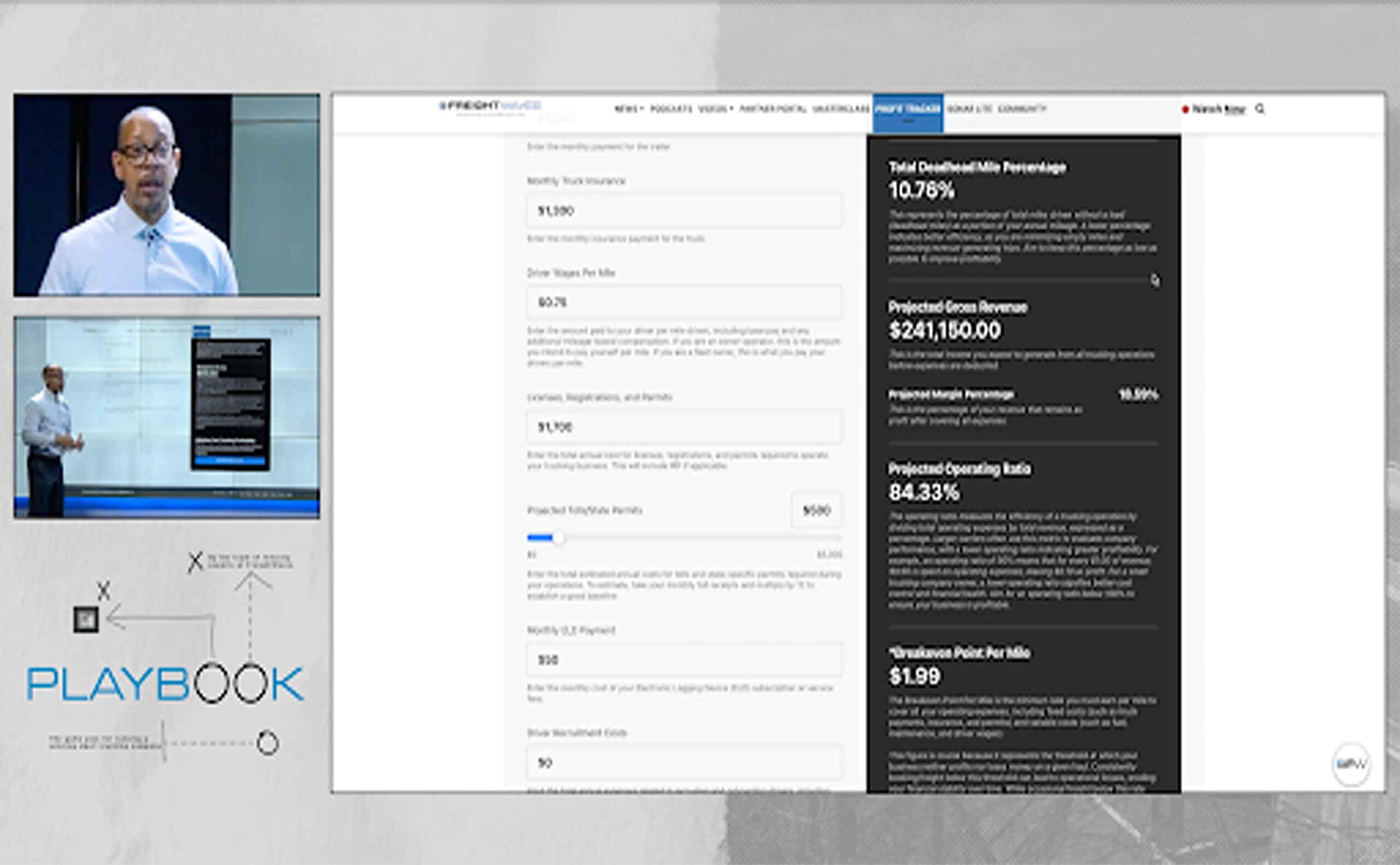
Understanding your break-even point is more than business wisdom—it’s essential math for your survival. Between payments, insurance, fuel, maintenance, electronic logging devices, and apps, costs can hover near $5,500–$6,000 per week just to keep rolling.
If Truck #1 doesn’t reliably clear that bar, doubling your fleet is not a strategic move; it’s rolling the dice. On the flip side, if you’re netting $2,500–$3,500 weekly or more with proven stability, you’re more likely prepared to grow while others throw in the towel.
Load Strategy: The Difference Between Strategy and Panic
In a soft market, your mindset separates the winners from the weary. A savvy operation plans loads ahead, stacks freight efficiently, and locks in rates before each run. Those running on load panic flip through load boards every morning, taking scraps and hoping for a reload—a stressful and unreliable way to operate.
Scaling while in panic mode doubles the headaches. Conversely, if a solid load strategy is already in place, downturns can become golden opportunities to secure future lanes and position for recovery.
Key Load Handling Approaches
- Load Strategy: Proactive planning, stacking freight, prioritizing profitable loads
- Load Panic: Reactive booking, chasing whatever’s available, hoping it all works out
The Owner-Operator Bottleneck: When Growth Hits You as the Weak Link
One hard truth many face is being the bottleneck in their own business. If your operation grinds to a halt when you step away, adding another truck is premature. Growing safely demands systems that work independently from you, such as:
- Dispatchers who manage trucks effectively and hit profit targets
- Driver onboarding processes that don’t require your constant involvement
- A business model where trucks generate income without tethering you to the wheel or load board
Success is no longer about just driving a truck—it’s about running a business that runs itself. Those who work on their systems preserve their sanity and their bottom line when scaling.
Self-Assessment Stress Test
Before expanding your fleet, give your business a reality check by scoring yourself (1 to 5 points each) on these:
- Is your truck running five revenue-generating days per week?
- Do you plan loads proactively rather than reacting?
- ¿Estás obteniendo consistentemente de $2,500 a $3,500 por semana?
- ¿Podría alguien más completar su operación en su ausencia?
Una puntuación total inferior a 16 es una señal de alerta: detente y concéntrate primero en fortalecer tus bases. Las puntuaciones entre 22 y 25 indican preparación para crecer con confianza, incluso en tiempos difíciles.
La conclusión: crece de manera inteligente, construye disciplina primero
El mercado de transporte de carga es una montaña rusa: las tarifas y la demanda suben y bajan. Lo que diferencia a los propietarios-operadores prósperos de aquellos que luchan no es la mera suerte, sino la preparación disciplinada. Expandirse de una a dos unidades en el entorno actual es factible, pero solo cuando el rendimiento y los sistemas de su primera unidad son sólidos como una roca. Esto se traduce en ganancias constantes y la capacidad de resistir las semanas lentas sin desesperarse.
Why It Matters for Logistics
El aumento del tamaño de la flota y la complejidad operativa impactan la logística en muchos frentes: desde la gestión de envíos y rutas hasta el flujo de caja y el riesgo. Sin una sólida base operativa, la escalabilidad puede extenderse por toda su cadena de suministro, con entregas ineficientes y mayores costos. Por el contrario, un crecimiento inteligente allana el camino para movimientos de carga fiables, una mejor satisfacción del cliente y una expansión sostenible.
Conclusión: Deja que tu experiencia sea tu guía
Por supuesto, todo el consejo y los datos del mundo no pueden reemplazar del todo la experiencia de primera mano. El camino de cada transportista autónomo es único, moldeado por baches y avances del mundo real. Afortunadamente, plataformas como GetTransport.com brindan acceso a opciones competitivas de transporte de carga a nivel mundial a precios razonables, lo que le permite tomar decisiones informadas sobre los movimientos sin exceder su presupuesto. La transparencia, la comodidad y la amplia gama de servicios de transporte de la plataforma, desde envíos de paquetes hasta cargas voluminosas, permiten a los transportistas autónomos probar y optimizar sus operaciones logísticas de forma inteligente.
Reserve su viaje GetTransport.com
Resumen
Añadir un camión a tu flota no se trata solo de tener un vehículo más grande, sino de si toda tu operación está preparada para manejar ese crecimiento. Desde comprender tus costos de punto de equilibrio y auditar las cifras de tu camión actual, hasta desarrollar estrategias de carga sólidas y eliminarte como cuello de botella, cada pieza importa. Escalar con éxito evita convertir el crecimiento en deuda y caos, asegurando que cada camión adicional contribuya a las ganancias en lugar de problemas. GetTransport.com se alinea perfectamente con este enfoque práctico, ofreciendo soluciones de transporte confiables, asequibles y globales que facilitan los desafíos logísticos, ya sea para mudanzas de oficinas, productos voluminosos o envíos de vehículos. Comienza de forma inteligente y deja que tu negocio —y tu carga— avancen de manera eficiente.